
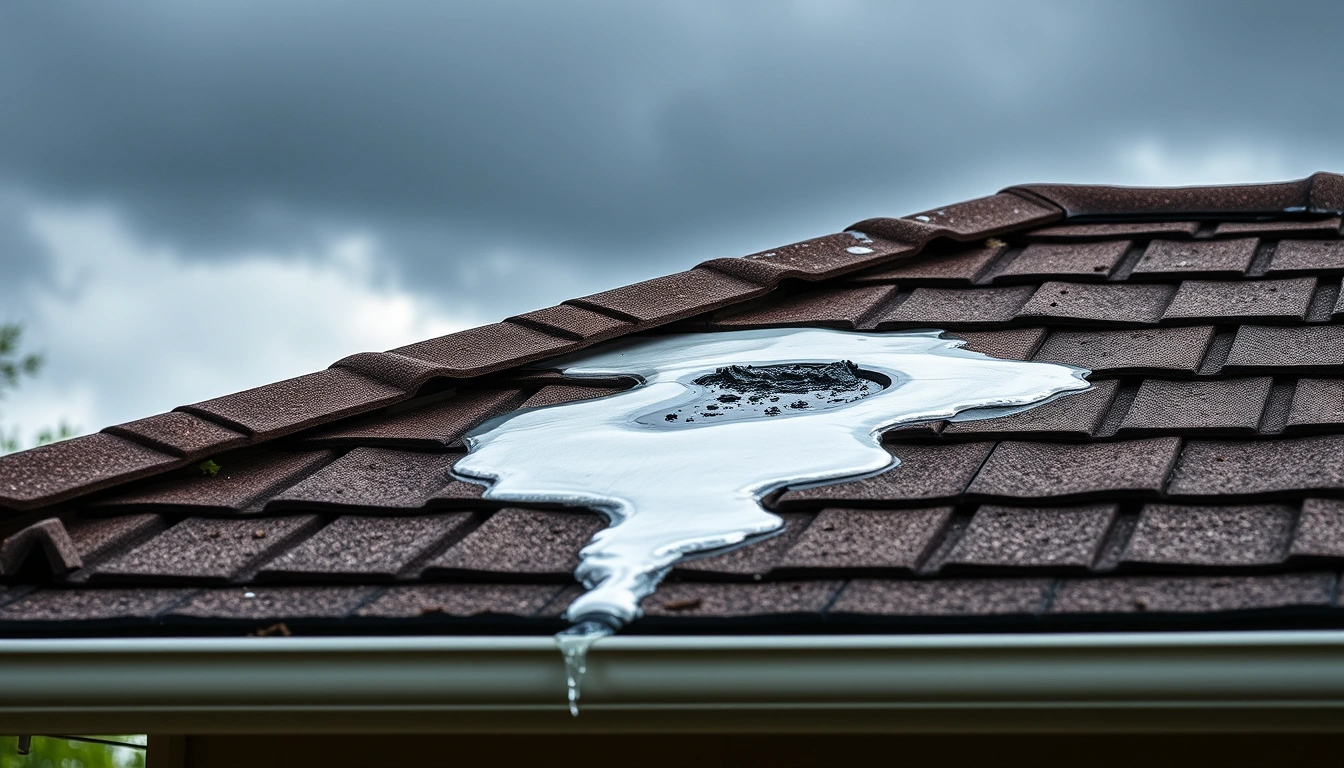
roof leak after storm Boise: What to Do First, Fast
⏱️ 8 min read · Last updated: 2026
- Emergency response time in Boise is commonly same-day, and for active leak situations it is often 1–4 hours during business hours.
- Typical storm leak repair cost range is about $300–$1,500 for localized fixes, while tarping and temporary stabilization may add $150–$600.
- Water damage can escalate fast: drywall can swell within 24–48 hours, and mold risk rises when wet materials stay damp for 24–48 hours.
- For insurance, documentation is strongest when photos are taken before cleanup, then again after emergency tarping and before permanent repair.
- Most Boise storm leak decisions come down to claim or repair: if damage is isolated and under a deductible, repair is often faster; if multiple slopes or interior staining are involved, claim review is usually smarter.
A roof leak after storm Boise is one of those problems that looks small until the ceiling starts bowing. The first move is not a bucket; it is finding the source, limiting the spread, and getting the roof covered if the leak is still active.
I have seen a “tiny” post storm leak turn into a $2,400 interior repair because the attic insulation stayed wet overnight. That is why the first hour matters more than the invoice. If you are already searching claim or repair, you need a decision path, not a pep talk.
Boise storms often leave a messy mix of hail bruising, lifted shingles, and wind-driven water entry, and the visible stain inside is not always the real entry point above. The trick is to separate emergency control from permanent repair before more water damage piles up.
How a storm roof leak actually works
A storm roof leak usually starts above the stain, not below it. Wind lifts shingles, hail cracks seals, and water follows the weakest path until it appears in a ceiling corner, around a vent, or down a wall.
The visible drip is the last stop, not the first failure. On Boise homes, the most common path I see after a storm is lifted edge shingles, damaged flashing, or a puncture around penetrations like vents and skylights.
The key here is the entry path — notice how water can travel several feet before it shows inside. That is what separates a correct inspection from a guess based only on the stain.
One active leak can hide multiple entry points, and the cheapest repair is the one that finds the real opening before the next storm.
| Visible sign | Likely roof problem | What it means |
|---|---|---|
| Brown ring on ceiling | Slow seep at flashing or shingle edge | Often repairable without major tear-off |
| Drip near vent or bath fan | Penetration seal failure | May need new flashing or sealant work |
| Wet wall after wind-driven storm | Lateral water entry under shingles | Check underlayment and edge metal |
For general storm triage, Boise homeowners can also use this storm damage roof repair Boise resource to match visible damage with the kind of roof work it usually needs.
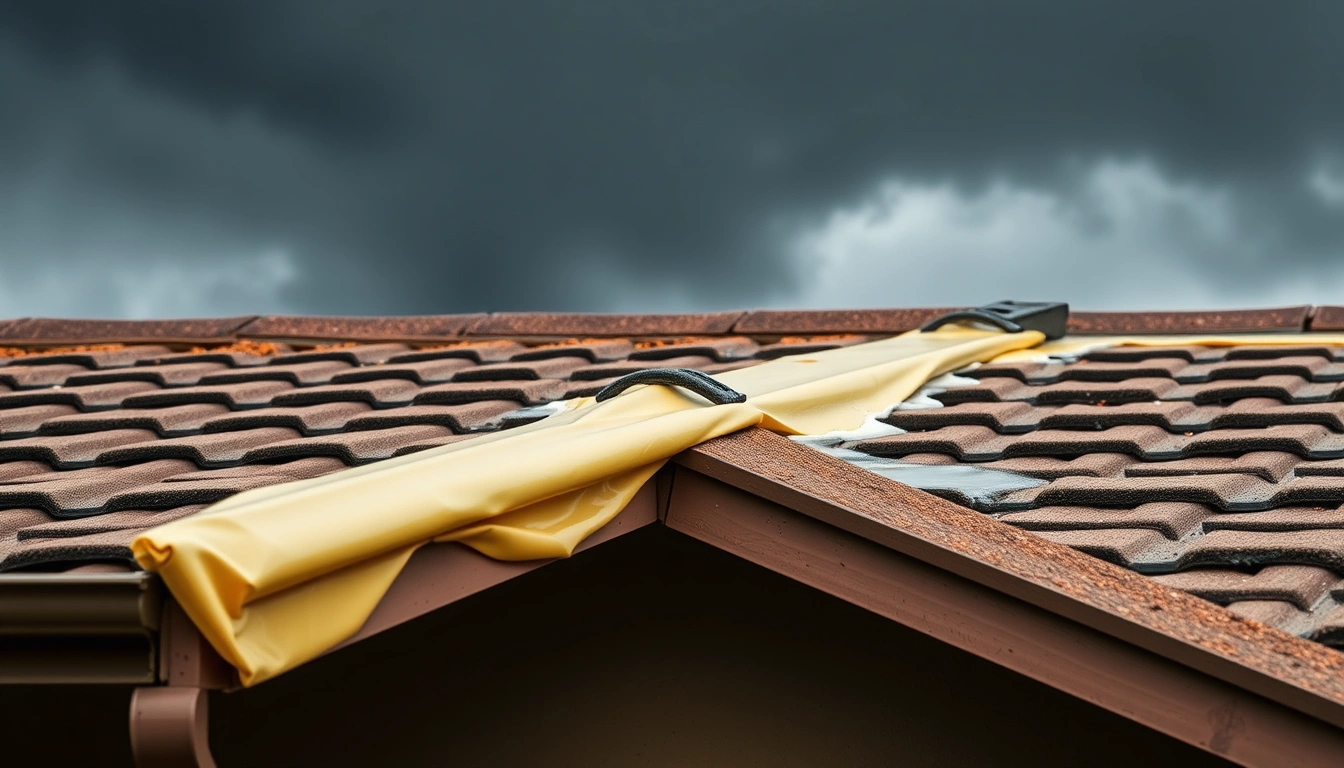
My roof started leaking after the Boise storm — what should I do?
Start with containment, then documentation, then roof access if it is safe. If the leak is active, put a bucket under the drip, move valuables, and photograph everything before cleanup.
That order matters because cleanup changes the evidence. Insurance adjusters and roofers both need to see the original wet area, the damaged materials, and the exterior conditions after the storm.
- Move furniture, electronics, and rugs out of the wet zone. Check the floor for spreading water, and do not drag soaked items across carpet.
- Place a bucket or pan under the drip. Check that it will not overflow, and do not punch a hole in the ceiling unless the drywall is bulging and you are controlling a controlled drain.
- Take wide photos of the room, then close-ups of the stain, drip source, and any ceiling sag. Do not wipe, scrub, or cut anything yet.
- Go into the attic only if it is safe and dry enough to walk. Look for wet insulation, dark wood, nail tips with moisture, or daylight through the roof deck.
- Check the roof from the ground for lifted shingles, missing shingles, or bent metal. Do not climb onto a slick roof during or immediately after the storm.
- Call for inspection and ask whether emergency tarping is needed. If water is still entering, treat it as an active leak, not a cosmetic stain.
- Save receipts for tarps, fans, dehumidifiers, and emergency materials. Those records matter if you later choose claim or repair.
For true emergencies, a local crew that handles emergency roof repair Boise work can usually stabilize the problem the same day when access and weather allow.
The first 24 hours are the highest-value window because dry-out work is still cheap then. Once drywall sags or insulation stays wet, the repair shifts from roof-only to roof plus interior.
Should I file a claim or just repair a small storm leak in Boise?
File a claim when the damage is likely above your deductible, affects multiple roof areas, or includes interior water damage. Repair first when the leak is isolated, the fix is straightforward, and the expected total is clearly below your deductible.
This is the decision path most articles skip, and it is the one that saves the most money or the most time. A single torn shingle patch is usually a repair. Hail damage across a slope, or a leak with soaked drywall and insulation, is usually worth claim review.
| Situation | Best first move | Why |
|---|---|---|
| One small leak, no interior staining | Repair | Usually faster and cheaper than filing |
| Multiple stains or recurring leaks | Claim review | Suggests broader storm damage |
| Visible hail bruising plus leak | Inspection and likely claim | Roof surface and seals may both be compromised |
| Wet attic insulation or ceiling sag | Emergency tarping, then claim review | Water damage can grow fast and become costly |
For hail-specific roof issues, the pattern often overlaps with storm leaks, so a separate inspection for hail damage roof repair Boise is worth it if the storm included hail and wind in the same event.
A practical rule: if the combined roof and interior repair is likely near or above your deductible, ask for a documented inspection before you decide. If the estimate is clearly under the deductible, repairing it directly is often the cleaner move in 2026.
If the leak is isolated and the estimate stays below your deductible, repair is usually the faster and less stressful path; if the damage spreads across more than one slope, claim review becomes the smarter first step.
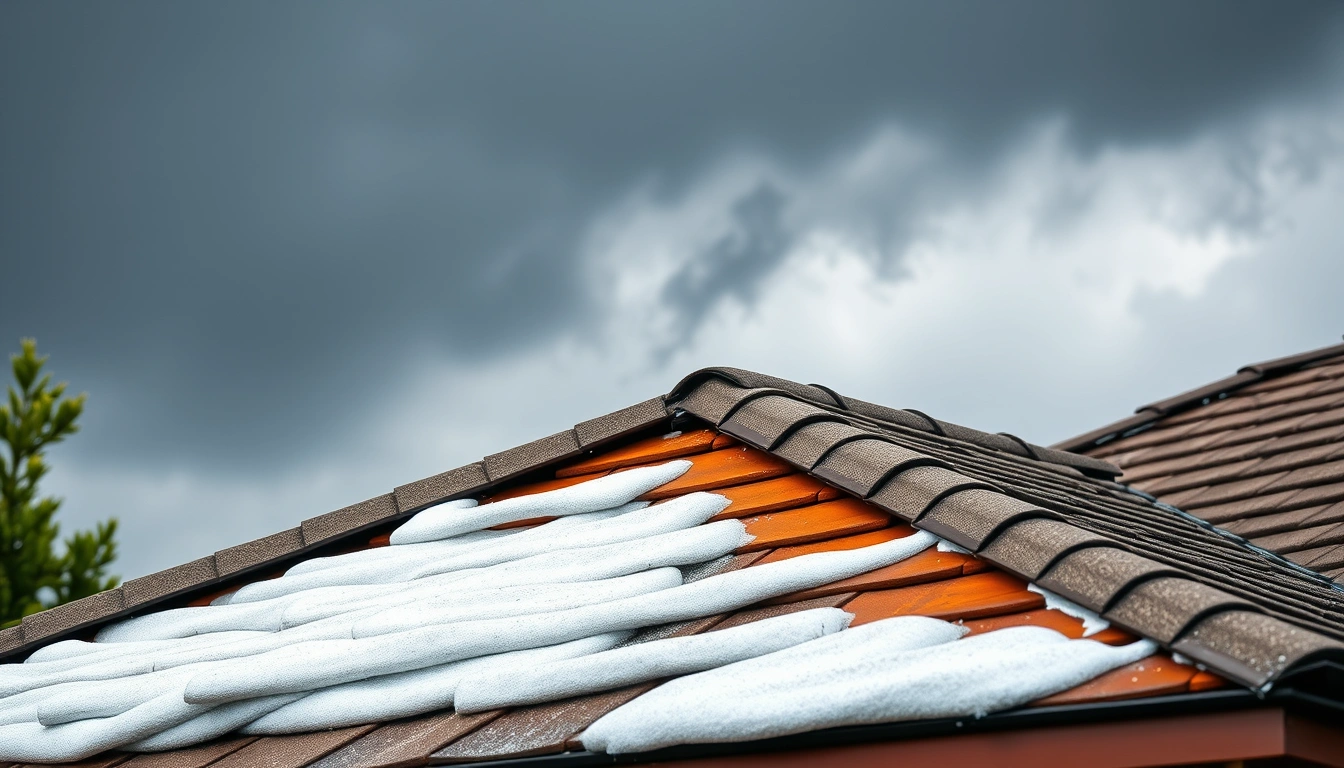
How tarping actually works when the roof is still leaking
Emergency tarping is a temporary weather seal, not a repair. The job is to stop more storm water damage long enough to dry the house, inspect the roof, and plan permanent work.
A good tarp job covers the damaged area, extends well past the opening, and is secured so wind cannot peel it back up. A bad tarp job traps water, tears in the next gust, or leaves the leak path exposed at the edges.
- Measure the damaged zone and the surrounding slope. Check that the tarp extends at least several feet past the visible problem, and do not size it to the stain alone.
- Clear loose debris from the surface. Check for sharp broken shingles or nails, and do not drag the tarp across torn metal or jagged edges.
- Lay the tarp from the ridge downward when possible. Check that water sheds over the lower edge, and do not leave uphill folds that can trap runoff.
- Fasten the tarp with battens, screws, or sandbag-style anchoring as appropriate. Check for tight edges, and do not use random short nails that can tear free in wind.
- Inspect the perimeter for gaps. Check corners, vent cuts, and roof transitions, and do not assume the center coverage is enough.
- Recheck after the next wind event or heavy rain. Check for lifted edges, and do not leave a temporary tarp untouched for weeks.
The repair window after tarping is usually measured in days, not weeks. If the tarp is covering a bad tear or puncture, schedule the permanent fix as soon as the roof is dry enough to work.
| Tarp detail | Good | Bad |
|---|---|---|
| Coverage | Extends beyond the damaged area | Stops at the visible stain |
| Edges | Anchored and tensioned | Loose, fluttering, or folded |
| Drainage | Water sheds off the slope | Water pools in low spots |
Before vs. after: what good storm leak repair actually looks like
Good storm leak repair ends with a dry, sealed roof and a documented interior dry-out plan. Bad repair ends with a patched stain, a hidden leak path, and another call after the next rain.
The difference is visible if you know what to look for. Good work lines up the roof surface, flashing, and underlayment so water has a clear path off the roof, not into the attic.
What you should see after a proper repair
- Shingles that sit flat and match the surrounding course.
- Flashing that is tucked, sealed, and not bent outward.
- No soft spots when the contractor tests the roof deck.
- Dry attic insulation, or a clear dry-out plan if materials were soaked.
- Interior stain edges that stop spreading after the roof is fixed and the space dries.
What usually means the job was rushed
- Visible sealant blobs covering a mystery leak.
- Mixed shingles with no explanation of what was replaced.
- No attic check after the storm.
- Untracked moisture in insulation or ceiling cavity.
- No photos, no measurements, and no record for claim or repair decisions.
Boise homeowners who want a standard repair path, without the emergency layer, can compare it with roof repair Boise service details once the roof is dry enough for a permanent fix.
The honest lesson here is simple: I have seen repairs fail because the roof was fixed from the outside only. If the attic stayed wet, the “finished” roof was not finished.
How fast do I need to fix a storm roof leak in Idaho?
You should fix an active storm roof leak the same day if water is still entering the home. If the leak has stopped but left a wet ceiling or attic, the safe window for dry-out is usually 24 to 48 hours before damage escalates.
That does not mean every roof needs a full replacement that fast. It means the problem needs to be stabilized fast enough to stop water damage, then scheduled for permanent repair once the roof can be safely accessed.
Here is the practical timeline I use:
- First 0–6 hours: Stop the drip, protect belongings, and document the damage.
- Same day: Get a roof inspection and ask if tarping is needed.
- Within 24 hours: Remove standing interior water and start dry-out.
- Within 24–48 hours: Recheck wet materials, because this is where swelling and odor begin.
- Within a few days: Complete permanent roof repair if weather and access allow.
- Within 1–2 weeks: Finish any interior repair tied to water damage, once moisture readings are stable.
The repair clock starts when water enters the home, not when you get around to calling someone.
The detail everyone gets wrong
The biggest mistake is treating the ceiling stain as the problem instead of the roof entry point. That mistake leads to patching the wrong spot, skipping the attic, and missing hidden water damage.
The second mistake is choosing claim or repair before the roof has been documented. You do not need a full insurance debate in the first ten minutes, but you do need photos, a roof inspection, and a rough number.
One more lesson from experience: homeowners often wait to see whether the stain dries out before acting. That feels cautious. It is usually expensive.
A better approach is simple. Stabilize first, document second, decide claim or repair third, and then make the permanent fix once the roof is dry and the source is confirmed.
Common Questions About roof leak after storm Boise
What should I do first when my roof leaks after a Boise storm?
Put something under the drip, move valuables, and take photos before cleanup. Then check the attic if it is safe and call for inspection the same day if the leak is active. In Boise, the fastest way to limit water damage is usually tarping and dry-out within 24 hours.
How to document storm roof damage for a claim step by step?
Take wide photos of the house, then close-ups of shingles, flashing, ceiling stains, and any wet insulation. Save timestamps, receipts, and notes about when the storm hit. Do not clean up first. Clear documentation helps if you later choose claim or repair.
Repair now vs wait for the adjuster — which is smarter?
If water is still coming in, stabilize the roof first with tarping or emergency repair. Waiting for an adjuster while the home keeps leaking can create more water damage and a larger claim. If the leak is already controlled, document everything before making permanent repairs.
Why does my roof only leak after heavy storms and how to fix it?
Heavy storms drive water under lifted shingles, loose flashing, or weak seal points that do not fail in light rain. The fix is usually not just sealant. It often requires replacing damaged shingles, repairing flashing, and checking the attic for hidden wet spots.
How much does emergency storm leak repair cost in Boise?
A small emergency storm leak repair in Boise commonly falls in the $300–$1,500 range, while tarping or temporary stabilization may add $150–$600. Interior water damage can cost more if drywall, insulation, or flooring needs dry-out and replacement.
How fast do I need to fix a storm roof leak in Idaho?
Fix an active leak the same day if possible. Dry materials within 24 to 48 hours whenever you can, because that is when swelling, odors, and mold risk start to become more likely. Temporary protection first, permanent repair next.
- An active roof leak after storm Boise needs same-day stabilization, not waiting.
- Use tarping to stop new water entry, then document everything before cleanup.
- If the repair looks isolated and below your deductible, repair is usually faster; if damage spreads, claim review is smarter.
- Water damage can escalate in 24 to 48 hours, so timing matters more than perfect certainty.
The Bottom Line
A roof leak after storm Boise is not a “watch and wait” problem when water is still moving. Stop the leak, document the damage, and make the claim or repair decision after you know how far the water reached. If the roof is actively leaking or the ceiling is sagging, treat it as urgent today, not next weekend.
Pick one thing from this article and try it this week — not all of it, just one. Start with the attic check and photos, or call for emergency tarping if the leak is still active. If you want the bigger picture on storm and hail recovery, return to the Storm & Hail Roof Damage in Boise: Repair, Insurance & Prevention pillar.
See also: storm damage roof repair Boise
See also: hail damage roof repair Boise
See also: emergency roof repair Boise
Related: shingle blow off repair
Related: roof insurance claim Boise
Related: free roof inspection Boise
Leave a Reply