
storm damage roof repair Boise: Costs, Claims, and What to Do
⏱️ 14 min read · Last updated: 2026
- Average storm and hail roof repair cost: just over $12,000 nationally, with most projects between $2,600 and $23,000, per AAA Connect (2026).
- Full roof replacement after hail or storm damage averages $9,400, and labor runs $35–$200 per hour per worker, per Angi (2026).
- Boise saw a June 26, 2024 hailstorm with stones as large as 2.75 inches and an August 2025 storm that affected over 300 properties in one afternoon.
- Thunderstorm outflow winds in the Boise metro area have produced gusts of 61–72 mph, which is enough to lift shingles and loosen flashing.
- Typical homeowners deductible range for wind and hail claims is often $1,000–$2,500, but some policies use percentage deductibles in storm-prone areas.
A roof can look fine from the driveway and still be one hard Boise storm away from a leak. That is the part most homeowners miss when they search for storm damage roof repair Boise after the weather clears.
Source: www.acg.aaa.com
I have seen the same pattern repeat: a few lifted shingles, one bent piece of flashing, then water staining shows up after the next wind event. In Ada County, the cost of waiting is usually worse than the cost of the first inspection.
The hard part is not spotting damage. It is deciding when the damage is real enough to document, repair, and file an insurance claim roof without wasting time on a claim that will not help.
What does hail damage look like on a Boise roof?
Hail damage on a Boise roof usually shows up as bruised shingles, dark impact spots, dented metal, and knocked granules in gutters. The biggest clue is not a single hole. It is a pattern of small, fresh marks on one slope that match the storm direction.
On asphalt shingles, the key sign is a soft bruise that feels slightly spongy when pressed, plus missing granules that expose darker mat underneath. On metal roof parts, hail damage roof Boise often shows as round dents on vents, flashing, drip edge, and gutters before it is obvious on the shingles themselves.
One thing people miss: the first visible damage is often not the leak point. The leak usually starts where hail weakened a seam, cracked sealant, or loosened flashing around a chimney or skylight.
A roof can lose protective granules long before it leaks, and that is why hail damage is usually a documentation problem before it becomes a water problem.
What to look for by roof surface
| Roof part | Correct sign of damage | What it usually means |
|---|---|---|
| Asphalt shingles | Dark bruises, displaced granules, soft spots | Impact damage that may shorten shingle life |
| Metal vents | Round dents with fresh paint loss | Hail hit hard enough to mark exposed accessories |
| Flashing | Bent edges, split sealant, lifted corners | Possible entry point for wind-driven water |
| Gutters | New dents and granule buildup | Evidence the roof took the storm load |
If you want a local baseline, review Boise roof repair statistics before you compare your roof to a national average. Boise roofs do not fail in the same pattern as roofs in wetter coastal cities.
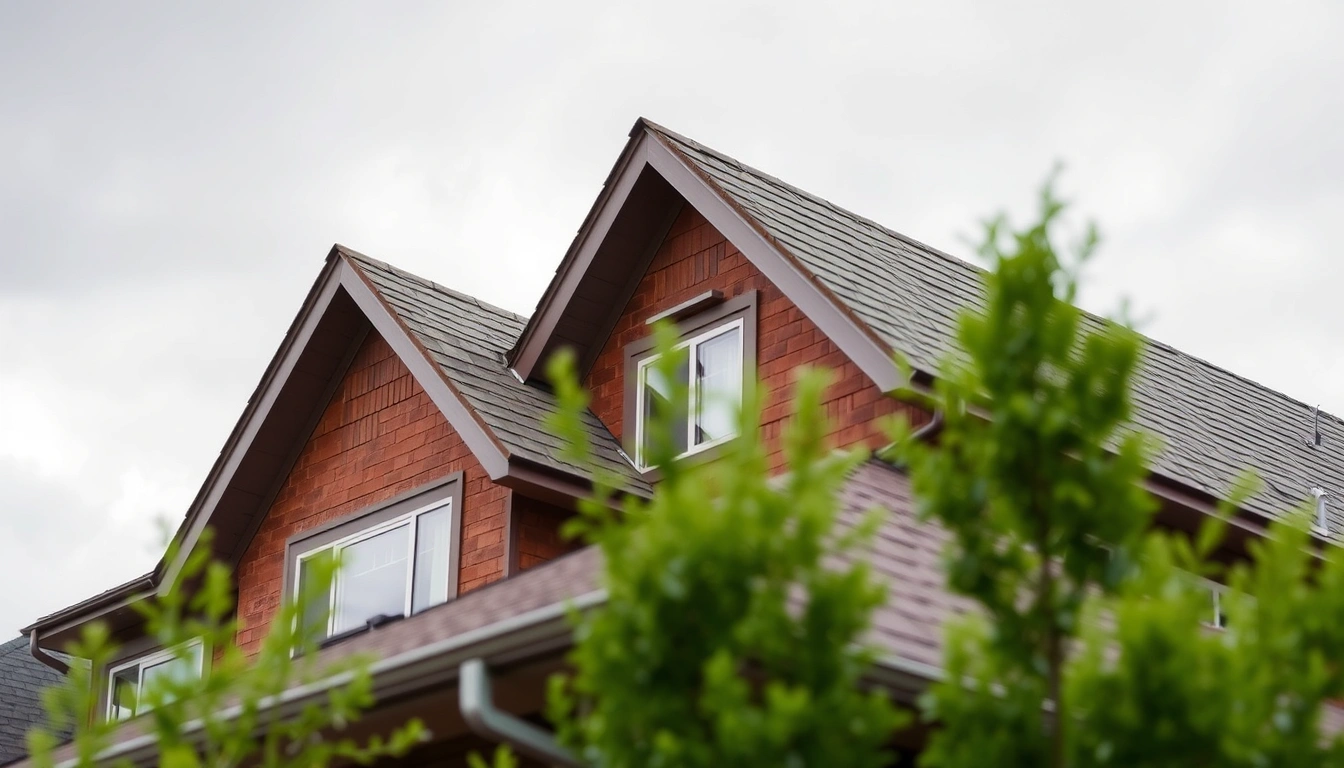
The correct way to inspect storm damage after Boise weather
The correct Boise storm roof inspection starts from the ground, moves to the attic, then goes on the roof only if it is safe. Do not climb up first and guess later. The best inspections follow the storm path, not the homeowner’s anxiety.
Here is the sequence I use when checking a roof after hail or wind uplift: it is fast, repeatable, and it keeps you from missing the one detail that matters. If you do it in order, you get better photos for the insurance adjuster and a cleaner repair decision.
- Walk the property line and photograph every side of the house. Check for downspouts, gutter dents, and shingle debris. Do not start on the ladder.
- Look in the attic for daylight, wet insulation, or stained deck boards. Check around chimneys, vents, and bathroom fans. Do not touch wet insulation with bare hands.
- Take close-up photos of suspected hail marks with a coin or tape measure for scale. Check that the marks are fresh and not old weathering. Do not overstate old wear as storm damage.
- Inspect soft metals first: gutters, vents, flashing, and AC housings. Check for round impacts. Do not ignore these parts just because the shingles look intact.
- Review the roof plane that faces the wind. Check for lifted tabs, creased shingles, and loose ridge caps. Do not assume damage will be uniform on every slope.
- Write the storm date, time, and weather source in one note. Check local reports from NOAA or local storm records. Do not rely on memory when filing a claim.
- Call for a professional roof inspection if you see matched evidence on multiple surfaces. Check for repairable damage versus a patch-and-wait situation. Do not patch blindly before the insurer documents the roof.
A professional storm roof inspection in Boise should also separate storm loss from wear-and-tear. That distinction matters because insurance carriers pay for sudden damage, not for a roof that was already near the end of its life.
If you need a fast response after a branch hit, leak, or tarp situation, start with emergency roof repair Boise. Temporary drying out is not the same as full repair, but it can keep a small problem from becoming drywall damage.
How do I get storm damage roof repair covered by insurance in Boise?
You get storm damage roof repair covered by insurance in Boise by proving sudden, storm-related damage with dated photos, a roof inspection, and a clean claim narrative. The insurer needs to see what changed, when it changed, and why the repair is tied to hail or wind uplift rather than age.
The claim usually moves faster when your evidence packet is simple. One page of storm details, one roof inspection report, and a photo set with wide shots plus close-ups is easier for an insurance adjuster to process than a scattered pile of screenshots.
- Document the storm date and location. Check a weather source, local report, or NOAA data. Do not file with a guessed date.
- Photograph the roof, gutters, siding, fences, and any debris. Check for matching impact patterns. Do not submit only one close-up photo.
- Get a written roof inspection from a Boise contractor who can separate storm damage from normal aging. Check that the report names hail, wind uplift, or both. Do not use a vague “general damage” note.
- Call the insurer and open the claim. Check your deductible before you do this. Do not assume the claim is worth filing if the damage is small and below deductible.
- Meet the insurance adjuster at the property if possible. Check that the adjuster sees the same roof slopes you photographed. Do not let the inspection happen with no context.
- Compare the estimate line by line with the inspection report. Check flashing, vents, ridge caps, and underlayment. Do not accept a shingles-only estimate if the storm hit accessories too.
Most claim approval decisions on straightforward storm losses land within a few days to a few weeks after the carrier has complete documentation, but complex claims can take longer if the roof needs a second inspection or engineer review. The cleaner the file, the less likely the process stalls.
| Claim step | Typical timing | What speeds it up |
|---|---|---|
| Initial notice to insurer | Same day to 2 days | Storm date, address, and photos ready |
| Insurance adjuster inspection | Several days to 2 weeks | Complete claim file and site access |
| Decision and estimate | Days to a few weeks | Matching evidence across roof surfaces |
| Repair scheduling | 1 to 6 weeks | Material availability and contractor backlog |
For the money side of the equation, the average homeowners insurance claim for hail damage reached $9,000 over the past decade, according to CoreLogic data quoted by SageSure in 2022. That number matters because it tells you why small cosmetic damage and real functional damage are not the same decision.
The best insurance claim roof files in Boise are short, dated, and boring: weather proof, photo proof, and contractor proof.
If you are trying to understand whether a roof has enough damage to justify a filing, compare it to roof repair cost Boise before you commit. A deductible that sits near the repair cost usually changes the math.
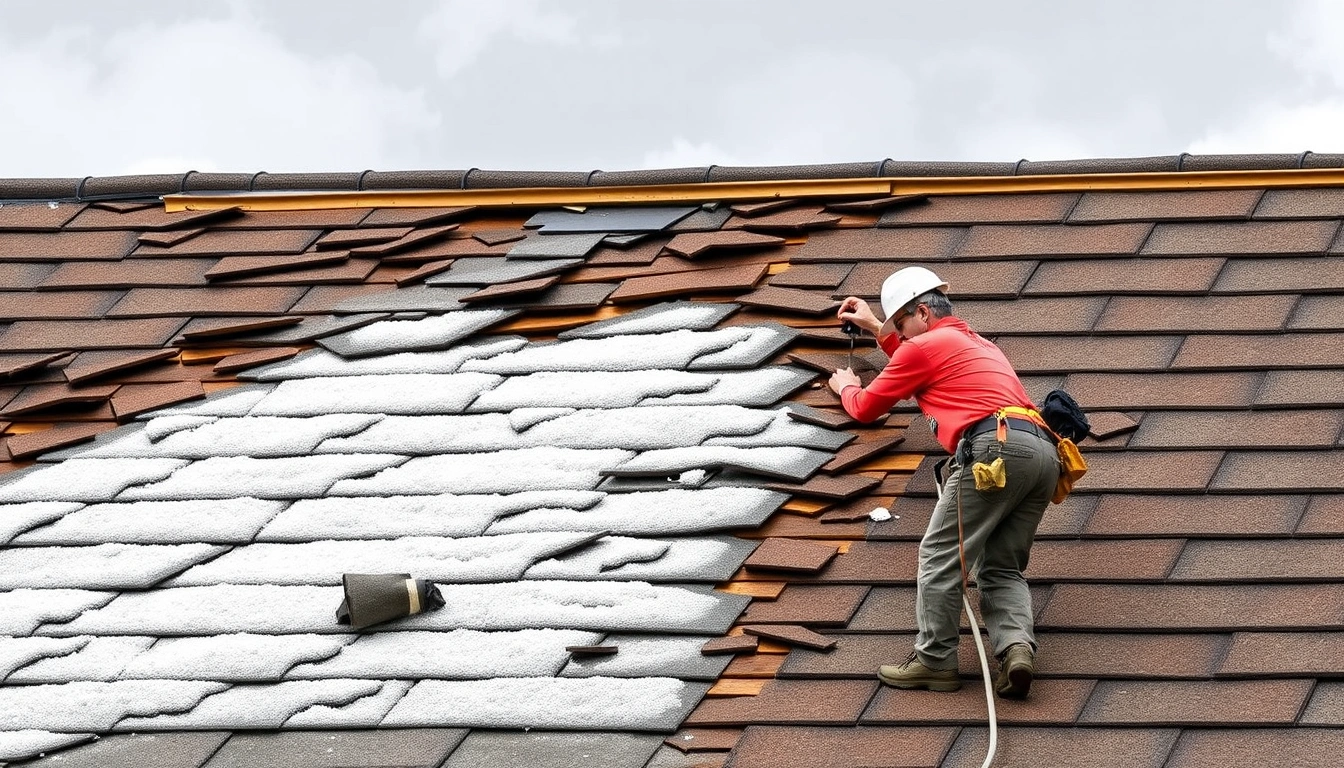
What storm damage roof repair Boise costs in 2026
Storm damage roof repair Boise usually costs more than homeowners expect because the bill often includes decking checks, flashing work, and labor time, not just shingles. In 2026, a small repair may stay in the low hundreds, while major hail or wind work can move into the thousands fast.
Nationally, the average cost of storm and hail roof repairs is just over $12,000, with most projects falling between $2,600 and $23,000, according to AAA Connect (2026). Angi reports that full roof replacement after hail or storm damage averages $9,400, with labor running $35–$200 per hour per worker.
Boise pricing often lands near the middle of that spread when the damage is limited to one slope or a handful of roof accessories. When hail hits vents, ridges, and flashing across multiple sides, the job starts to behave like a replacement instead of a patch job.
| Repair type | Typical 2026 range | What usually triggers it |
|---|---|---|
| Minor repair | $300–$1,500 | Small wind damage repair, a few shingles, sealant, or one flashing issue |
| Moderate storm repair | $1,500–$6,000 | Multiple roof spots, limited hail damage, or underlayment exposure |
| Replacement | $9,400 average | Widespread hail damage roof Boise or repeated wind uplift across slopes |
| Large storm claim | $2,600–$23,000 | Multiple planes, accessories, decking checks, and labor-heavy work |
Typical homeowner deductibles for wind and hail claims often fall in the $1,000–$2,500 range, though some policies use percentage deductibles instead. That is why a $1,200 repair may be worth paying out of pocket, while a $7,500 storm loss is usually worth a claim conversation.
Boise storm costs also move with labor and seasonality. After a regional hail run, crews book out fast, and the first estimate is not always the real one. If the roof needs tarping or water control first, use roof repair Boise to bridge the gap between damage control and permanent work.
Why wind uplift changes the repair decision more than visible damage does
Wind uplift changes the repair decision because it can break the seal under the shingle without leaving a dramatic mark on top. In Boise, that matters more than people think, especially after gusty thunderstorm outflow events that push 61–72 mph across the metro area.
Wind damage repair is not just about missing shingles. It is also about creased tabs, loosened ridge caps, lifted starter strips, and flashing that has been bent just enough to fail during the next storm.
What wind uplift looks like in person
The key here is the edge of the shingle — notice how it sits slightly raised or folded where the adhesive strip failed. That is what separates a roof that can be patched from a roof that will keep opening up.
- Lifted tabs: check the lower edge for curl or a visible gap.
- Creased shingles: look for a sharp bend line after the wind event.
- Ridge cap movement: inspect the top ridge for loose fasteners or open seams.
- Flashing shifts: check where metal meets masonry or a vent stack.
The practical mistake is thinking the roof must be missing pieces to count as storm damage. A roof with half a dozen lifted tabs may leak sooner than a roof with one missing shingle if the seal line has broken along a long section.
Wind uplift is often a hidden failure: the damage is under the shingle edge, not in the obvious tear-off debris.
Boise weather history supports that caution. Thunderstorm outflow winds have caused widespread roof impacts across the metro area, and those events often show up first as loose edges, not dramatic blow-offs. That is why a storm roof inspection should include the perimeter, the ridge, and the flashing before anyone talks about replacement.
Before vs. after: what good storm damage roof repair Boise actually looks like
Good storm damage roof repair Boise looks invisible from the street and tidy at the edges. Bad repair work leaves mismatched shingles, exposed fasteners, poor sealant lines, and flashing that looks newer than the roof around it.
The real test is whether the repaired section matches the roof plane and keeps water moving downhill without pooling. A good repair respects the existing shingle pattern, nail lines, and accessory alignment, even when the job is small.
| Area | Good repair looks like | Bad repair looks like |
|---|---|---|
| Shingles | Even courses, consistent color match, clean edges | Patchwork color, crooked lines, visible overlap mistakes |
| Flashing | Properly tucked and sealed at penetrations | Heavy caulk blobs or loose edges |
| Fasteners | Hidden or correctly covered | Exposed nails or overdriven heads |
| Water path | Water sheds cleanly to gutters | Standing water or redirected runoff |
- Remove damaged shingles or failed accessories only in the affected area. Check for matching course alignment. Do not leave torn edges under new material.
- Inspect the decking for soft spots. Check from below if possible. Do not cover rotten wood and hope it dries out.
- Install underlayment and flashing to match the roof system. Check overlap direction and edge coverage. Do not reverse layers or rely on sealant alone.
- Replace shingles in straight courses. Check nailing pattern and shingle exposure. Do not force a new course into a warped line.
- Seal edges where appropriate, but only as a backup. Check manufacturer guidance and weather conditions. Do not use caulk as the main waterproofing method.
- Document the finished repair with photos for the homeowner and insurer. Check that the repair area is obvious in records but not visually awkward on the roof. Do not skip the final documentation.
This is where brand and material details matter. If a roof uses GAF shingles, the repair approach should match the existing system and installation method so the fix does not stand out or fail early.
One honest lesson from jobs I have watched up close: the cheapest patch is often the one that gets redone after the next storm. If the roof damage is still active, temporary stabilization is one thing; a permanent repair needs the right layers, not just the right price.
Should I file an insurance claim for minor roof storm damage in Idaho?
Should you file an insurance claim for minor roof storm damage in Idaho? Only if the damage is real, storm-related, and likely to cost more than your deductible or to worsen quickly. Cosmetic marks alone usually do not justify a claim, but lifted shingles, broken flashing, or attic moisture can.
The decision is usually simpler when you compare the estimated repair price to your deductible and then ask whether the damage is stable. A few hail dents on gutters may be nuisance damage; a vent cap with cracked sealant and attic staining is a real roof issue.
Use this rule of thumb: file if you have functional damage, clear storm evidence, and a repair bill that meaningfully beats the deductible. Skip the claim if the roof is sound, the marks are cosmetic, and the estimate is close to or below what you would pay anyway.
- File: active leaking, lifted shingles, torn flashing, or widespread impact evidence.
- Delay and inspect: minor dents, no leaks, and unclear roof-slope evidence.
- Pay out of pocket: small fixes under deductible with no functional loss.
Insurance carriers care about cause and function. An insurance claim roof file with no attic evidence, no slope-specific photos, and no contractor note is much easier to deny or underpay than one with dated proof and a clean repair scope.
If the storm hit hard enough that your roof needs immediate protection, that is the point to shift from analysis to action. Temporary drying, tarping, or an emergency call is not overreacting when water is still a live risk.
Common Questions About storm damage roof repair Boise
How do I get storm damage roof repair covered by insurance in Boise?
Document the storm date, take wide and close-up photos, and get a written roof inspection that names hail or wind uplift. Then open the claim, meet the insurance adjuster if possible, and compare the estimate to your deductible. Claims with clear evidence usually move faster than vague damage reports.
What does hail damage look like on a Boise roof?
Hail damage usually shows up as bruised shingles, missing granules, dented gutters, and marked flashing. On asphalt shingles, the damage can look like dark spots or soft patches. On metal parts, you often see round dents before you see a leak.
Should I file an insurance claim for minor roof storm damage in Idaho?
File only if the damage is functional, storm-related, and likely to exceed your deductible. Minor cosmetic dents usually do not justify a claim. If you have lifted shingles, torn flashing, or attic moisture, the claim conversation becomes much more reasonable.
How long does storm roof inspection take in Boise?
A focused storm roof inspection usually takes 20 to 45 minutes for an average Boise home, longer if attic access, multiple roof planes, or accessory damage are involved. The photo review and written summary can take longer than the on-site walk itself.
What if wind uplift damaged only a few shingles?
A few lifted shingles can still matter because the seal line may be broken under the edge. If the damage is isolated and dry, a repair is often enough. If the same slope shows multiple lifted tabs or loose ridge caps, the scope usually gets bigger.
How fast should I schedule roof repair after a Boise hailstorm?
Schedule the inspection the same day if possible and the repair as soon as the roof is stable. If water is already entering the attic, call for emergency roof repair first. In Boise, fast scheduling matters because post-storm contractor backlogs can build quickly.
- Boise storm damage is often hidden in edges, flashing, and attic signs, not just missing shingles.
- A clean insurance claim roof file needs storm date, photos, and a written roof inspection.
- Typical deductible range matters as much as the damage size when deciding whether to file.
- Wind uplift can be just as serious as hail because it breaks seals that look fine from the ground.
The Bottom Line
For storm damage roof repair Boise, the right move is usually fast inspection, careful documentation, and a claim only when the roof has real functional damage or repair costs that beat the deductible. Boise storms are hard on shingles, but they are especially hard on flashing, vents, and edges that people rarely check until a leak starts.
If you do one thing this week, take 10 minutes after the next storm to photograph the roof, gutters, and attic ceiling before anything gets cleaned up or patched. That single habit is often the difference between a clean claim and a frustrating denial.
See also: Boise roof repair statistics
See also: emergency roof repair Boise
See also: roof repair Boise
Related: hail damage roof repair Boise
Related: roof leak after storm Boise
Related: wind damage roof repair Boise
Leave a Reply