
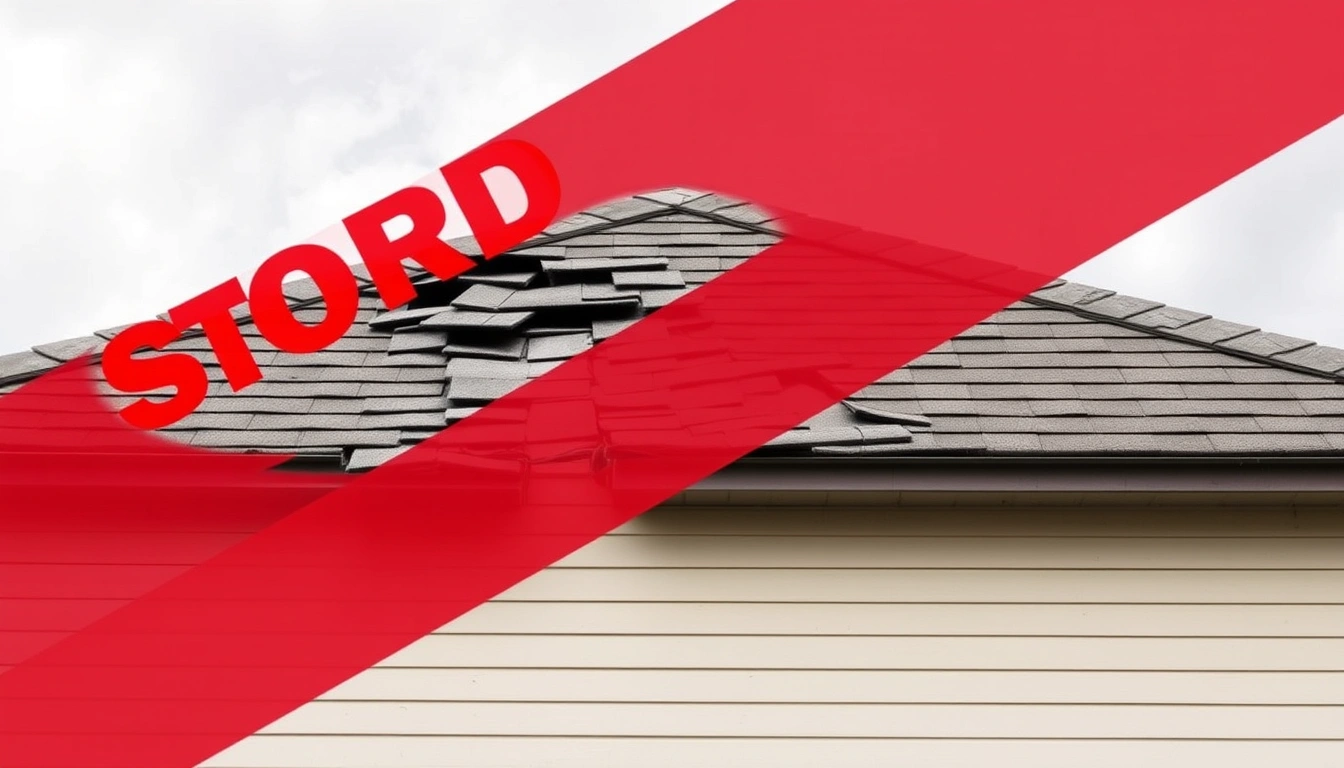
roof storm damage claim denied Boise: what to do next
⏱️ 9 min read · Last updated: 2026
- Appeal window: many policies and insurers allow 60 to 180 days from the denial letter or claim decision, so read the deadline before you do anything else.
- Public adjuster fee: commonly 5% to 15% of the settlement amount, depending on claim size and state rules.
- Reinspection success note: a reinspection works best when you bring new evidence, such as date-stamped photos, roofer notes, and a clean line-item estimate.
- Most strong appeals are built on three items: the denial letter, proof of storm timing, and a detailed inspection report with matching photos.
- In Boise, hail and wind claims often hinge on whether damage is cosmetic or functional, which is why ridge caps, creased shingles, and seal-tab failure matter.
The first thing I notice when a roof storm damage claim denied Boise lands on my desk is that the denial usually says less than people think. It may mention wear and tear, missing maintenance, or “insufficient evidence,” but the real issue is often proof, not the roof itself.
I have seen homeowners get a reversal after one clean reinspection, and I have also seen weak files stall for months. One Boise repair estimate I reviewed came in at $11,400 for a slope repair and replacement underlayment package, yet the claim file had only three blurry phone photos. That is a paperwork problem, not just a roofing problem.
How a claim denial actually works in Boise, and why most people miss it
A claim denial is usually not the final word; it is the insurer’s current position based on the evidence in the file. In Boise, the difference between a bad denial and a fixable denial is often whether the file proves storm-related damage instead of general roof aging.
The key here is the denial language. “Wear and tear” points to age, “pre-existing damage” points to old defects, and “no storm-created opening” points to a coverage argument. Those are not the same thing, and each one needs a different response.
A denial is only as strong as the file behind it, and in roof storm claims the file often fails because the photos, dates, and inspection notes do not match the storm event.
| Denial reason | What it usually means | What you need next |
|---|---|---|
| Wear and tear | Insurer sees age-related deterioration | Roofer notes showing storm-created creases, bruising, or lifted tabs |
| Pre-existing damage | Insurer thinks the roof was already compromised | Old photos, maintenance records, and a timeline of the storm |
| Insufficient evidence | Inspection file is too thin | Better photos, measurements, and a second inspection report |
| No covered peril | Insurer disputes wind or hail as the cause | Weather records plus visible impact marks and matching loss pattern |
If the roof is actively leaking, separate the emergency fix from the insurance file. A temporary tarp or emergency patch can stop interior damage, while your roof leak storm documentation shows the insurer the loss is ongoing and dated.
One useful Boise-specific clue is hail pattern. Hail often leaves random bruising and granule loss on the same slope, while age tends to show broader curling, cracking, and brittle edges. That visual distinction is what many adjusters look for first.
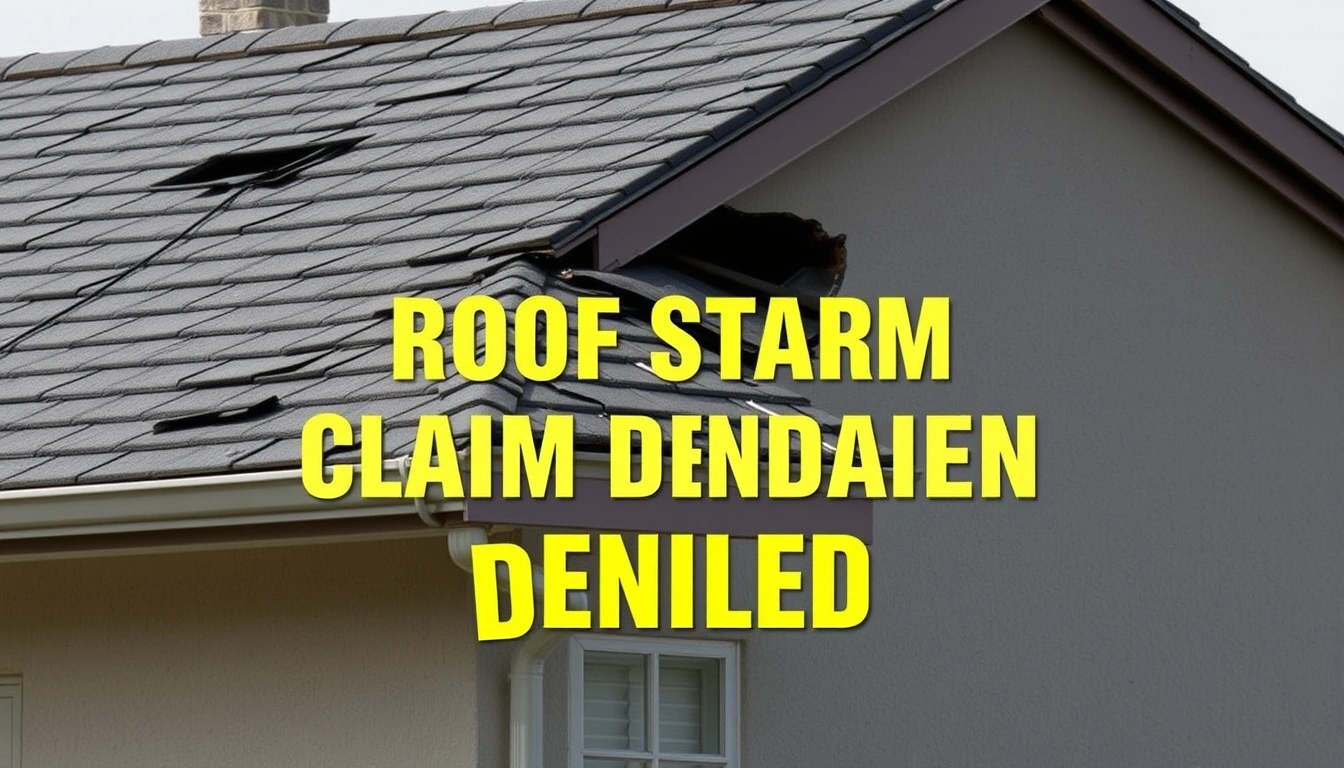
My roof storm claim was denied in Boise — can I appeal?
Yes, you can usually appeal a denied roof claim, and the strongest appeals are built fast. In most cases, you should act within 60 to 180 days of the denial letter, because that window is often where the insurer still treats the file as open and reviewable.
The best denied roof claim appeal is not emotional. It is a clean packet that answers the denial reasons line by line, with dated evidence attached.
- Read the denial letter word for word. Check the reason for denial, the policy section cited, and the response deadline. Do not call before you highlight those three items.
- Gather storm evidence. Save weather reports, date-stamped photos, roofer notes, and any emergency repair receipts. Do not rely on memory alone.
- Request the claim file. Ask for the inspection photos, adjuster notes, and any engineering report used in the decision. Do not assume you already have the full record.
- Create a simple timeline. List the storm date, first leak date, inspection date, and denial date. Check that every document uses the same dates. Do not mix estimates from different weeks without labels.
- Get a line-item roof estimate. A contractor estimate should show slopes, squares, underlayment, flashing, vents, and disposal. Do not submit one-line totals with no detail.
- Submit the appeal in writing. Reference the denial reason, attach the new evidence, and ask for an appeal or claim reinspection. Do not just call and hope someone takes notes.
- Track every contact. Save emails, certified mail receipts, and claim numbers. Check the file weekly until someone confirms review.
In Boise, a clean appeal packet often helps more than a long complaint. If you need a starting point for policy language and claim documents, the roof insurance claim page is a useful companion while you organize the file.
A strong appeal usually wins or loses on one thing: whether the new evidence directly answers the denial reason.
| Appeal element | Good version | Weak version |
|---|---|---|
| Photos | Date-stamped, labeled by slope and damage type | Random phone shots in one folder |
| Estimate | Itemized with materials and labor | Single total number only |
| Timeline | Storm, leak, inspection, denial, appeal | General story with no dates |
| Ask | Reopen claim, then reinspection | “Please reconsider” |
Should I hire a public adjuster for a denied roof claim?
Hire a public adjuster when the claim file is disputed, the roof damage is technical, or the insurer keeps saying the evidence is incomplete. A public adjuster works for you, not the insurance company, and that matters when the claim turns into an insurance dispute.
A claim reinspection is cheaper and should be your first move if the denial looks fixable with better documentation. A public adjuster is better when the claim value is larger, the roof has multiple slopes or complex flashing, or the insurer already has a detailed counterargument.
| Option | Typical cost | Best for | Trade-off |
|---|---|---|---|
| Reinspection | Usually no direct fee from the homeowner | Missing photos, incomplete inspection, simple denial | Fastest route, but only works if new evidence is strong |
| Public adjuster | Commonly 5% to 15% of settlement | Large losses, disputed causation, repeated denial | Costs more, but can organize a stronger claim file |
| Attorney | Varies by case and fee agreement | Bad-faith concerns or serious policy disputes | Usually later in the process, not first |
If your roof shows impact marks, lifted shingles, and matching slope damage, a storm damage roof repair Boise inspection can help you decide whether the file is technical enough to justify a public adjuster.
The public adjuster fee is commonly 5% to 15%, so the math only works when the likely settlement increase is large enough to justify the cut.
The practical rule I use is simple. If the denial rests on one missing inspection detail, request a reinspection first. If the denial rests on a disagreement about hail, wind, or hidden damage across multiple roof sections, bring in a public adjuster sooner.
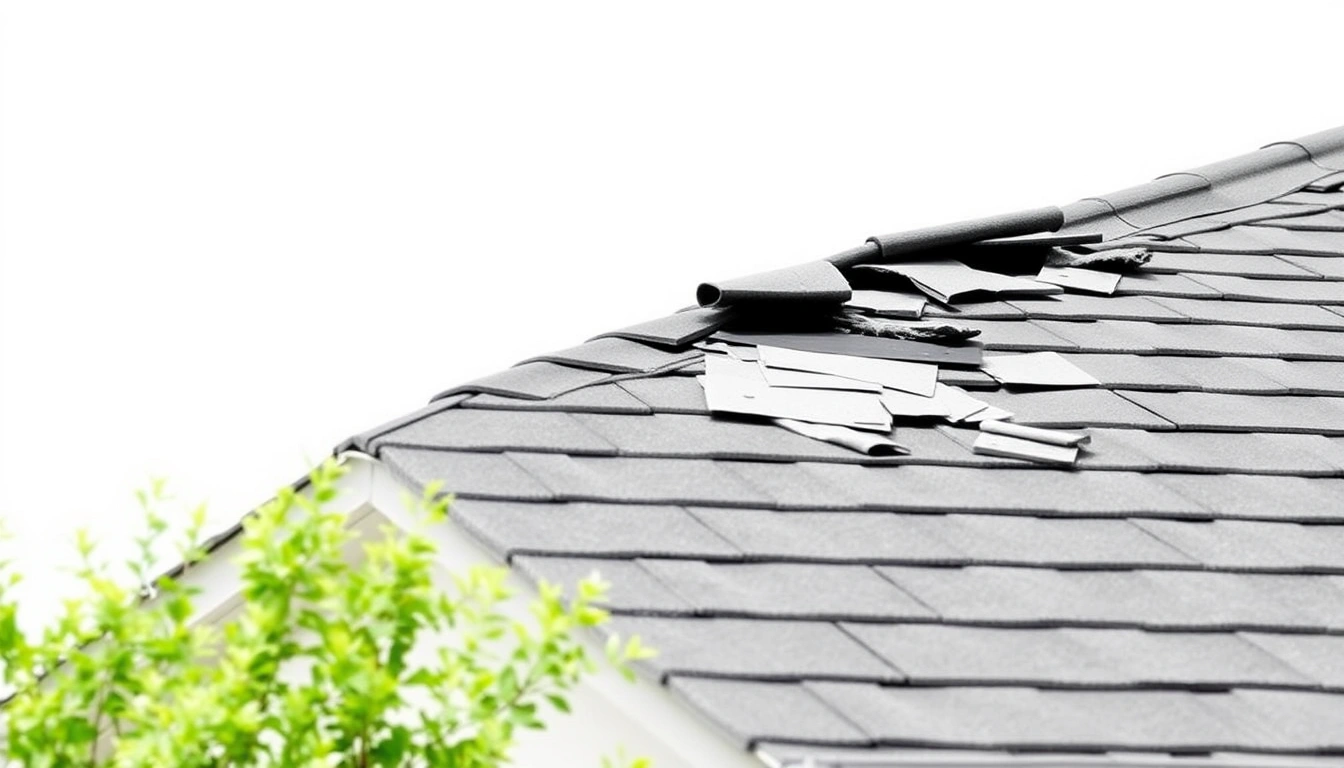
Before vs. after: what good roof storm damage claim denied Boise actually looks like
Good evidence looks organized, visible, and tied to the storm event. Bad evidence looks like a photo dump, a vague estimate, and a story that never reaches the denial reason.
The visual difference is easy to spot. Good files show the same damaged area from multiple angles, with close-ups of bruised shingles, creased tabs, torn mat, or dented metal. Bad files show a roof from the driveway and nothing else.
What the photos should show
Use roof slope, ridge, valley, flashing, vent boot, and gutter as labels. The key here is the damage pattern — notice how storm losses cluster in one direction while age damage spreads across the roof.
- Close-up of the damaged shingle or metal panel.
- Mid-range shot showing at least 3 to 5 surrounding courses.
- Wide shot showing the exact slope and relation to ridge or valley.
- Ground-level shot for context and roof geometry.
What the estimate should show
A useful estimate lists measurable work, not just a total. For example: replace 24 squares of shingles, remove and reset 18 feet of step flashing, replace 2 pipe boots, install synthetic underlayment, and dispose of debris.
| Component | Good estimate detail | Why it matters |
|---|---|---|
| Shingles | Type, quantity, square count | Shows scope and material match |
| Flashing | Linear feet and location | Connects hidden leaks to storm damage |
| Underlayment | Replacement areas by slope | Helps when hail bruising is not obvious from below |
| Vent boots | Count and replacement reason | Supports wind-driven damage arguments |
If you only need a baseline check before filing another round of paperwork, a free roof inspection Boise can tell you whether the damage is visible enough to justify an appeal or reinspection.
The detail everyone gets wrong in a roof storm claim denial
The biggest mistake is treating the denial like a customer service problem instead of a proof problem. Most roof storm damage claim denied Boise cases fail because the homeowner argues coverage before proving cause.
That mistake wastes time. The insurer wants a document chain, not a long explanation, and every missing link gives them room to stand by the claim denial.
- Do not repair everything before documenting it. Check the roof condition first, then make the emergency fix.
- Do not send duplicate photos. Check whether each image adds a new angle or detail, then keep only the useful ones.
- Do not skip the storm timeline. Check the event date against your first leak or shingle movement, then write it down.
- Do not assume the first adjuster saw everything. Check for hidden areas like valleys, pipe boots, and rear slopes, then ask for a claim reinspection if needed.
- Do not rely on verbal promises. Check for written confirmation after every call, then save the email or letter.
- Do not hire a public adjuster too early if the file is simple. Check whether a better inspection packet could solve it first, then decide whether the fee is worth it.
One mistake I learned the hard way on a personal roof project: a clean, dated folder beats a dramatic explanation every time. I once spent two hours sorting 19 photos into three labeled groups, and the insurer responded faster than when I had sent everything at once. Simple wins.
A well-built claim file is easier to reopen than to argue.
- Start with the denial letter, not the phone call.
- A strong appeal answers the exact denial reason with new evidence.
- Request a claim reinspection before paying a public adjuster if the file is only missing proof.
- When the claim is technical or high-value, a public adjuster can be worth the fee.
Common Questions About roof storm damage claim denied Boise
What are common reasons roof claims get denied in Boise?
The most common reasons are wear and tear, pre-existing damage, missing documentation, and disputes over whether hail or wind caused the loss. Boise claims often turn on visual proof, so photos, dates, and a slope-by-slope inspection matter more than a general complaint.
How to appeal a denied roof insurance claim step by step?
Read the denial letter, gather dated photos and weather records, request the claim file, get an itemized roofer estimate, and submit a written appeal that answers each denial reason. Most homeowners do better when they organize the file before calling again.
Reinspection vs public adjuster — which improves my odds?
A reinspection is better for a simple denial with missing proof. A public adjuster is better when the damage is technical, the claim value is large, or the insurer has already pushed back after one review. Many homeowners try reinspection first because it costs less.
Why did my adjuster miss the storm damage and how to fix it?
Adjusters miss damage when the evidence is hidden, the slope is hard to access, or the loss looks like aging from the ground. Fix it by adding close-up photos, roof measurements, and a second inspection that identifies the same damage on multiple slopes.
How much does a public adjuster cost for a roof claim?
A public adjuster commonly charges 5% to 15% of the settlement amount. That fee makes the most sense when the claim is large enough that a stronger settlement could offset the cost, especially after a denial or disputed reinspection.
How long does a denied roof claim appeal usually take?
A simple appeal can move in a few weeks if the insurer accepts new evidence quickly, but a disputed file can take months. If you need a faster answer, ask for a claim reinspection and submit one organized packet instead of sending documents in pieces.
The bottom line
A roof storm damage claim denied Boise is not automatically the end of the road, but it is a signal to get organized fast. The smartest move is to match your next step to the denial: appeal with evidence if the file is thin, request a claim reinspection if new proof exists, and bring in a public adjuster when the dispute is technical or high-value. Pick one thing from this article and try it this week — not all of it, just one. If you want the broader context, the Storm & Hail Roof Damage in Boise: Repair, Insurance & Prevention pillar is the right next stop.
See also: storm damage roof repair Boise
See also: roof leak after storm Boise
See also: roof insurance claim Boise
Related: snow load psf
Leave a Reply