
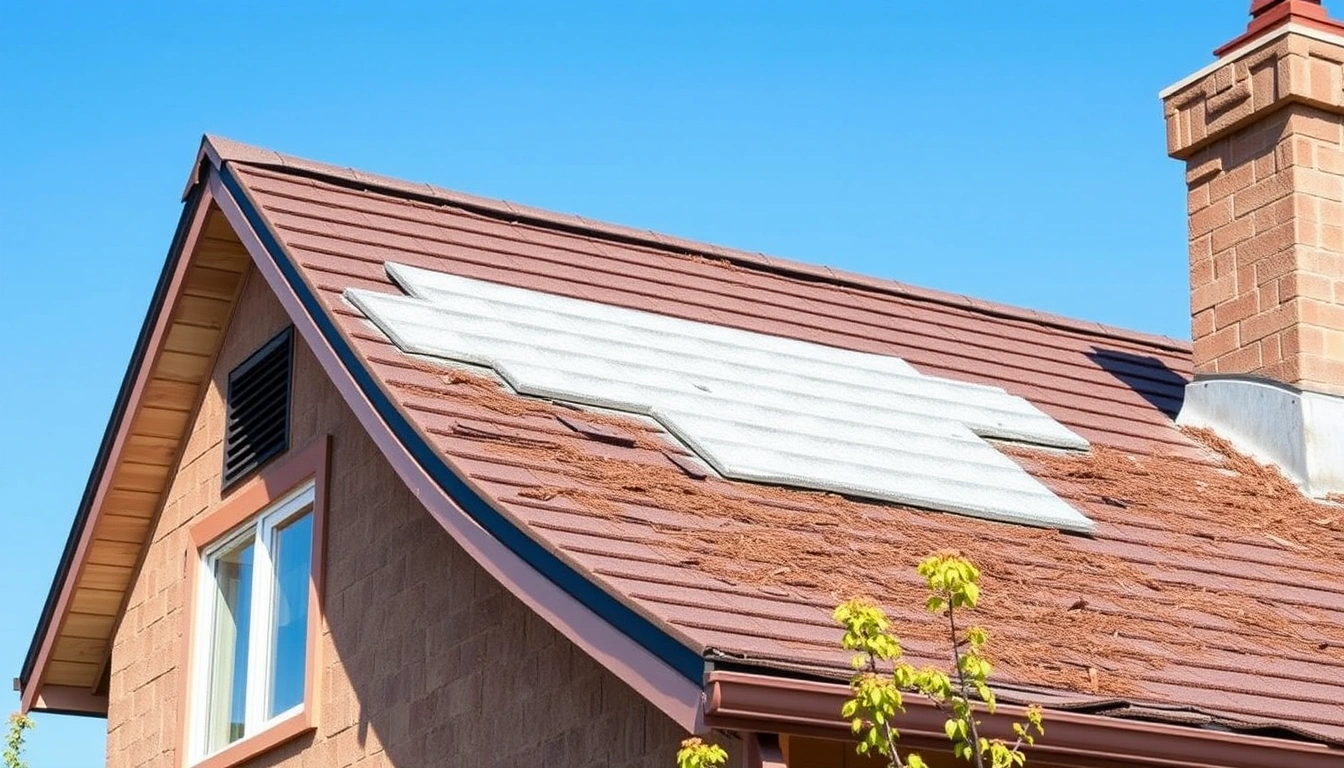
Wind damage roof repair Boise: Cost, Ratings, and Next Steps
⏱️ 9 min read · Last updated: 2026
- Typical repair cost: small shingle blow-off repair jobs often land around $300–$900; larger wind uplift damage repairs commonly run $1,000–$3,500+ depending on slope, access, and matching materials.
- Shingle wind rating spec: many standard architectural shingles are rated to 110 mph, while higher-performance options are commonly rated to 130 mph when installed to the manufacturer’s nailing pattern.
- Wind speed damage threshold: shingles can start lifting or losing sealant in strong gusts well below their listed rating, especially on edges, hips, and ridge cap sections.
- Boise timing reality: after a wind event, the best window for inspection is within 24–72 hours so loose tabs, popped nails, and ridge cap repair needs are caught before leaks spread.
- Insurance angle: homeowners policies usually cover sudden wind damage, but they often exclude wear, poor maintenance, and pre-existing granule loss.
After one hard Boise windstorm, the first thing I look for is not a missing shingle in the yard. It is the edge line: lifted tabs, bent ridge cap, and a few dark spots where the seal strip stopped doing its job.
That matters because wind damage roof repair Boise is rarely just about the obvious shingle blow-off. The bigger problem is wind uplift damage that breaks the seal, loosens fasteners, and lets the next rain find the deck.
On a recent roof inspection, a homeowner thought they needed a full replacement. The actual problem was six lifted shingles, one loose ridge cap section, and a nail pattern that was fine for calm weather but weak on the windward side. That kind of repair can be the difference between a $600 fix and a five-figure replacement.
How wind uplift actually works on Boise roofs
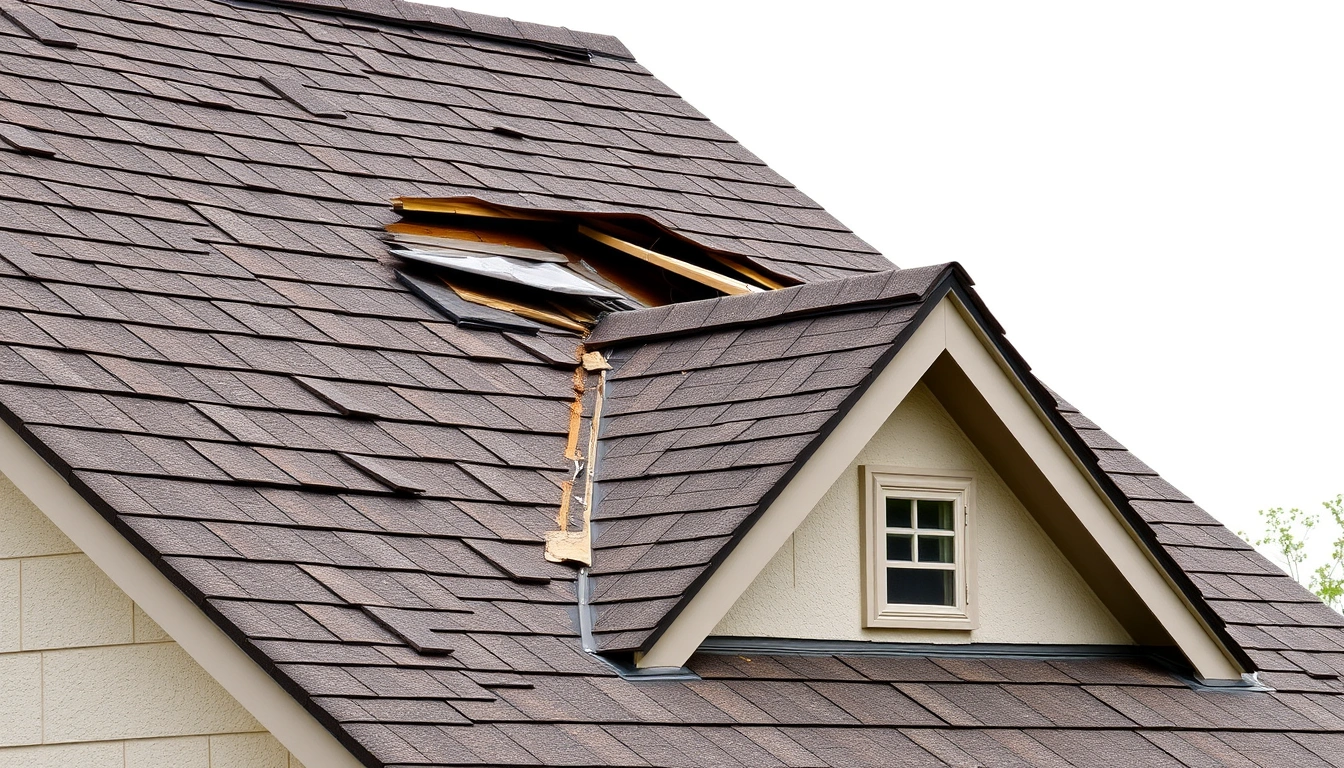
Wind damage starts at the weakest edge, not the middle of the roof. In Boise, that usually means the eaves, rakes, hips, and ridge cap, because wind can get under a shingle edge and create wind uplift before a shingle ever tears off.
The key idea is simple: a shingle does not have to fly away to be damaged. If the seal strip breaks, the shingle can flutter, crease, and slowly loosen until the next storm finishes the job.
A shingle can be damaged by uplift long before it becomes visible from the ground, which is why edge inspection beats driveway guessing every time.
Boise’s wind events often arrive with fast gusts, dry air, and dust. That combination can lift tabs, flex ridge cap pieces, and scrape granules off the top course where the roof is already aging. I have seen roofs with no missing shingles at all that still needed repairs because the seal line had failed in a strip along one slope.
| Roof area | What wind usually does | What you can see from the ground |
|---|---|---|
| Eaves and rakes | First lift point for wind uplift | Curled edges, missing tabs, exposed nails |
| Field shingles | Seal strip breaks, tabs flutter | Uneven lines, lifted corners, fresh scuffs |
| Ridge cap | Fasteners loosen, pieces split | Gaps at the peak, bent caps, exposed edges |
Quotable line: Most Boise wind damage begins as uplift at the roof edge, not as a dramatic shingle blow-off.
For context on broader storm patterns and damage reporting in the area, I also keep an eye on Boise roof repair statistics when comparing what homeowners report after major weather events.
The correct way to handle a roof after wind hits
The right first move is to document the roof, protect the leak path, and get an inspection before the next rain. Do not climb up first unless you have safe footing, a helper, and a real reason to be there.
For most homeowners, the fastest win is ground-level photos, attic checks, and a tarp only if water is actively entering. That sequence prevents the classic mistake of damaging the roof more while trying to “just take a look.”
- Take 10 to 15 photos from the ground. Check for missing shingles, lifted corners, debris, and ridge cap gaps. Do not use zoomed-in blurry shots that hide the roof line.
- Check the attic or top floor ceiling. Look for damp insulation, fresh staining, or daylight at fastener lines. Do not assume a dry ceiling means a dry deck.
- Look for shingle blow-off repair needs around the windward side. Check the gutters and yard for matching fragments. Do not mix unrelated debris with roof material.
- Cover active leaks with a temporary tarp or call for emergency help. Check that the tarp extends past the damaged zone. Do not screw through areas you have not inspected.
- Get a close roof inspection from a qualified roofer. Check for lifted tabs, popped nails, cracked ridge cap, and soft decking. Do not approve a repair from driveway-only evidence.
- Ask whether the damage is isolated or systemic. Check the age of the shingles and whether the wind rating still matches the roof’s exposure. Do not treat old brittle shingles like new ones.
Quotable line: The best first 24 hours after wind damage are for photos, leak control, and inspection, not for guessing from the driveway.
If the damage includes water entry, a focused roof leak after storm Boise visit is often the fastest way to stop interior damage before the repair plan is set.
Wind rating shingles that hold up better in Boise
Wind rating shingles matter because not all shingles are built for the same gust load. In practice, many standard architectural shingles are rated to 110 mph, while some premium options reach 130 mph when installed exactly to manufacturer specs.
The number on the package is only part of the story. Real-world performance also depends on nailing pattern, roof slope, edge detailing, and whether the ridge cap was installed tightly enough to stay put under wind uplift.
| Shingle type | Common wind rating | What that usually means on a Boise roof |
|---|---|---|
| Basic 3-tab | 60–80 mph | Less forgiving on edges and older roofs |
| Architectural shingle | 110 mph | Common upgrade for better shingle blow-off resistance |
| Premium rated shingle | 130 mph | Better for exposed slopes and repeat wind uplift damage |
That table sounds technical, but the field check is simple. If the shingles are brittle, curled, or missing sealant strips, the listed wind rating does not matter much anymore. Age and installation quality will beat the brochure every time.
The best wind rating shingles are the ones that are rated for the wind and installed with the correct starter strip, fastener pattern, and ridge cap detail.
I have seen newer roofs outperform older ones with the same brand because the installer sealed the edge line correctly. I have also seen premium shingles fail early when the ridge cap was thin, under-nailed, or placed over uneven decking.
Quotable line: A 130 mph shingle rating helps only when the nailing pattern, starter course, and ridge cap are installed correctly.
For comparison after hail and mixed storm exposure, hail damage roof repair Boise becomes relevant when granule loss and impact marks show up at the same time as wind uplift.
Wind damage roof repair Boise: repair or replace?
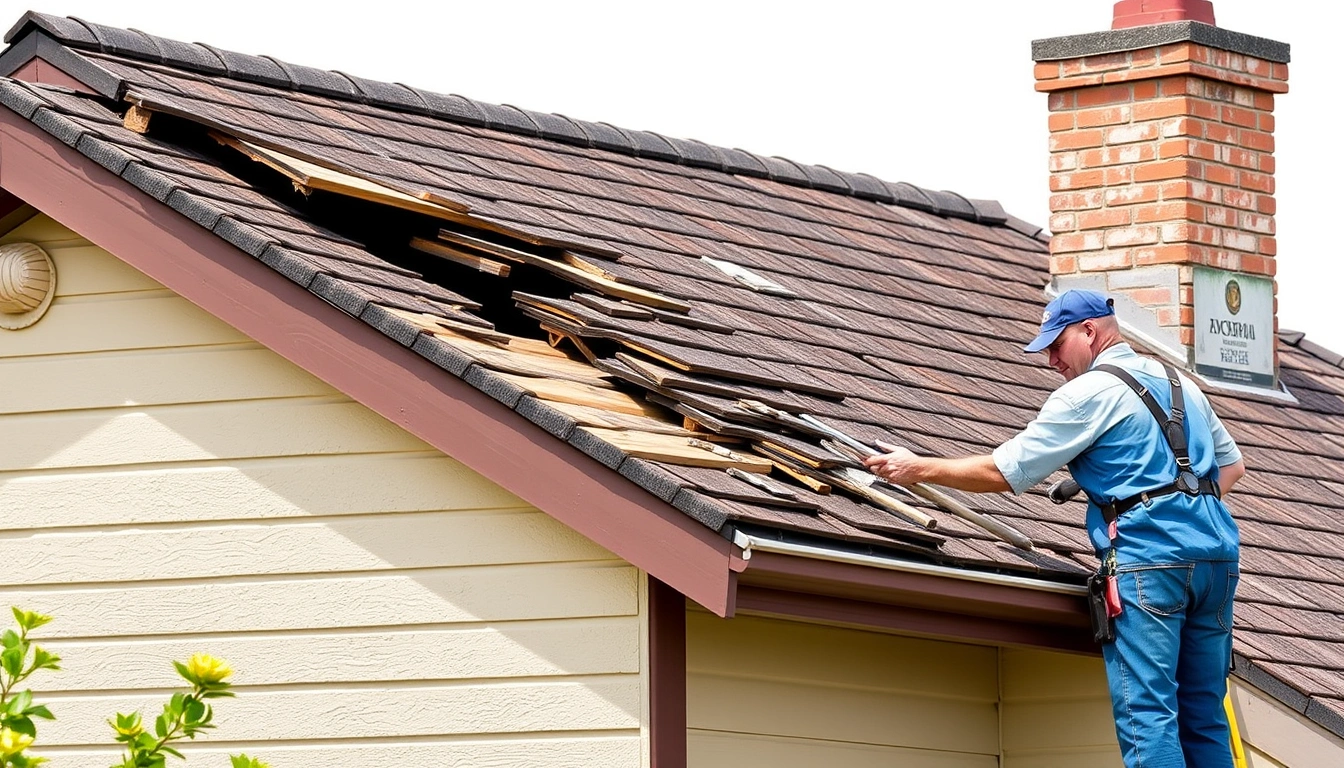
Repair is the right answer when the damage is localized, the decking is dry, and the shingles can still be matched closely enough. Replacement starts making more sense when the roof has widespread lifting, repeated shingle blow-off, or age-related brittleness.
The fastest way to tell is to map the damage, not just count missing pieces. If one windward slope is affected and the other slopes are stable, repair often wins. If multiple slopes show seal failure, ridge cap damage, and scattered granule loss, replacement is usually the cleaner long-term move.
What a good repair actually includes
A good repair is not just nailing down loose shingles. It should include replacing damaged tabs, re-sealing compatible sections, checking underlayment, and repairing ridge cap sections that lost their hold.
When I compare bids, I want to see line items for material replacement, sealant, labor, and cleanup. If the quote only says “roof repair,” I treat it like a sketch, not a plan.
Typical cost range in Boise
Small localized wind damage roof repair Boise jobs commonly run $300–$900, while more involved repairs with ridge cap repair, replacement shingles, and underlayment work often land between $1,000 and $3,500+. Steeper roofs, hard access, and color-matching older shingles can push the price higher.
Quotable line: In Boise, isolated wind repairs often stay under $1,000, but multi-slope wind uplift damage can move the job into the $1,000–$3,500+ range.
For a broader sense of how wind and storm claims are discussed locally, I recommend reviewing storm damage roof repair Boise when you are deciding whether the damage is isolated or part of a larger storm pattern.
| Situation | Repair or replace? | Why |
|---|---|---|
| 3–8 missing shingles, dry deck | Repair | Localized shingle blow-off repair is usually enough |
| Lifted shingles on one slope, ridge cap intact | Usually repair | Wind uplift damage is contained |
| Multiple slopes, brittle shingles, repeated failures | Replace | Patchwork repairs may not hold |
| Soft decking or leaks in attic | Replace or rebuild section | Underlying structure needs attention |
Is wind damage covered by homeowners insurance in Idaho?
Usually, yes, if the damage came from a sudden wind event and not from wear or neglect. Most homeowners policies in Idaho cover sudden wind damage, but they often deny claims tied to age, failed maintenance, or pre-existing roof deterioration.
The practical issue is documentation. Insurance companies tend to move faster when the homeowner can show the storm date, photos of the damaged shingles, and an inspection report that separates wind uplift damage from long-term aging.
If you want to understand the paperwork side better, the Clean Claims path is usually: date the storm, photograph the roof, protect the leak, get an estimate, and report the loss promptly. The exact deductible and settlement depend on the policy language, but a clear evidence trail gives you the best shot at a fair review.
Quotable line: Wind damage is commonly covered by homeowners insurance in Idaho when the loss is sudden, documented, and not caused by wear.
For a local breakdown of coverage patterns and repair outcomes, I keep the storm damage roof page in the loop with policy conversations because wind and rain losses often appear together.
The detail everyone gets wrong
The most common mistake is treating a missing shingle as a single-shingle problem. In reality, the missing piece is often a sign that the seal strip failed, the ridge cap loosened, or the edge metal let wind get underneath.
That is why two roofs with the same missing shingle can need very different work. One may need a simple patch. The other may need ridge cap repair, underlayment checks, and a full slope assessment before the leak starts.
- Misreading the ground view. Check the ridge line and edges, not just the lawn. Do not assume no debris means no damage.
- Chasing only visible damage. Check for wind uplift damage where shingles still sit in place. Do not wait for a leak to prove the problem.
- Using the wrong material match. Check color, thickness, and age before patching. Do not install a mismatched shingle that makes the repair obvious and unstable.
- Ignoring the ridge cap. Check for splits and loose fasteners at the peak. Do not focus only on field shingles.
- Choosing the cheapest quote. Check scope, warranty, and ventilation details. Do not buy a low bid that skips the hidden damage.
- Waiting too long. Check the roof within days, not weeks. Do not let a small wind event become an interior water problem.
A clean roof repair usually looks boring from the street, with straight lines, tight ridge cap, and no obvious patch edges.
My honest mistake: I once assumed a “minor” wind event only loosened a few shingles, and the ceiling stain showed up ten days later because the ridge cap had been compromised the whole time. That is the lesson I still use now: inspect the peak, not just the broken pieces.
If you want a more data-driven local reference for repair decisions, the boise roof repair statistics page helps frame whether the issue is common wear or storm-driven damage in Boise.
Common questions about wind damage roof repair Boise
What wind speeds cause roof damage in Boise?
Roof damage can start below a shingle’s listed wind rating, especially at edges and ridge cap areas. In Boise, strong gusts can lift tabs and break seals during storms that feel “normal” at ground level. The real trigger is often uplift, not the headline wind speed.
How to secure lifted shingles after a windstorm step by step?
If the area is safe and dry, photograph the lifted shingles, keep people off the roof, and schedule an inspection. A roofer should check whether the tabs can be re-sealed, replaced, or need underlayment work. Do not hammer exposed shingles flat and hope for the best.
Wind damage repair vs full replacement — which is right?
Repair works best when the damage is isolated, the shingles are still flexible, and the deck is dry. Replacement is usually better when multiple slopes fail, the ridge cap is damaged, or the shingles are old enough that new patches will not hold visually or structurally.
Why do my shingles keep blowing off and how to fix it?
Repeated shingle blow-off usually points to age, poor nailing, weak edge detailing, or a wind rating that is too low for the roof’s exposure. The fix is usually not just patching. It often means correcting the starter course, replacing brittle shingles, and checking ridge cap installation.
How much does wind damage roof repair cost in Boise?
Small wind damage repairs in Boise often cost $300–$900, while larger repairs with ridge cap repair, multiple missing shingles, or harder access can run $1,000–$3,500+. The final price depends on roof pitch, material match, and whether there is hidden wind uplift damage.
Can I wait a few weeks before fixing wind damage?
Waiting is risky because a small lifted area can turn into a leak after the next storm. If the roof is dry and the shingles are stable, a short delay may be fine, but visible blow-off, lifted ridge cap, or attic staining should be handled within days.
- Most Boise wind damage starts with wind uplift at edges and ridge cap sections.
- Isolated shingle blow-off repair is often cheaper than replacement when the deck is dry.
- Wind rating shingles matter, but installation quality matters just as much.
- Document the roof within 24–72 hours if you want the best repair and insurance outcome.
The bottom line
Wind damage roof repair Boise is usually a fast decision, not a philosophical one. If the damage is localized, the roof is dry, and the shingles are still flexible, repair now and keep the scope tight. If the roof shows repeated wind uplift damage, brittle shingles, or ridge cap failure, stop patching and look harder at replacement.
Pick one thing from this article and try it this week, not all of it. Start with a ground-level photo set and a ridge cap check, then compare what you see with the roof’s age and wind rating. For the bigger picture, the Storm & Hail Roof Damage in Boise: Repair, Insurance & Prevention pillar ties the rest together.
See also: storm damage roof repair Boise
See also: hail damage roof repair Boise
See also: roof leak after storm Boise
Related: ACV vs RCV
Related: storm roof inspection
Related: ice dam roof repair Boise
Leave a Reply