
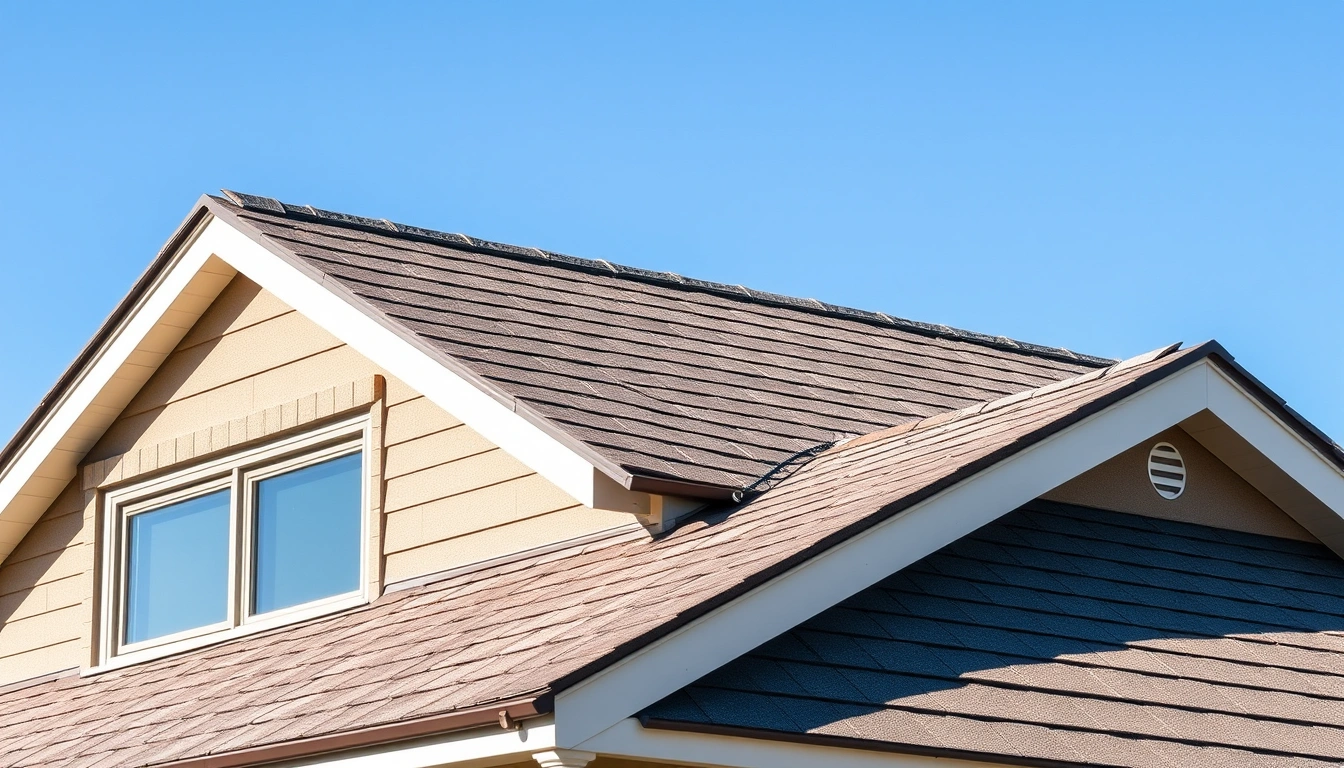
shingle repair Boise: What Actually Works Before Replacing
⏱️ 8 min read · Last updated: 2026
- Typical spot shingle repair cost in Boise is commonly about $250–$800 per section, depending on roof pitch, access, and matching difficulty.
- Most asphalt shingle roofs last about 15–30 years in Idaho climate, but south-facing slopes can age faster under Boise UV exposure and freeze-thaw cycles.
- A practical granule loss threshold is when bald areas cover roughly 25% or more of a shingle, or granules collect heavily in gutters after storms.
- A small missing-shingle repair can often be completed in 1–3 hours if underlayment is intact and the surrounding shingles are not brittle.
- Shingle matching is easiest with newer roofs such as GAF Timberline, and hardest when a roof is 10+ years old and weathered unevenly.
A neighbor in Boise once paid to “fix a leak” and got a whole different problem: three loose shingles, two exposed nails, and a stain that kept spreading after every thaw. That is the part most people miss with shingle repair Boise. The broken piece is rarely the whole issue.
What matters is whether the roof still has enough life left for a spot repair to blend in and stay sealed. I have seen a $325 patch hold for years on one side of a house and fail in one season on another, mostly because the second roof was already brittle from UV degradation and repeated freeze-thaw movement.
A good repair is not the shingle you replace; it is the edge seal, nail placement, and color match that keep the surrounding row from failing next.
How spot repair actually works in Boise weather
Spot repair works when the damage is isolated and the rest of the roof is still flexible enough to seal properly. In Boise, that usually means a missing shingle, a lifted tab, or a small cluster of cracked shingles on one slope, not widespread curling or heavy granule loss.
The reason Boise roofs fail a little differently is simple: high UV exposure dries out asphalt shingle binders, and freeze-thaw cycles open tiny cracks that let water in. Boise’s dry heat can fool people into thinking the roof is “fine” because it is not dripping today, but the damage often shows up after snow melt or one wind event.
| Repair sign | Usually repairable? | What to look for |
|---|---|---|
| 1–3 missing shingles | Yes | Deck is dry, underlayment intact, edges still flexible |
| Localized cracking | Often | Damage in one area, not across the whole slope |
| Widespread curling | Sometimes | Only if the roof is otherwise young and well fastened |
| Heavy granule loss | Usually not ideal | Bald patches, gutters full of grit, exposed fiberglass |
If you want the roof to last, the repair has to start under the damaged shingle, not just on top of it. That means checking the nail line, lifting adjacent tabs carefully, and making sure the replacement piece can slide under the course above without tearing. For broader help with storm or age-related damage, see roof repair Boise.
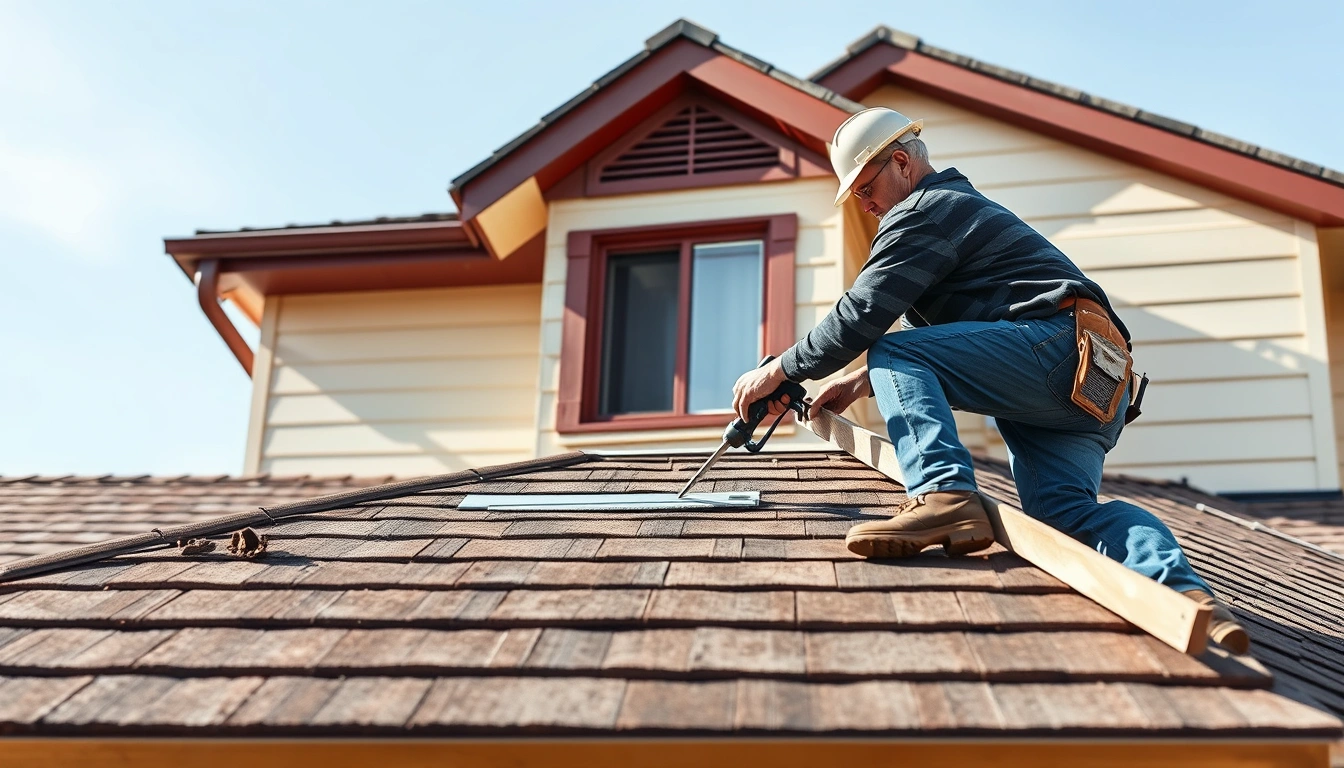
How do I replace a few missing shingles on my Boise roof?
Replace a few missing shingles by sliding in a matching asphalt shingle, fastening it with roofing nails, and sealing the tabs so wind cannot lift the new piece. The work is straightforward when the roof is dry, the shingles are not brittle, and the surrounding row is still sound.
Here is the practical version, not the showroom version. You need enough working space to lift the shingle above the missing area, and you need a replacement piece that fits the existing exposure. On many Boise roofs, the repair fails because the new shingle is slightly too stiff, not because the installer missed a nail.
- Check the full damage zone. Look 2–3 rows above and below the missing spot. Check for cracked tabs, popped nails, and soft decking. Do not repair only the visible hole if the surrounding course is already failing.
- Match the exposure. Measure the height of one visible shingle course before buying anything. Check that the replacement shingle can cover the same exposure. Do not force a mismatch; the row will look crooked.
- Lift the upper course carefully. Use a flat pry bar to loosen the adhesive strip. Check that the shingle above flexes without breaking. Do not yank on brittle tabs in cold weather.
- Slide the replacement piece in place. Align the edges with the neighboring shingles and make sure it sits flat. Check for a flush fit at both sides. Do not leave a raised corner that will catch wind.
- Nail in the correct zone. Place nails just above the cutout line or in the manufacturer’s recommended nail strip. Check that nail heads are flush, not overdriven. Do not nail too high, where the fastener misses the secure layer.
- Seal the tabs. Use roofing cement sparingly under lifted edges. Check that the adhesive point is small and hidden. Do not smear cement across visible surfaces; it traps dirt and looks sloppy.
If a repair area is near the eave, gutter line, or valley, the job becomes more sensitive because water moves faster there. That is also where hidden flashing issues show up. If the roof edge is already wetting out, schedule gutter repair Boise at the same time so the new shingles are not taking overflow from a clogged edge.
A properly replaced missing shingle should sit within about 1/8 inch of the surrounding surface and leave no lifted tab at the windward edge.
Do curling shingles mean I need a whole new roof in Idaho?
No, curling shingles do not automatically mean a whole new roof in Idaho. They mean the roof is aging, drying out, or losing adhesion, and the real question is whether the curling is isolated or happening across multiple slopes.
This is where people overspend. A single curled shingle at the ridge or one chimney corner can often be repaired if the rest of the roof still lies flat. But if curling shows up in broad patches, especially on a roof exposed to strong Boise UV on the south and west sides, the roof is usually entering the last stretch of its life.
| Observation | What it usually means | Typical next move |
|---|---|---|
| One or two curled tabs | Localized wind or heat stress | Repair and monitor |
| Multiple curled rows on one slope | Aging adhesive and UV degradation | Targeted repair only if other areas are sound |
| Curling plus bald spots | Advanced wear | Get a replacement estimate |
| Curling with brittle breaks | Roof material is past easy repair | Plan for partial or full replacement |
Most asphalt shingle roofs in Idaho last about 15–30 years, but that range tightens fast when attic heat is poor or the roof gets full sun all day. I have seen roofs that looked “fine” from the street and were too brittle to repair without cracking more shingles during the lift. For a local cost baseline, the roof repair cost Boise page is useful when you are comparing patch work to larger fixes.
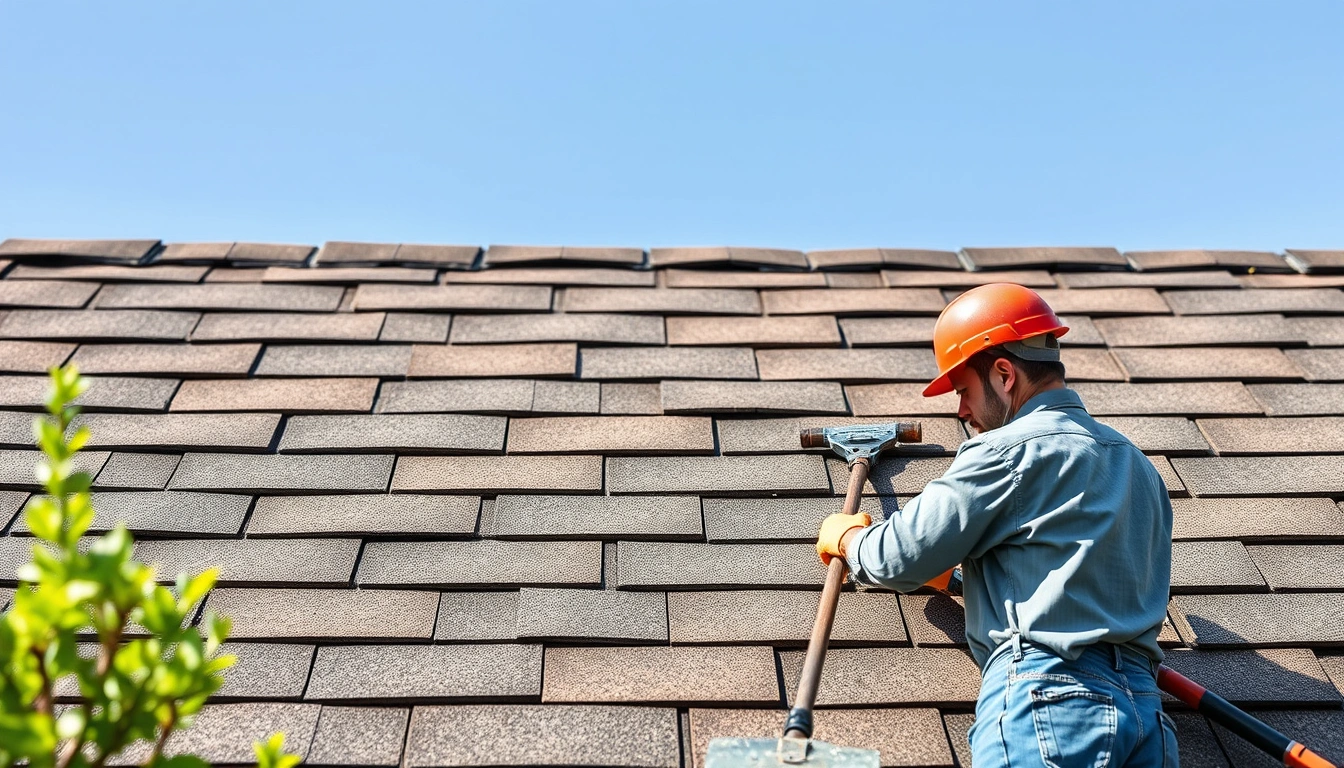
Can you match new shingles to an old Boise roof?
Yes, you can sometimes match new shingles to an old Boise roof, but perfect shingle matching is rare once the existing roof has weathered for several seasons. The trick is not just color; it is thickness, texture, and how much the old roof has faded under Boise sun.
Matching is easiest when the roof still has a recent product line such as GAF Timberline and the damaged area is small. It gets harder with older shingles because the original color has shifted, the granules have worn, and the replacement shingle has not been through the same UV degradation. New shingles often look “too clean” for the first few months.
What looks right versus what looks off
The right match usually blends at arm’s length from the street, not at three inches from the ladder. The wrong match stands out as a darker or shinier patch, a different shadow line, or a thickness mismatch that makes the repaired row look wavy.
- Good match: similar shadow line, similar granule color, flat lay, and no lifted edge at the seam.
- Bad match: sharp color contrast, obvious sheen, or a replacement shingle that sits higher than the row beside it.
- Best compromise: replace a few shingles from a less visible slope and use the removed older shingle on the most visible side if the pieces are still usable.
One honest lesson from years of roof repairs: I have seen homeowners reject a repair because the shingle looked a little different on day one, then accept it six months later because weather toned it down. That is normal. If the difference is huge on day one, though, it will still bother you after the first rain. Boise roof repair statistics can help you judge whether you are in a repair-heavy part of the season or a full-replacement season.
The best shingle matching usually gets within the same product family, not the exact same year of fade.
Before vs. after: what good shingle repair Boise actually looks like
Good shingle repair Boise looks boring, and that is the point. A repaired section should sit flat, follow the same line as the surrounding courses, and disappear from normal street view unless you know exactly where to look.
Bad repair is easy to spot because it creates a small visual mistake that becomes a water problem later. The lifted corner catches wind, the nail head flashes in sunlight, or the replacement piece sits crooked enough that the row breaks the roof’s pattern.
| Detail | Good repair | Poor repair |
|---|---|---|
| Shingle surface | Flat and aligned | Raised, buckled, or wavy |
| Nails | Hidden and flush | Visible, overdriven, or exposed |
| Seal line | Small and tucked under | Smears on the face of the shingle |
| Color match | Close enough from street view | Obvious bright patch or dark block |
The visual test I use is simple: stand where the driveway meets the street and look at the repaired slope for 10 seconds. If your eye catches one edge every time, the repair is too obvious or the course is wrong. If the patch disappears in the roof pattern, the repair was done with the right exposure and fastening.
The detail everyone gets wrong
The detail everyone gets wrong is assuming granule loss is cosmetic. It is not. Granule loss is often the first visible sign that an asphalt shingle has stopped protecting the mat underneath, especially on Boise roofs that take hard afternoon sun.
Granules are the roof’s armor. When a shingle loses enough of them, the surface heats faster, dries faster, and wears faster. A practical threshold is when about 25% or more of the visible surface looks bald, or when gutters collect a fresh layer of grit after normal rain. That is the point where spot repair starts to become a short timer instead of a fix.
If granule loss is heavy enough to expose fiberglass or create bald streaks, the roof is no longer just aging; it is actively losing its protective layer.
That is also why gutter checks matter. Granules wash to the lowest point, so the first clue is often in the gutter, not on the roof face. A clean roof edge with full gutters is not a good sign. It usually means the material has already shed its top layer and the debris has nowhere else to go.
One more thing: cold-weather repairs are trickier than most people expect. In Boise, a shingle that flexes at 70 degrees can crack at 35 degrees, which means a “small fix” in November can turn into a larger tear if someone works too fast. That is why timing matters as much as material.
What good timing and fair pricing look like in 2026
In 2026, fair pricing for shingle repair Boise is usually tied to access, pitch, and how much of the surrounding area has to be disturbed. The same missing shingle can cost very little on a low-slope back roof and much more on a steep front slope with bad access.
For most homeowners, the real decision is not “repair or not.” It is whether the roof can absorb another 2–5 years of service from a patch, or whether the next storm will force you back onto the ladder. If the roof has several brittle areas, matched repairs become harder and more expensive because every fix risks cracking more shingles.
| Situation | Typical response | Why |
|---|---|---|
| One isolated missing shingle | Repair now | Low cost, low disruption, good chance of a clean match |
| Several damaged shingles in one area | Repair and inspect surrounding slope | May hide flashing or underlayment issues |
| Wide curling with granule loss | Get replacement estimate | Repair may not last long enough to justify labor |
| Old roof with repeated leaks | Plan for larger work | Patch work usually becomes repeat work |
The cleanest rule is this: if the roof still has flexible shingles, solid underlayment, and only a few damaged sections, repair makes sense. If you can hear shingles crack while someone walks carefully on the roof, you are already near the edge of repair territory. That is the honest cutoff most estimates do not say out loud.
One estimate seen often in Boise for this kind of work lands around a few hundred dollars per section, not per roof. That is why comparing small repair quotes against replacement quotes matters so much. Roof repair should solve a problem, not buy you one more season of uncertainty.
- Spot repair works best when the damage is isolated and the shingles still flex without cracking.
- Boise UV and freeze-thaw cycles shorten the useful repair window, especially on south- and west-facing slopes.
- Granule loss around 25% or more on a shingle is a strong warning sign that repair may not last long.
- Good shingle matching depends on age, fade, and product family, not just “the same color.”
Common Questions About shingle repair Boise
What causes shingles to curl and crack on Boise roofs?
Boise roofs curl and crack mainly from UV degradation, attic heat, age, and freeze-thaw movement. Asphalt shingle binders dry out, then the tabs lose flexibility. If curling is limited to one area, repair can still make sense. If it spans multiple slopes, the roof is aging out.
How to replace a missing shingle step by step?
Lift the upper course, remove any exposed nails, slide in a replacement asphalt shingle, fasten it in the correct nail zone, and seal the tabs with roofing cement. The deck must be dry and the surrounding shingles flexible. In cold weather, brittle shingles crack easily, so work slowly.
Spot shingle repair vs partial re-roof — which is better?
Spot repair is better when the damage is isolated and the roof still has life left. Partial re-roofing is better when one slope has widespread curling, cracking, or heavy granule loss. If the shingles crack during a careful lift, repair is usually the wrong economic move.
Why do my new shingles look different from the old ones and how to fix it?
New shingles look different because old shingles have faded, shed granules, and changed texture under Boise sun. The best fix is matching by product family and age, then placing the repair on a less visible slope when possible. Perfect color matches are uncommon on older roofs.
How much does shingle repair cost per square in Boise?
Small shingle repairs in Boise are commonly priced per damaged section, often about $250–$800 depending on pitch, access, and materials. A full square is a different job entirely, so compare the quote by section and not just by roof size. Complex matching can push the price higher.
Can you match new shingles to an old Boise roof?
Yes, but only well enough in many cases, not perfectly. Matching works best when the old roof is newer, the product is still common, and the repair is small. Older roofs with strong fading, especially in Boise sun, usually need the closest visual match rather than an exact one.
The Bottom Line
shingle repair Boise is worth doing when the roof still has flexibility, the damage is limited, and the match will blend without creating a new weak point. It is usually not worth forcing a patch onto a roof that is already brittle, heavily curled, or shedding granules across multiple slopes. The best next step is simple: inspect one damaged area in daylight, then decide whether the rest of the roof still looks repairable from the same slope.
Pick one thing from this article and try it this week, not all of it. If you want the bigger cost-and-timing picture for the rest of the house, start with the main Roof Repair in Boise, ID: Costs, Common Fixes & When to Call a Pro page and compare the repair to the roof’s remaining life.
External references: the NRCA and GAF both note that roof performance depends heavily on installation quality, ventilation, and material condition, not just age alone. See nrca.net and gaf.com for manufacturer and trade guidance.
See also: roof repair Boise
See also: roof repair cost Boise
See also: Boise roof repair statistics
Related: TPO patch repair
Related: chimney flashing repair
Leave a Reply