
roof leak repair Boise: Costs, Causes, and What to Check First
⏱️ 9 min read · Last updated: 2026
- Typical roof leak repair cost in Boise: about $300–$1,500 for a common localized repair, with complex repairs often higher.
- Detection service fee: many Boise roofers charge a separate inspection or leak-trace fee of about $75–$250, and some roll it into the repair if you hire them.
- Most leak diagnoses start in the attic inspection, because water often enters 6 to 20 feet away from the ceiling stain.
- Valley, flashing, chimney, and pipe boot details are among the most common leak points in steep-slope roofs.
- A fast temporary dry-in or emergency patch can often be completed in 1 to 3 hours, while a permanent repair may take a half day or longer.
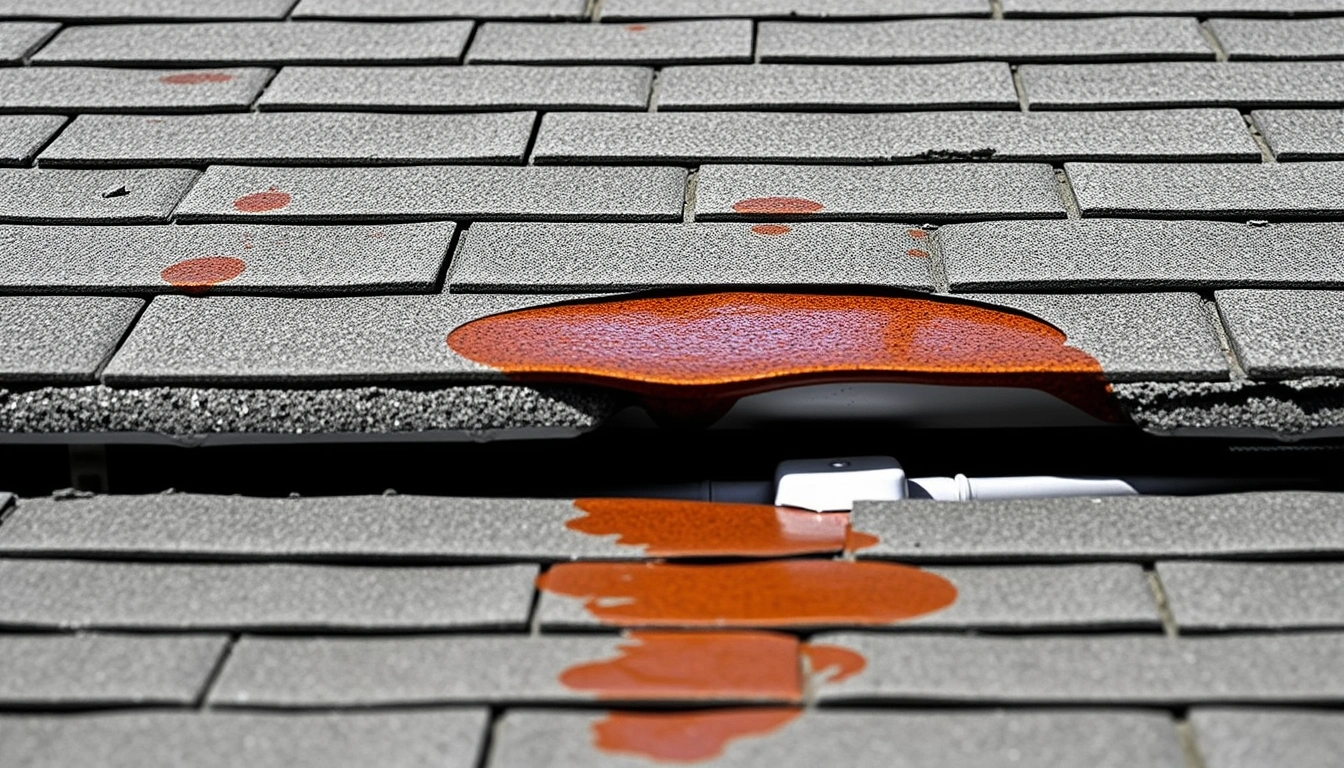
A small attic water stain can hide a much larger problem above it. In roof leak repair Boise, I have seen a single brown ring on drywall turn out to be a cracked vent boot, failed flashing, and soaked underlayment all in one repair.
The tricky part is that water rarely travels straight down. It runs along rafters, nails, or the underside of decking, which is why the spot indoors is often not the roof opening outdoors.
That mismatch matters because the wrong fix wastes a weekend and a few hundred dollars. One Boise inspection I reviewed quoted $175 for leak tracing, then found the leak 12 feet uphill from the visible stain near a valley seam.
How roofers find where a roof leak is coming from in Boise?
Roofers find the source by starting inside the house, then tracing uphill to the first place water could enter. The attic inspection usually reveals wet sheathing, stained nail tips, compressed insulation, or daylight at a failed seam before anyone touches the shingles.
The fastest diagnosis is not a hose test on the whole roof. It is a tight visual path from the attic water stain to the roof feature above it, then a short exterior check of flashing, valley lines, and penetrations.
What good tracing looks like
Good tracing follows a pattern, not a guess. The key is to compare the stain shape, the wood discoloration, and the roof geometry together.
| Clue inside | Most likely outside source | What to check first |
|---|---|---|
| Brown ring near a chimney | chimney leak repair area | Step flashing, counterflashing, mortar gaps |
| Stain under two roof planes | valley leak | Debris, exposed fasteners, worn sealant |
| Stain below a vent pipe | boot or flashing leak repair area | Cracked rubber boot, loose collar, nails |
| Stain near an exterior wall | wall flashing or step flashing | Lifted shingles, bent metal, missing seal |
A leak trace is usually a 20-minute investigation plus roof access, not a full-day mystery hunt.
boise roof repair statistics can help you understand how common leak-related service calls are across the area, but the roof still has to be traced one feature at a time.
How the leak source maps to the right repair
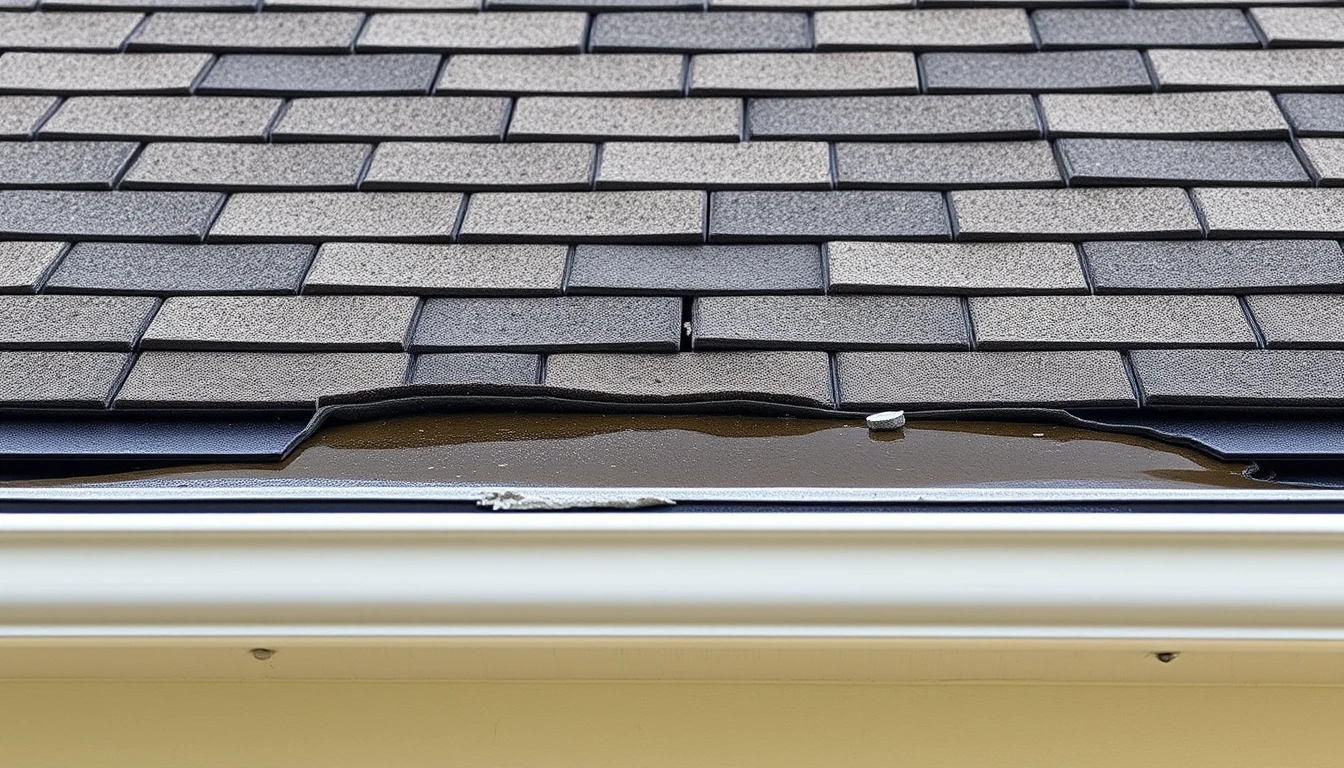
The repair should match the source, not the symptom. A ceiling stain might need flashing leak repair, while a ridge stain could point to underlayment failure or a valley seam that sheds water incorrectly.
That is why two leaks with the same interior stain can need totally different work. One may need a $40 boot and an hour of labor. Another may need section replacement around the valley, chimney, or pipe stack.
- Flashing leak repair: Used when metal flashing has lifted, cracked, or separated from shingles or masonry.
- chimney leak repair: Often means step flashing, counterflashing, and sealant at the chimney crown.
- valley leak: Often requires clearing debris, resealing, or replacing damaged shingles and metal in the valley.
- underlayment issue: More likely when shingles look fine but water still shows up indoors.
| Source | Correct repair | Common mistake | Typical time |
|---|---|---|---|
| Flashing | Reset or replace metal, then seal to spec | Caulking over a failed seam only | 1–3 hours |
| Chimney | Repair step flashing and counterflashing | Patching mortar alone | Half day |
| Valley | Remove debris, replace damaged sections | Adding sealant to wet debris | 2–5 hours |
| Underlayment | Open roof area and replace damaged layers | Only replacing visible shingles | Half day to 1 day |
When the shingles look fine but the leak continues, the problem is often hidden metal or membrane, not the top layer.
roof repair cost Boise is easiest to estimate after the source is known, because a loose boot and a rotten valley board are not priced the same way.
Should I repair a roof leak myself or hire a Boise pro?
Repair it yourself only when the source is obvious, low-risk, and reachable from the ground or a stable ladder. Hire a Boise pro when the leak involves steep slopes, chimney work, valleys, electrical fixtures, or anything that requires opening the roof surface.
My rule is simple: if you can see the failure from the attic or from a low-slope edge, you may be able to make a temporary stopgap. If the roof needs lifting, cutting, or structural judgment, a pro is the safer call.
A practical decision tree
- Check the attic inspection first. What to check: wet wood, active dripping, and the roof feature above the stain. What not to do: patch the ceiling before tracing the source.
- Look for a single obvious source. What to check: cracked boot, missing shingle, popped nail, or open seam. What not to do: assume every stain means a new roof.
- Judge the height and slope. What to check: whether you can stand safely and work hands-free. What not to do: step onto a wet or icy roof.
- Check the material age. What to check: roofs near the end of their service life often need more than a spot repair. What not to do: keep sealing brittle shingles that keep splitting.
- Estimate the risk of hidden damage. What to check: insulation saturation, mold smell, or ceiling sag. What not to do: ignore water that has reached drywall seams.
- Choose temporary or permanent work. What to check: whether a dry-in will hold until a full repair can be scheduled. What not to do: confuse emergency patching with a permanent fix.
The hiring decision is not just about cost. It is about limiting the area that gets wet while making sure the same leak does not come back in the next storm.
emergency roof repair Boise is the right move when water is active, daylight is visible through the deck, or a storm has ripped flashing loose.
Why does my roof leak in one spot but the shingles look fine?
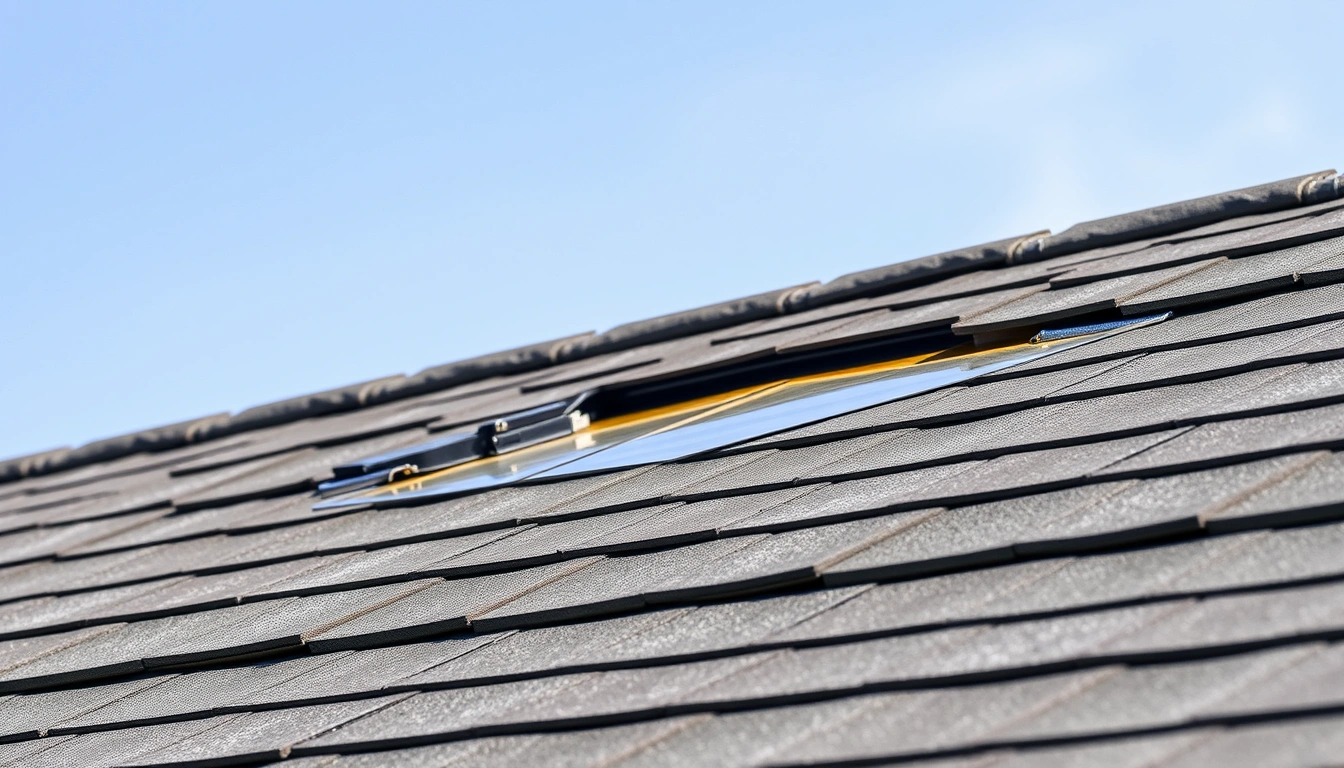
Because the leak often starts under the shingles, not through them. The top layer can look perfect while the flashing, underlayment, valley, or fastener line has failed underneath.
That is especially common around penetrations and intersections. Water follows gravity and surface tension, so it can move sideways before it drops through drywall.
A roof can leak 10 to 15 feet away from the visible ceiling stain, especially when water is traveling along rafters or roof decking.
Where hidden leaks usually start
- Below a chimney where step flashing has separated.
- In a valley where debris traps water and slows runoff.
- Around pipe boots that have cracked from sun exposure.
- At wall lines where step flashing was never installed correctly.
- Under old underlayment that no longer sheds water.
The visible shingles can stay clean because the failure is under them. That is why a roof with no obvious damage can still produce an attic water stain after a hard Boise rain or snow melt.
The correct way to trace a leak step by step
The correct way to trace a leak is to start inside, map the path uphill, and inspect the exact roof feature that sits above the first wet point. This takes a flashlight, patience, and a refusal to chase the stain instead of the source.
Here is the process I trust most in roof leak repair Boise when the problem is not obvious from the ground.
- Inspect the attic in daylight if possible. What to check: wet sheathing, rusted nails, mold odor, and insulation compression. What not to do: assume the driest-looking area is the only problem.
- Mark the first wet point. What to check: the highest point of staining on the deck. What not to do: chase the darkest stain lower down.
- Match that point to the roof layout. What to check: valleys, chimneys, vents, skylights, and wall transitions. What not to do: inspect random roof sections first.
- Check the underside of the roof deck. What to check: trails, nail lines, and water tracks. What not to do: scrape or cut healthy materials just to “see more.”
- Verify the exterior detail above the mark. What to check: lifted shingles, cracked sealant, bent flashing, or broken seams. What not to do: rely on caulk alone if metal has failed.
- Confirm with a controlled water test only if needed. What to check: one section at a time, low pressure, short duration. What not to do: flood the roof or spray multiple areas at once.
- Repair the source and dry the area. What to check: airflow, insulation replacement if saturated, and a recheck after the next rain. What not to do: close the attic before the wood is dry.
For homeowners comparing repair scenarios, roof repair Boise is a useful starting point because the fix changes fast once the leak source is confirmed.
Before vs. after: what good roof leak repair Boise actually looks like
Good roof leak repair Boise looks boring after the storm. The stain stops growing, the attic wood dries, and the repaired detail matches the roof around it instead of standing out as a blob of sealant.
Bad repairs usually look fast. They leave extra caulk, mismatched shingles, bent metal, or a patched area that still channels water into the same spot.
| What you see | Good repair | Bad repair |
|---|---|---|
| Flashing | Metal is tucked, aligned, and sealed cleanly | Heavy caulk smears and exposed gaps |
| Shingles | Courses remain level and weather-tight | Lifted tabs or wavy lines around the patch |
| Attic | Dry wood, no fresh staining after rain | Moisture returns in the same zone |
| Cleanup | Debris removed, nails cleared, gutters checked | Old sealant, shingle scraps, and loose nails left behind |
The visual test is simple. Stand back and look at the roof line: the fix should blend in, shed water, and keep the valley or flashing geometry intact.
If the repair is obvious from the driveway, it is often a patch, not a durable fix.
One honest lesson from years of seeing repairs age badly: the cheapest quote can become the expensive one if it skips the hidden layer. A $220 surface patch may fail, while a $950 flashing repair can hold for years.
The detail everyone gets wrong
The detail everyone gets wrong is the transition layer. People focus on the shingle, but the leak usually starts where metal, membrane, and wood meet at a valley, chimney, or wall.
That is why underlayment and flashing matter so much. They are the real water management system under the visible roof surface.
A Boise roof that faces freeze-thaw cycles and wind-driven rain needs clean transitions more than heavy sealant. Sealant ages, cracks, and shrinks. Proper flashing geometry sheds water without depending on caulk to do the whole job.
- Check for lifted edges where flashing meets shingles.
- Look for nail heads placed where water flows.
- Inspect valleys for leaf buildup after storms.
- Confirm that the chimney cap and counterflashing overlap correctly.
- Replace brittle boots before they split open.
The most common mistake is treating the roof as one flat system. It is not. It is a collection of intersections, and the weakest intersection usually wins.
What roof leak repair usually costs in 2026
Most roof leak repair Boise jobs cost about $300–$1,500 when the issue is localized and accessible. Repairs that involve a chimney, valley, or damaged underlayment can move above that range because more material has to be opened and rebuilt.
That price spread is normal. A small boot replacement is not the same job as a section rebuild around flashing or a saturated valley.
| Repair type | Typical 2026 cost | Typical timeline |
|---|---|---|
| Minor seal or boot repair | $300–$650 | 1–3 hours |
| Flashing leak repair | $450–$1,200 | Half day |
| chimney leak repair | $700–$1,800 | Half day to 1 day |
| valley leak repair | $600–$2,000+ | Half day to 1 day |
The bill rises when access is hard, layers are wet, or the repair requires removing more roof surface to reach the failed area. Winter calls can also cost more if a temporary dry-in is needed first.
emergency roof repair Boise is worth the premium when the leak is active, because one day of delayed water intrusion can damage drywall, insulation, and trim.
Common Questions About roof leak repair Boise
What are the most common causes of roof leaks in Boise homes?
The most common causes are failed flashing, cracked pipe boots, valley debris, and aging underlayment. Chimneys and roof penetrations are especially common trouble spots because water can enter at a seam and travel before it reaches the ceiling stain.
How to trace a roof leak to its source step by step?
Start in the attic inspection, mark the highest wet point, and map that point to the roof feature directly above it. Then inspect flashing, valley lines, vents, and chimneys. If the source is still unclear, use a controlled water test on one section at a time.
Interior water stain vs active drip — which is more urgent?
An active drip is more urgent because water is entering right now and can spread into insulation, drywall, and wiring. A dry attic water stain still needs attention, but it usually gives you a little more time to trace the source before the next storm.
Why is my roof still leaking after a repair and how to fix it?
The most common reason is that the repair treated the symptom, not the source. Caulk over failed flashing, hidden underlayment damage, or a second leak point nearby can all make a roof keep leaking. The fix is a fresh attic inspection and a source-first diagnosis.
How much does professional roof leak repair cost in Boise?
Professional roof leak repair in Boise commonly runs from about $300 to $1,500 for a localized repair, with harder chimney, valley, or underlayment jobs costing more. Leak detection alone often adds a separate $75–$250 inspection fee unless it is credited toward the repair.
Should I repair a roof leak myself or hire a Boise pro?
Repair it yourself only for a small, obvious, low-risk issue like a loose shingle tab or a visible boot crack on a safe slope. Hire a Boise pro for chimney, valley, flashing, steep-slope, or active leaks, because the wrong move can turn a small repair into interior damage.
- roof leak repair Boise works best when you trace the source first and match the repair to the exact roof detail.
- Most localized repairs commonly land around $300–$1,500, while detection often adds a separate $75–$250 fee.
- Flashing, underlayment, valley, and chimney details cause many leaks even when shingles look fine.
- An attic inspection is the fastest way to separate a small patch from a repair that needs real roof opening.
The Bottom Line
For roof leak repair Boise, the smartest move is not to guess from the ceiling stain. Start with the attic inspection, identify whether the source is flashing, a valley, a chimney, or underlayment, and then choose the smallest repair that actually reaches the leak.
Pick one thing from this article and try it this week, not all of it, just one: take a photo of the attic stain and note the roof feature above it. If you want the broader cost and timing context, go back to the pillar on Roof Repair in Boise, ID: Costs, Common Fixes & When to Call a Pro.
See also: roof repair Boise
See also: roof repair cost Boise
See also: emergency roof repair Boise
Related: shingle repair Boise
Related: flat roof repair Boise
Related: roof flashing repair Boise
Leave a Reply