
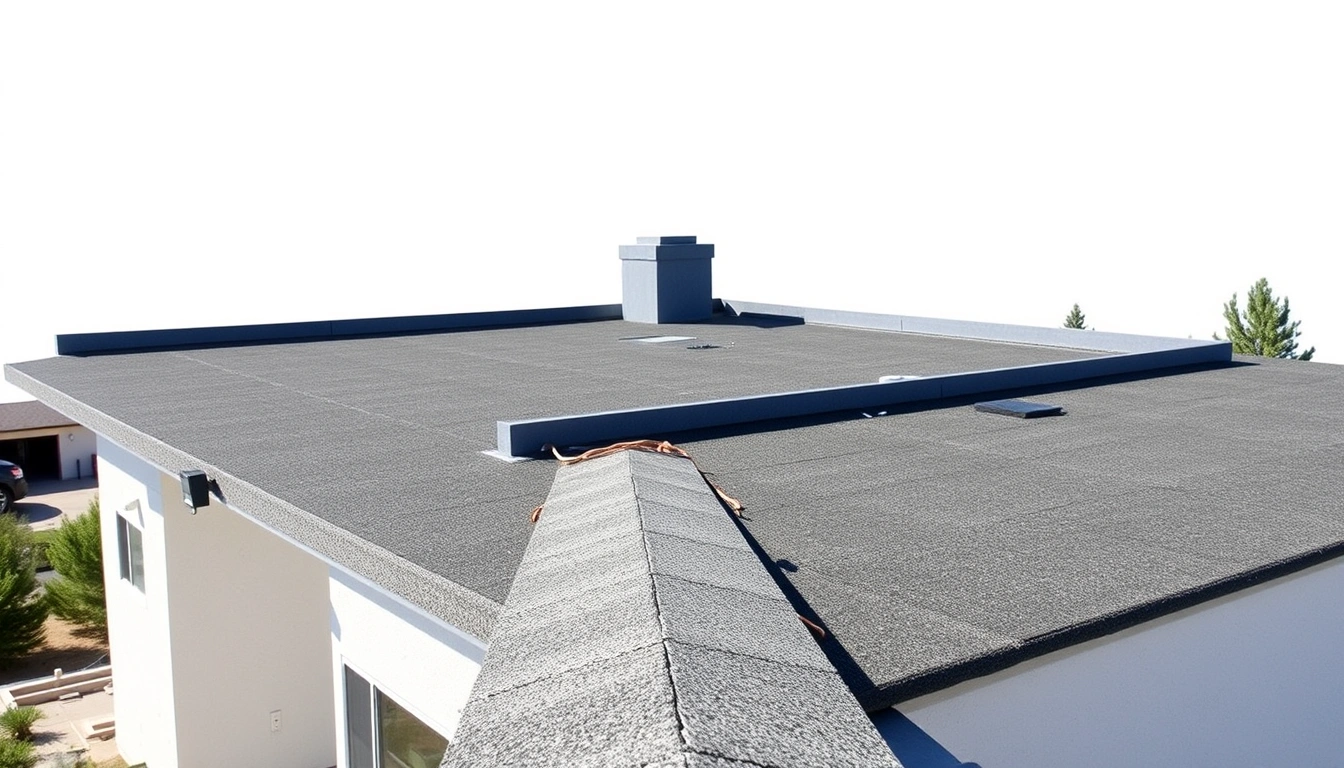
flat roof repair Boise: Costs, Patches, and Ponding Fixes
⏱️ 8 min read · Last updated: 2026
- Typical flat roof repair cost in Boise: commonly about $300 to $1,500 for small-to-moderate localized repairs, with bigger membrane work often costing more.
- Membrane patch cost: a simple TPO patch repair or EPDM leak repair commonly starts around $250 to $700 when the damaged area is small and accessible.
- Ponding water tolerance spec: many low slope roof standards treat water that remains on a roof for more than 48 hours after rain as ponding water.
- A membrane patch that is properly cleaned, primed when required, and rolled down tightly usually takes 1 to 3 hours for one small repair area.
- Boise snow and freeze-thaw cycles can reopen weak seams, so a repair that looks fine in summer can fail if the drainage problem is not fixed too.
A flat roof in Boise does not fail the same way a shingle roof does. It usually starts with a seam, a drain, or a spot where ponding water sat long enough to soften the membrane.
That is why flat roof repair Boise is less about “patch the hole” and more about fixing the conditions that created the hole. I have seen a $400 patch hold for years on a dry, well-sloped section, while a similar patch failed in one winter because meltwater kept collecting at the same corner.
Boise’s freeze-thaw swing changes the game. Water sneaks into a tiny opening, freezes overnight, expands, and turns a hairline flaw into a visible leak stain by morning.
How flat roof repair actually works in Boise
Good flat roof repair Boise starts with finding the water path, not the stain. The stain is often ten feet away from the leak, because water follows the membrane, the deck, or insulation before it shows up inside.
The repair itself depends on the membrane, the seam condition, and whether the roof is truly low slope roof or nearly flat. On Boise commercial roofs, the first thing I check is whether the drain is carrying water away fast enough after a hard rain or snowmelt.
A roof can look “fine” and still be failing if water sits longer than 48 hours after a storm.
What the repair technician should actually look for
- Open seams on TPO or cracked flashings on EPDM.
- Soft spots that suggest wet insulation under the membrane.
- Drains, scuppers, and gutters packed with grit or ice.
- Patches that lifted at the edges because they were installed on a dirty surface.
The key here is the edge of the membrane — notice how a weak repair usually fails at the first 1/4 inch of lift. That is what separates a short-term patch from a repair that survives a Boise winter.
| Repair issue | What you usually see | Typical fix |
|---|---|---|
| Open seam | Thin split along a factory weld or lap | Clean, prime if needed, then re-seal or patch |
| Puncture | Round hole from foot traffic or debris | Patch with proper overlap and roller pressure |
| Ponding water | Standing water after 48 hours | Improve drainage, add taper, or rework the low spot |
| Wet insulation | Spongy area, bubbling, or repeated leaks | Remove damaged section and rebuild the area |
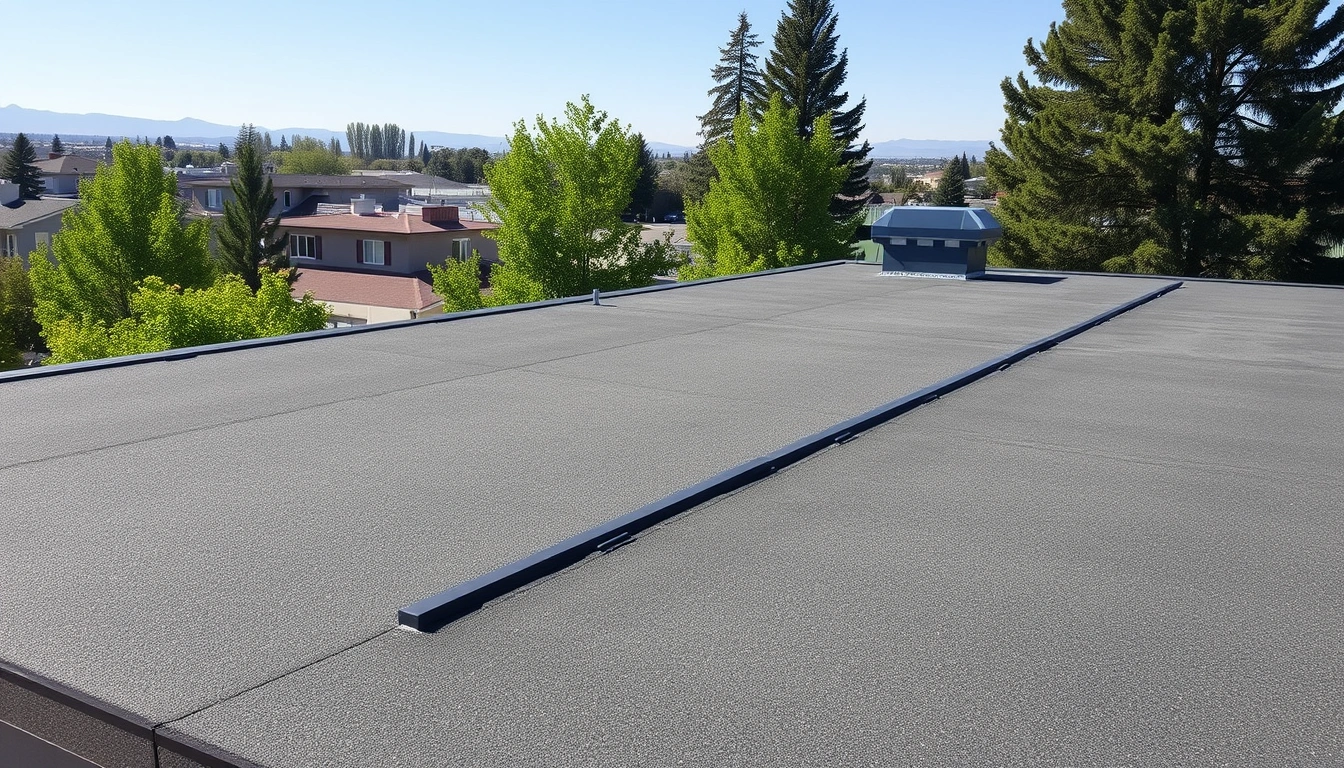
How do you repair a leaking flat roof in Boise?
You repair a leaking flat roof in Boise by tracing the wet path, exposing the damaged membrane, and building a patch that overlaps clean, dry material on all sides. If the substrate is wet, the patch is temporary at best.
For a TPO patch repair, the surface has to be clean enough for heat welding or manufacturer-approved tape to bond. For EPDM leak repair, the rubber usually needs cleaning, primer, and a patch that is rolled firmly from the center outward.
- Find the leak source from the roof side if possible. Check seams, penetrations, and drain edges first. Do not chase the stain inside first, because that usually wastes time.
- Mark a repair area that extends past visible damage. Check that the patch covers sound membrane, not just the hole. Do not cut a patch the same size as the damaged spot.
- Dry the surface completely. Check for trapped moisture, dew, or frost. Do not patch over a damp roof in Boise after a cold morning.
- Prepare the membrane exactly as the product requires. Check whether the system is TPO, EPDM, or another membrane. Do not assume one adhesive or tape works on every roof.
- Install the patch with proper overlap and pressure. Check the edges for full contact and no fishmouths. Do not leave corners loose.
- Seal the perimeter and inspect the repair after the next rain. Check for new staining, edge lift, or bubbling. Do not declare victory until the roof has been tested by weather.
If you need outside context before calling someone, review roof repair Boise for the broader repair categories that typically show up in the city.
A properly sized membrane patch usually overlaps the damaged area by several inches on every side; tiny “skinny” patches fail early.
Why does my flat roof pond water and how is it fixed in Idaho?
Flat roof ponding happens when the roof has insufficient slope, blocked drainage, or a low spot created by settling or aged framing. In Idaho, snowmelt makes the problem more obvious because it adds slow, steady water that exposes weak drainage immediately.
The fix depends on the cause. A clogged drain needs cleaning. A sagging area may need tapered insulation, a new cricket, or a local rebuild. A roof with repeated ponding in the same spot usually needs a structural or design correction, not another surface patch.
| Ponding cause | What it looks like | Best fix | Typical urgency |
|---|---|---|---|
| Clogged drain | Water backs up near one outlet | Clean drain and downspout path | Immediate |
| Low spot | Shallow basin that never fully dries | Tapered insulation or re-slope area | High |
| Deflection | Roof dips under weight | Structural review and repair | High |
| Improper flashing | Water enters at edges or parapets | Rework flashing and termination | Immediate |
Boise snow load matters here because snow does not just melt once. It cycles. Meltwater runs, refreezes at the edge, and can trap more water behind it, which is why a small drainage flaw becomes a repeat leak.
According to the U.S. General Services Administration’s roof drainage guidance and common low-slope roofing practice, ponding water is generally treated as water that remains after 48 hours. That benchmark is useful because it separates a normal wet roof from a roof that is holding water too long. See also the National Roofing Contractors Association guidance on drainage principles for low slope roof systems.
If the same flat roof still holds water two days after a storm, the problem is usually slope, drainage, or both.
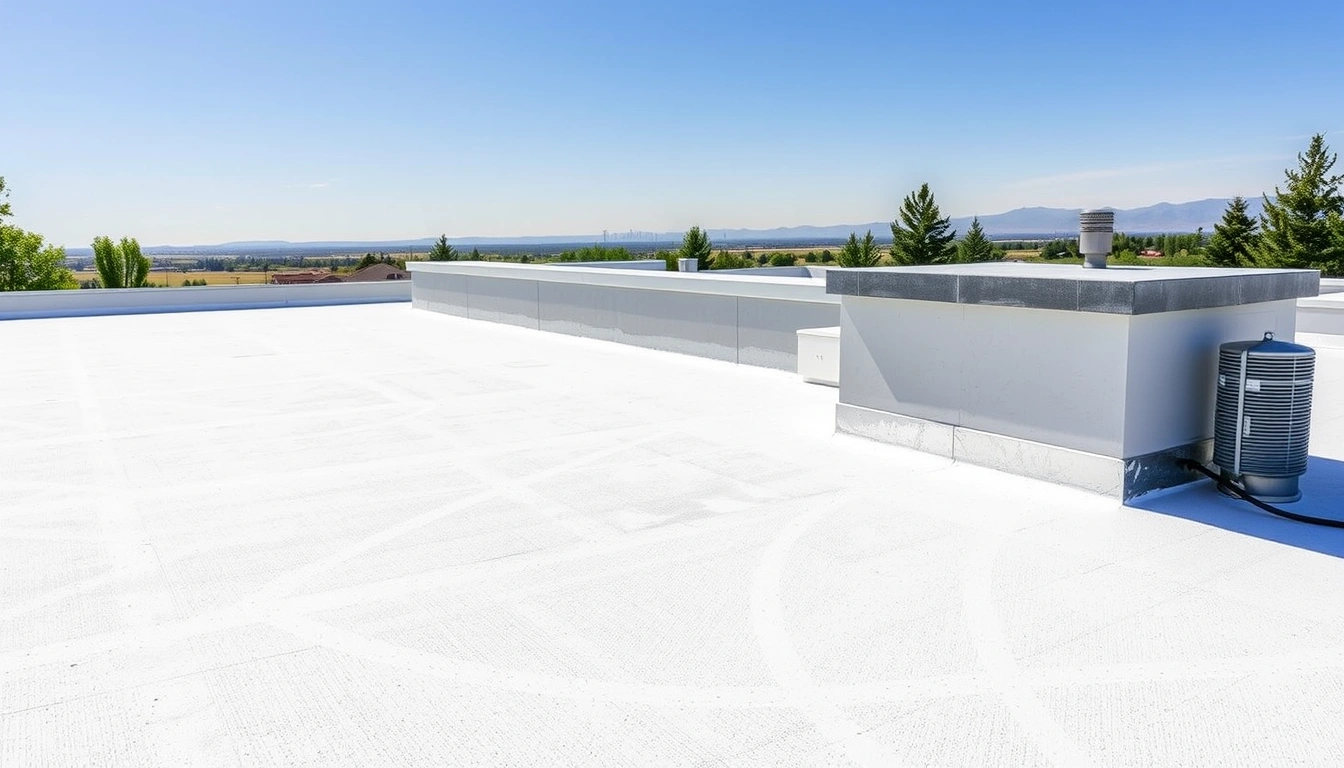
TPO patch repair vs. EPDM leak repair: which one is simpler?
TPO patch repair is usually more straightforward when the seam is accessible and the surface is clean. EPDM leak repair is often more forgiving on the material side, but it depends heavily on proper cleaning and primer, because dirty rubber is a bad bond waiting to happen.
In Boise, I see TPO more often on newer commercial buildings and EPDM more often on older low slope roof sections and some additions. The material matters because the repair method changes with it, even when the leak looks similar from inside the building.
| Repair factor | TPO | EPDM |
|---|---|---|
| Common failure point | Seams and punctures | Seams, aging, and flashing edges |
| Typical repair method | Heat weld or approved patch system | Clean, prime, patch, roll |
| Surface sensitivity | High sensitivity to dirt and bad welding | High sensitivity to dirt and missed primer |
| Best use case | Clean, isolated damage | Localized leaks on older roofs |
A clean TPO patch repair can be fast. A small one often takes about 1 to 3 hours, including prep, if the weather cooperates. EPDM leak repair can be just as fast when the surface is dry, but it fails more often when somebody skips the cleaning step.
If you are pricing the job, the broader roof repair cost Boise page helps you compare membrane work with other common Boise repair types. For service timing and availability, emergency roof repair Boise matters when the leak is active, not just annoying.
What the real repair costs look like in 2026
Most flat roof repair Boise jobs in 2026 fall into a usable range: small repairs commonly cost a few hundred dollars, while localized membrane work or drainage fixes often land between $500 and $1,500. Larger wet-area repairs, flashing rebuilds, or repeated ponding water fix work can run higher.
The price is driven by access, height, membrane type, and whether the roof is repairable without removing wet insulation. Boise commercial buildings with easy roof access usually cost less to service than tight residential low slope roof sections with multiple penetrations.
A membrane patch often costs less than a service call for repeated leaks, but only if the leak is truly isolated.
For a small TPO patch repair, a realistic estimate is often around $250 to $700. EPDM leak repair is usually in the same neighborhood for simple damage, but complicated flashing or water-damaged substrate can push the cost into the low thousands.
If you want the local price context, the Boise roof repair statistics page gives a wider picture of common job types in the area. That helps separate a reasonable quote from a quote that is padded because the roof is hard to access or the damage is widespread.
| Repair type | Typical Boise range | Time on roof |
|---|---|---|
| Small membrane patch | $250–$700 | 1–3 hours |
| Localized leak repair | $300–$1,500 | Half day |
| Ponding water correction | $600–$2,500+ | Half day to multiple days |
| Wet insulation replacement | $1,000+ | Multiple visits |
Before vs. after: what good repair looks like
Good flat roof repair Boise looks boring on purpose. The patch lies flat, the edges are sealed, the drain area is clear, and the repaired section does not hold new water after the next storm.
Bad repair is easy to spot if you know what to look for: wrinkled patch edges, exposed fasteners where they should not be, fresh sealant smeared over dirt, or a low spot that still ponds after 48 hours. The roof should look like it was repaired with the drainage problem in mind, not just painted over.
Visual cues that tell the truth
- Good: patch edges are uniform and tight.
- Bad: corners lift or curl after the first heat cycle.
- Good: drain basin is free of debris and water clears quickly.
- Bad: standing water remains in the same place for two days.
- Good: repair area blends into the membrane system without obvious gaps.
- Bad: sealant is doing the job of missing membrane.
The image mental model is simple: the repaired area should look like one continuous surface, not a cluster of fixes. If you can point to the repair from across the roof because it is lumpy or shiny in the wrong way, the work was probably rushed.
Here is the honest mistake I see most often: people treat the first visible leak as the whole problem. In Boise, the visible leak is often the symptom, while the real issue is a seam opening, ponding water, or a drain that has been neglected for a season or two.
The detail everyone gets wrong
The detail everyone gets wrong is drainage. Most people focus on the hole, but the hole often opened because water sat there too long, especially after snowmelt or a hard spring rain.
If the low spot stays wet, the repair only buys time. The membrane, adhesive, and flashing all last longer when they are not living in standing water, and Boise roofs feel that difference fast in freeze-thaw weather.
- Check the roof after rain and again after 48 hours. Check whether the same area still holds water. Do not assume “mostly dry” is good enough.
- Clear debris from drains, gutters, and scuppers. Check the water path from the highest visible wet area to the outlet. Do not poke a hole in a clogged system and call it fixed.
- Test for soft decking near the leak. Check for bounce, sponginess, or sag. Do not patch over damaged substrate.
- Match the repair method to the membrane. Check whether the roof is TPO, EPDM, or another membrane. Do not mix systems casually.
- Document the repair with photos before and after. Check the same angle each time. Do not rely on memory two months later.
- Plan for the next weather event. Check whether the roof will get snow, meltwater, or foot traffic soon. Do not finish a repair and ignore follow-up conditions.
If you remember one line from this section, keep this: repair the cause, not only the symptom. That is the difference between a patch that buys a season and a repair that buys years.
Common Questions About flat roof repair Boise
What are common flat roof problems on Boise commercial buildings?
The most common problems are seam failure, punctures, blocked drains, and ponding water. Boise snowmelt makes drainage problems show up quickly. On commercial buildings, I also see flashing failures around HVAC curbs and skylights, especially on older low slope roof sections.
How to patch a TPO membrane leak step by step?
Clean and dry the area, cut back to sound membrane, prepare the surface per the system, then install a patch with proper overlap and pressure. A small TPO patch repair often takes 1 to 3 hours. Do not patch over dust, frost, or wet insulation.
TPO vs EPDM repair — which lasts longer in Idaho?
Neither material wins automatically. A properly installed repair on either system can last well, but Boise weather punishes poor seams and trapped water. TPO often favors clean heat-welded repairs, while EPDM leak repair depends heavily on cleaning, primer, and solid patch pressure.
Why does water pool on my flat roof and how to fix it?
Water pools because the roof has too little slope, a clogged drain, or a low spot from settling or framing deflection. If water remains longer than 48 hours after rain, treat it as ponding water. Fixes include drain cleaning, tapered insulation, or a structural correction.
How much does flat roof repair cost per square foot in Boise?
For small localized work, Boise repairs commonly land in a broad rough range that can work out to several dollars per square foot once labor and service minimums are included. The final number depends on access, membrane type, and whether wet insulation must be removed.
Can a ponding water fix be done without replacing the whole roof?
Yes, if the ponding is caused by a drain issue, a localized low spot, or a small area of poor slope. A full replacement is not always necessary. But if the roof has repeated ponding in several places, the drainage design may need a larger correction.
- flat roof repair Boise works best when the leak source and the drainage problem are fixed together.
- Water that remains on a roof for more than 48 hours is a warning sign, not a nuisance.
- Small membrane repairs commonly cost a few hundred dollars; wet insulation or repeat ponding raises the price fast.
- TPO patch repair and EPDM leak repair use different prep steps, so the membrane type has to be identified first.
The Bottom Line
flat roof repair Boise is usually worth doing fast, but only if the repair includes the cause of the leak. A clean patch helps; a patch over ponding water does not. Start by checking where water sits after 48 hours, then decide whether you need a membrane patch, a drainage fix, or both. Pick one thing from this article and try it this week, not all of it.
If you want the bigger pricing and repair context, link this with the parent guide on Roof Repair in Boise, ID: Costs, Common Fixes & When to Call a Pro.
External references: U.S. General Services Administration roof drainage guidance and National Roofing Contractors Association low-slope drainage standards informed the ponding water threshold discussion.
See also: roof repair Boise
See also: roof repair cost Boise
See also: Boise roof repair statistics
Related: roof flashing repair Boise
Related: roof repair Meridian ID
Related: roof repair Nampa ID
Leave a Reply