
roof repair Nampa ID: Costs, Permits, and Fast Fixes
⏱️ 9 min read · Last updated: 2026
- Typical Nampa repair cost: about $300–$1,500 for common shingle, flashing, and leak repairs; larger repairs can reach $2,000+ if wood or underlayment needs replacement.
- Travel/service fee: many Treasure Valley roofer visits add roughly $75–$150 for smaller Nampa calls, especially if the job is not bundled with a larger project.
- Canyon County permit note: permits are commonly required for structural roof work, reroofing, or changes that affect framing; simple patch repairs usually do not need one.
- Fast-response timing: emergency leak tarping or temporary dry-in service is often completed the same day, while full repair scheduling commonly takes 1–7 days.
- Inspection rule of thumb: if the stain on the ceiling grows after a half-inch rain gap or wind event, the damage is usually active and should be checked immediately.
A missing shingle is cheap. A soft roof deck is not. That is the difference I keep seeing in roof repair Nampa ID jobs that start as a small leak and end with drywall, insulation, and a larger invoice.
The tricky part is that Nampa homes do not all fail the same way. Some take wind damage along ridge edges, some leak at chimney flashing, and some older homes in Canyon County show valley wear long before the rest of the roof looks tired. In 2026, the fastest savings usually come from fixing the right detail early, not from waiting for the whole roof to “be worth it.”
A $400 flashing repair can prevent a $4,000 interior claim if the leak is caught before the sheathing starts to rot.
How roof repair actually works in Nampa and why people miss the real leak
Roof repair Nampa ID starts with tracing water backward, not staring at the stain on the ceiling. Water often enters 6 to 12 feet away from where it finally shows up indoors, especially on lower-slope sections and around penetrations.
The real job is a small detective exercise. A good Nampa roofing repair checks shingles, flashing, sealant, nails, underlayment, and decking in that order, because the first visible problem is often not the source.
What the roofer is actually looking for
- Lifted or missing shingles along wind-facing edges.
- Cracked pipe boots around plumbing vents.
- Rusty, loose, or poorly lapped flashing at chimneys and walls.
- Soft decking that gives when pressed, which usually means water has been working for a while.
- Granule loss in gutters, especially near valleys and eaves.
The key here is the flashing line — notice how a clean repair follows the metal seam, not just the stain. That is what separates a durable fix from a patch that fails during the next storm.
Most roof leaks are not mysterious; they are usually a failed detail at a seam, penetration, or valley.
For readers comparing broader repair options, the Boise Roof Repairs page on roof repair Boise covers the same failure patterns on nearby homes and helps you separate cosmetic damage from actual water entry.
The correct way to assess damage step by step
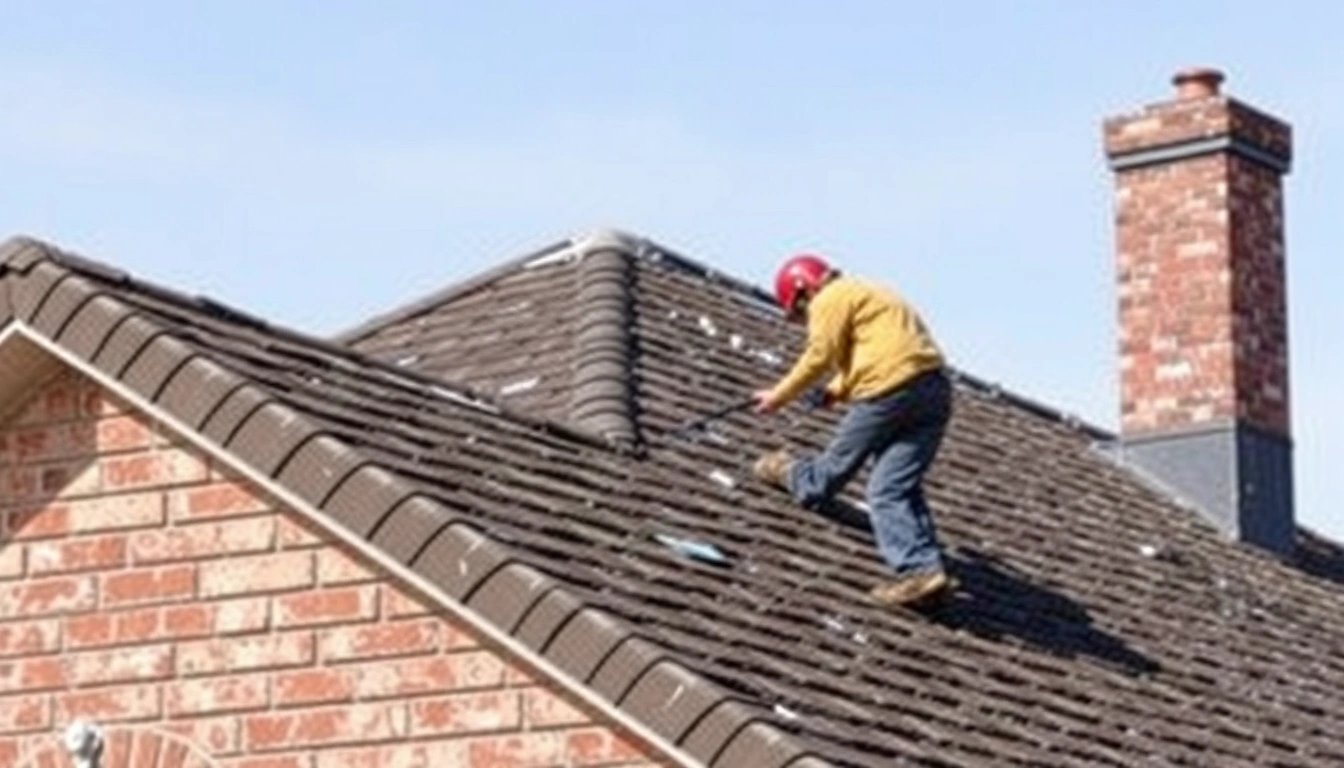
The correct way to assess roof damage in Nampa is to start inside, move outside, and stop when the evidence stops matching. That sequence keeps you from paying for the wrong repair.
- Check the ceiling and attic first. Look for fresh staining, damp insulation, or moldy odor. Do not poke holes in the drywall unless you are ready to drain water safely.
- Measure the stain. Write down its length and width in inches, because a 4-inch spot and a 24-inch spread usually point to different repair scopes.
- Walk the roof line from the ground. Use binoculars or photos if the pitch is steep. Check for missing shingles, curled edges, and exposed nail heads.
- Inspect penetrations. Look at vents, skylights, chimneys, and wall tie-ins. Do not assume the roof field is the problem if the leak sits near a seam.
- Lift the suspect shingles only if it is safe. Check for dried-out seal strips, torn tabs, or brittle underlayment beneath.
- Probe soft spots carefully. A deck that flexes or crumbles means water has reached the wood, and the repair scope just grew.
- Document the damage before and after. Good photos help with insurance, estimates, and comparing bids from Canyon County roofing contractors.
The mistake I see most often is skipping the attic check because the roof “looks fine from outside.” In 2026, that is how a $250 surface repair turns into a full tear-off conversation.
| Damage sign | Likely cause | Typical repair scope |
|---|---|---|
| Single missing shingle | Wind uplift | Replace shingles, check nails, reseal edges |
| Stain near chimney | Flashing failure | Rework step flashing, seal masonry joint |
| Soft ceiling spot | Longer-term leak | Open drywall, dry insulation, repair roof deck |
| Leak after snowmelt or heavy rain | Valley or underlayment failure | Localized tear-up and underlayment replacement |
If you need a cost baseline while you compare bids, the Boise Roof Repairs article on roof repair cost Boise is a useful reference point because many Treasure Valley jobs price similarly for the same material and labor scope.
Before vs. after: what good roof repair Nampa ID actually looks like
Good roof repair Nampa ID is almost invisible from the street and obvious in the details. The repaired section should match the surrounding roof line, seal cleanly at every edge, and show no lifted corners or sloppy caulk blobs.
Bad repair work usually announces itself fast. You will see mismatched shingles, uneven nail lines, extra sealant smeared over everything, or a patch that sits proud of the surrounding courses. That kind of work may stop water for a week, but it often fails on the first hot-cold swing.
What to look for after the repair
- Shingle tabs lay flat with consistent overlap.
- Flashing edges are tucked and mechanically fastened, not just sealed.
- No exposed fasteners remain in the repaired area.
- Sealant is used sparingly, only where the roofing system calls for it.
- Interior stains stop spreading after the next storm.
The repair should also leave the roof looking boring. Boring is good. On a 12-year-old asphalt roof, a proper patch usually blends into the field within a few feet and does not create a shiny, obvious rectangle.
| Feature | Good repair | Poor repair |
|---|---|---|
| Shingle alignment | Even courses, flat edges | Raised corners, uneven rows |
| Sealant use | Minimal and targeted | Thick, obvious smears |
| Flashing | Reworked and layered correctly | Caulked over without removal |
| Result after rain | Dry attic and unchanged stain | New moisture or expanding stain |
For urgent situations, the Boise Roof Repairs page on emergency roof repair Boise explains what a same-day dry-in usually includes before a full Nampa roof repair is scheduled.
The detail everyone gets wrong: valleys, vents, and Canyon County weather
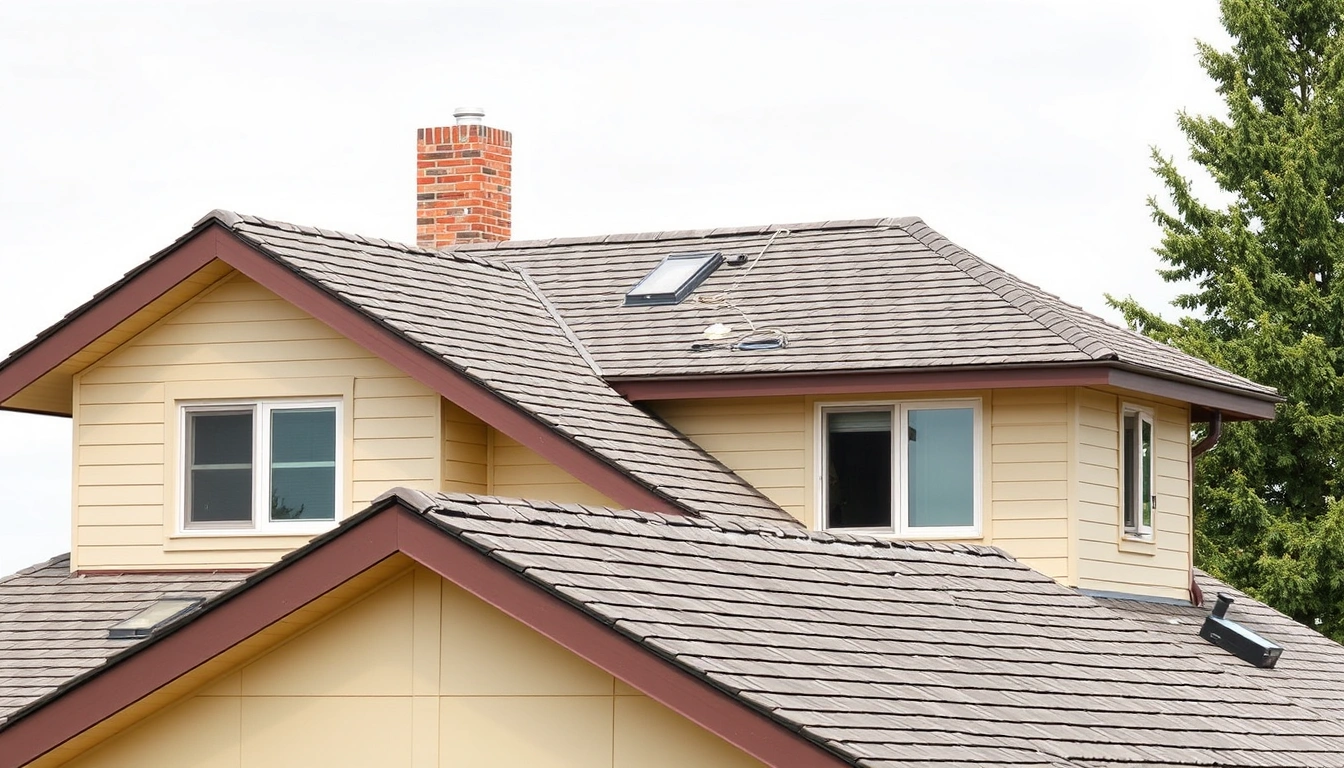
The detail everyone gets wrong is that the failure point is often not the biggest visible hole. In Canyon County, valleys, plumbing vents, and wall transitions wear out first because they move more water than the rest of the roof.
Older homes in Nampa often leak at valleys because debris builds there and water slows down. On a roof with moderate pitch, that slowdown gives water more time to find a weak nail line, a worn underlayment seam, or a lifted shingle corner.
Why valleys fail early
- Debris holds moisture. Check for needles, grit, and leaves packed into the channel.
- Ice, wind, and sun stress the same line. Look for granule loss and brittle edges.
- Previous repairs can stack layers. Do not cover an old valley problem with fresh sealant and call it fixed.
- Water volume is concentrated. Even a tiny gap matters because the valley carries runoff from two planes.
- Fast fixes are often temporary. A correct repair may require lifting adjacent shingles and replacing a short section of underlayment.
- Testing matters. After repair, a controlled water test should show no interior movement for 10 to 15 minutes.
That 10- to 15-minute window matters because slow leaks are the ones people miss. If the attic stays dry after a controlled water test, the repair has a much better chance of holding through the next storm cycle.
On valley leaks, the fix is usually about restoring the water path, not just sealing the visible crack.
For flat or low-slope sections, the repair logic changes again. If your home has a porch, patio cover, or low-slope addition, flat roof repair Boise is the better comparison because ponding and membrane seams behave differently than standard shingle roofs.
Who to call and what it costs when you need a Treasure Valley roofer
Who offers affordable roof repair in Nampa, Idaho? The lowest quote is not always the cheapest fix. A better answer is a roofer who gives a clear scope, explains whether the repair is patchable, and tells you if the estimate includes disposal, underlayment, or travel.
In Nampa, repair pricing usually comes down to three buckets: small patch work, moderate leak repairs, and structural or deck repair. Small jobs may start around $300 to $500, typical leak repairs often run $600 to $1,500, and larger repairs can climb above $2,000 if sheathing or framing is involved.
Do Boise roofers travel to Nampa for repairs? Yes, many do, because Nampa sits inside the normal service area for the Treasure Valley. Expect a service or travel fee of about $75 to $150 on smaller calls, though some companies waive it if the repair becomes a larger project.
| Repair type | Typical price range | What usually changes the price |
|---|---|---|
| Minor shingle repair | $300–$500 | Pitch, access, matching materials |
| Flashing or vent repair | $500–$1,200 | Metal replacement, sealing, labor time |
| Leak repair with deck work | $1,200–$2,500+ | Wood replacement, attic access, interior damage |
Ask every Nampa roofing repair company one direct question: “What is included if you find rotten decking?” That one line exposes whether the quote is a true repair estimate or just a starting price.
What the Canyon County permit rules usually mean for Nampa repairs
Canyon County permit rules usually matter when the repair changes structure, not when it replaces a few damaged shingles. Simple leak repairs, flashing fixes, and small patch jobs often do not need a permit, but reroofing, decking replacement, or any structural alteration commonly does.
That distinction saves people time and surprise delays. If a contractor plans to replace sections of sheathing or touch framing, ask whether Canyon County requires a permit before work starts. In 2026, the safest move is to verify with the local building department rather than guessing.
When to ask more questions
- The repair covers more than a few square feet of roof deck.
- The contractor says framing is soft, sagging, or compromised.
- The job includes a full reroof, not just a patch.
- The home has a low-slope addition, where code and materials may differ.
Most delays happen because homeowners wait for a second leak before acting. If water is entering during one storm cycle, the roof is already telling you the repair is urgent.
In practical terms, a same-week service window is common for non-emergency Nampa jobs, while emergency tarping can happen much faster. The best companies will tell you whether they can dry-in today and schedule the repair next.
Common Questions About roof repair Nampa ID
What causes roof damage on Nampa homes?
Wind, sun exposure, and valley buildup cause most roof damage on Nampa homes. In Canyon County, the usual trouble spots are shingles at the edges, flashing around chimneys, and pipe boots that crack after years of UV exposure. Older roofs also fail sooner where debris traps moisture.
How to schedule roof repair in Nampa step by step?
Start with photos of the leak, then call for a roof inspection and ask for a written scope. A good Nampa roofer will confirm the source, quote the repair, and tell you whether a travel fee applies. If water is entering now, request a temporary dry-in before the full repair.
Nampa vs Boise roof repair pricing — which is cheaper?
Nampa and Boise roof repair pricing is often similar for the same repair, but Nampa can be slightly higher if a company adds a travel fee. On smaller jobs, that fee is commonly $75 to $150. On larger jobs, labor and material scope matter far more than city name.
Why do older Nampa roofs leak at the valleys and how to fix it?
Older Nampa roofs leak at valleys because water concentrates there, debris collects, and the underlayment wears out faster than the surrounding field. The fix usually means lifting nearby shingles, replacing damaged underlayment, and restoring the water path. Caulk alone is not a real valley repair.
How much does roof repair cost in Nampa in 2026?
In 2026, roof repair in Nampa commonly costs $300 to $1,500 for standard shingle, flashing, and leak work. Bigger repairs with deck replacement can run above $2,000. Ask whether the quote includes travel, disposal, and any attic or drywall work that may be needed.
- Roof repair Nampa ID is usually about finding the real leak path, not just sealing the visible stain.
- Most common repairs run about $300–$1,500, with larger deck or structural work going higher.
- Canyon County permits are usually about structural work or reroofing, not small patch repairs.
- The best first move is a photo record plus a written repair scope before the next storm hits.
The Bottom Line
Roof repair Nampa ID is worth doing early if the damage is local, the deck is still solid, and the leak source is clear. Once water reaches decking or insulation, the repair cost rises fast and the “small job” story disappears. If you are deciding what to do next, start with photos, then get one written estimate that separates emergency dry-in from permanent repair.
Pick one thing from this article and try it this week, not all of it. Check the attic after the next rain, or call and ask about the service fee before you book. If you want the broader Boise-area pricing and repair framework, the pillar article on Roof Repair in Boise, ID: Costs, Common Fixes & When to Call a Pro is the best next stop.
See also: roof repair Boise
See also: roof repair cost Boise
See also: emergency roof repair Boise
Related: roof repair permit Ada County
Leave a Reply