
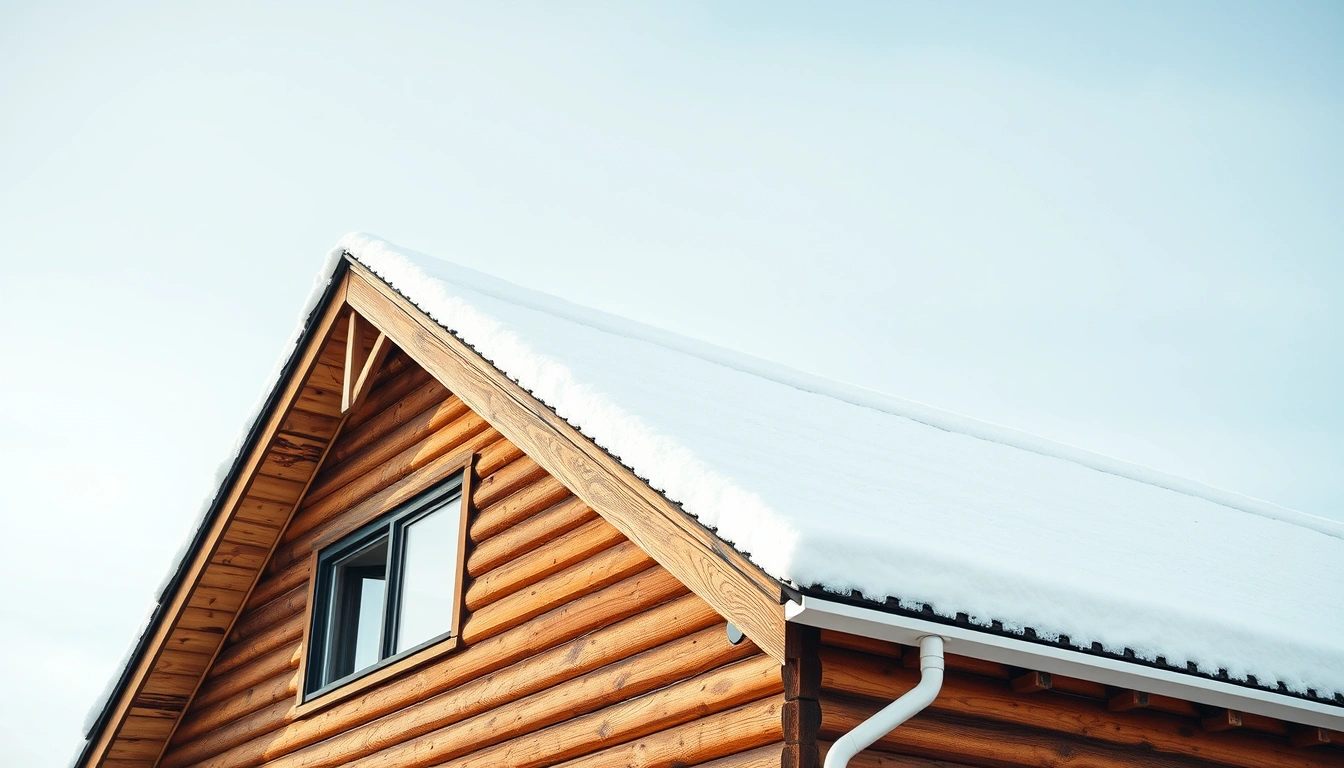
roof snow load Boise: Safe Limits, Code, and When to Rake
⏱️ 8 min read · Last updated: 2026
- Boise design snow load is commonly 30 psf for many residential structures, but the exact code snow load can vary by site and roof conditions under the IRC building code and local amendments.
- A depth of about 6 inches of wet snow can create far more structural snow weight than 12 inches of dry powder, because density matters more than depth alone.
- A roof rake is safest when you can reach the roof edge from the ground; a common roof rake safe reach is about 10 to 15 feet, depending on your height and the tool handle.
- If you see sagging, creaking, bowed ridges, or doors sticking after a storm, treat it as a structural warning and get a professional inspection the same day.
- When snow is drifting against a parapet, dormer, or low-slope section, the load can rise well above the even-field snow load psf people usually picture.
Roof snow load Boise is not just a winter worry for older homes. I have seen a perfectly normal-looking roof in West Boise hold steady all week, then start showing a faint centerline dip after one wet overnight storm. The difference was not depth alone; it was water-heavy snow and a drift pocket near the higher wall.
The hard part is that most advice stops at “clear the roof” or “don’t get on the ladder.” That is too vague when you are staring at 8 inches of packed snow and wondering whether to leave it alone or start pulling it off. In 2026, the better call is to match the snow condition to the roof condition, not to guess based on the calendar.
In Boise, wet snow on a low-slope roof is usually more concerning than a deeper layer of dry powder on a steep roof.
How roof snow load Boise actually works on a real roof
Roof snow load Boise is about weight, not just depth. A roof can carry a surprising amount of light, fluffy snow, then struggle fast when the snow turns dense, wet, or uneven.
The load is usually discussed in psf, which means pounds per square foot. That number matters because 10 inches spread evenly is one thing, while 10 inches sitting in a drift behind a chimney is another. I have checked attics after storms where the drywall seam looked fine from the street but a ridge line in the snow hinted at a load concentration above.
What the roof is actually feeling
Think in layers. The roof deck carries the snow, the trusses or rafters carry the deck, and the walls carry everything down to the foundation. If one section gets overloaded, the failure often starts as a small shape change, not a dramatic collapse.
| Snow type | Typical concern | What to watch |
|---|---|---|
| Dry, fluffy snow | Lower structural snow weight | Depth can still drift at edges |
| Wet snow | High psf fast | Sagging, creaks, sticking doors |
| Wind drift | Uneven loading | Corners, valleys, behind dormers |
A roof does not fail because snow looks deep; it fails because the structural snow weight exceeds what that roof section was built to carry.
Boise’s winter swings make this tricky. One storm can leave powder, and the next can dump heavy, melting snow that bonds to the layer below. That is why the same inch count can mean two very different risks.
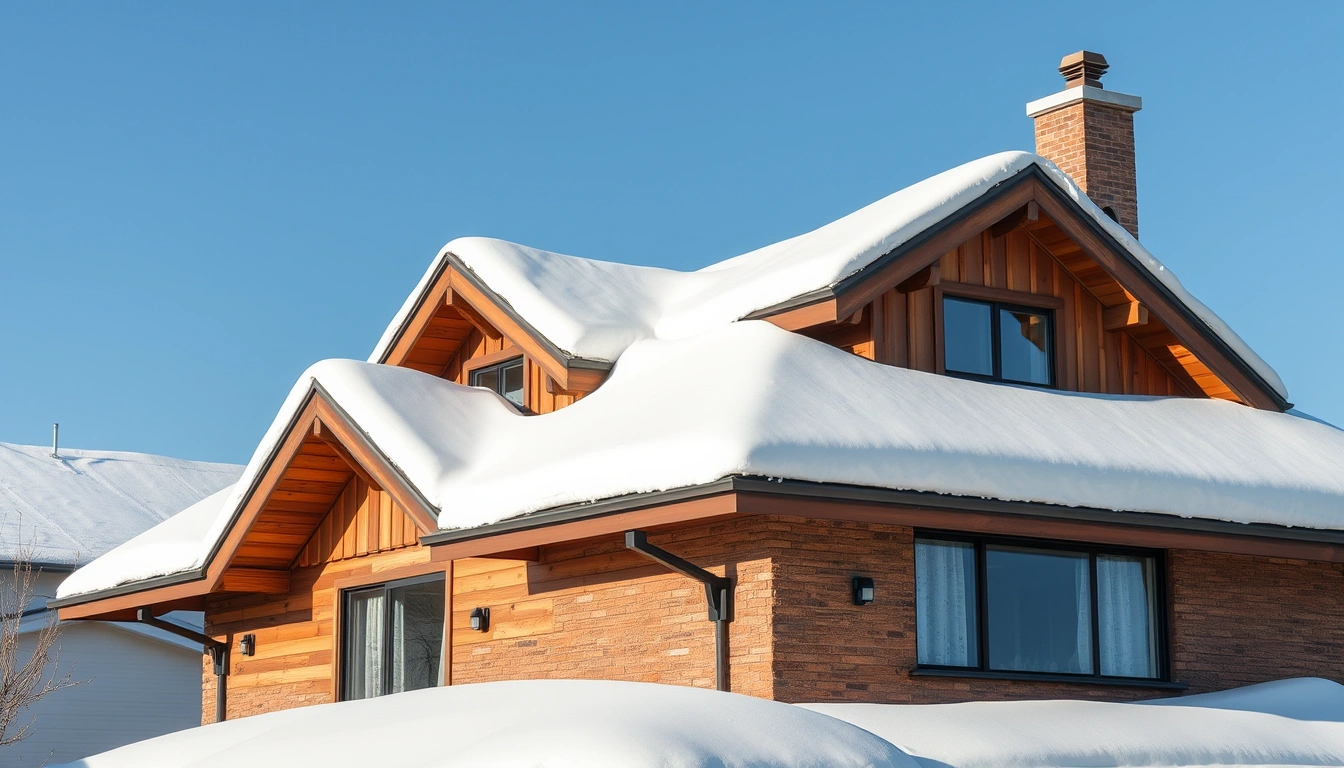
When should I rake snow off my Idaho roof?
You should rake snow off your Idaho roof when the snow is wet, drifting, or deep enough to stress the roof edge, and you can do it from the ground with a roof rake safe reach. If the roof is already sagging, creaking, or shedding large sheets, stop and call a pro instead of trying to chase the snow across the roof.
The best trigger is not a single inch number. In my experience, about 6 inches of wet snow on a low-slope section can be more concerning than 12 inches of dry powder on a steeper roof. If the snow is dense enough to feel heavy when you scoop it, treat that as a warning sign.
- Stand back and look for uneven loading. Check valleys, dormers, and areas behind chimneys.
- Tap the ceiling below the roof if you hear unusual popping or see fresh drywall cracks.
- Use a roof rake only from the ground. Check the tool length before you start.
- Pull snow down in short passes. Watch for ice chunks sliding unexpectedly.
- Stop at the eaves. Do not try to rake every inch off the roof.
- Never stand under the drop zone. Move cars, pets, and kids away first.
The key here is the edge line — notice how a clean, even edge means the load is being reduced gradually. A jagged edge with hanging chunks is what separates a controlled removal from a risky one.
Most homeowner roof rake safety failures happen because people overreach, step onto the ladder in wind, or pull too much snow at once.
If you are deciding between DIY and help, start with your roof height and your balance. One-story ranch roofs are usually the only DIY candidates I recommend for snow removal, and even then only when the roof is visible from the ground and the weather is calm.
What is the snow load requirement for roofs in Boise?
The snow load requirement for roofs in Boise is commonly based on a 30 psf design snow load for many residential conditions, with the final structural design tied to the IRC building code and local engineering assumptions. That number is a design baseline, not a guarantee that every roof can safely hold exactly 30 psf in every storm.
Design values are used for planning, not for guessing in the moment. A roof that meets code can still need removal if snow drifts pile up, if the roof has a low slope, or if the structure is older and has known issues. The city’s building permits and local code enforcement process also matter, so do not assume a neighbor’s roof is built the same way as yours.
| Item | Typical Boise reference | Why it matters |
|---|---|---|
| Design snow load | Commonly 30 psf | Baseline structural design |
| Snow depth danger threshold | About 6 inches of wet snow is a practical alert point | Wet snow weighs much more than powder |
| Roof rake safe reach | About 10 to 15 feet from the ground | Keeps you off the ladder |
If you want the exact code snow load for a specific house, check the permit records or ask a roofer or engineer who knows Boise conditions. For broader standards, the International Code Council explains how snow load is established in the IRC building code, and local engineering firms often add drift calculations for real roofs.
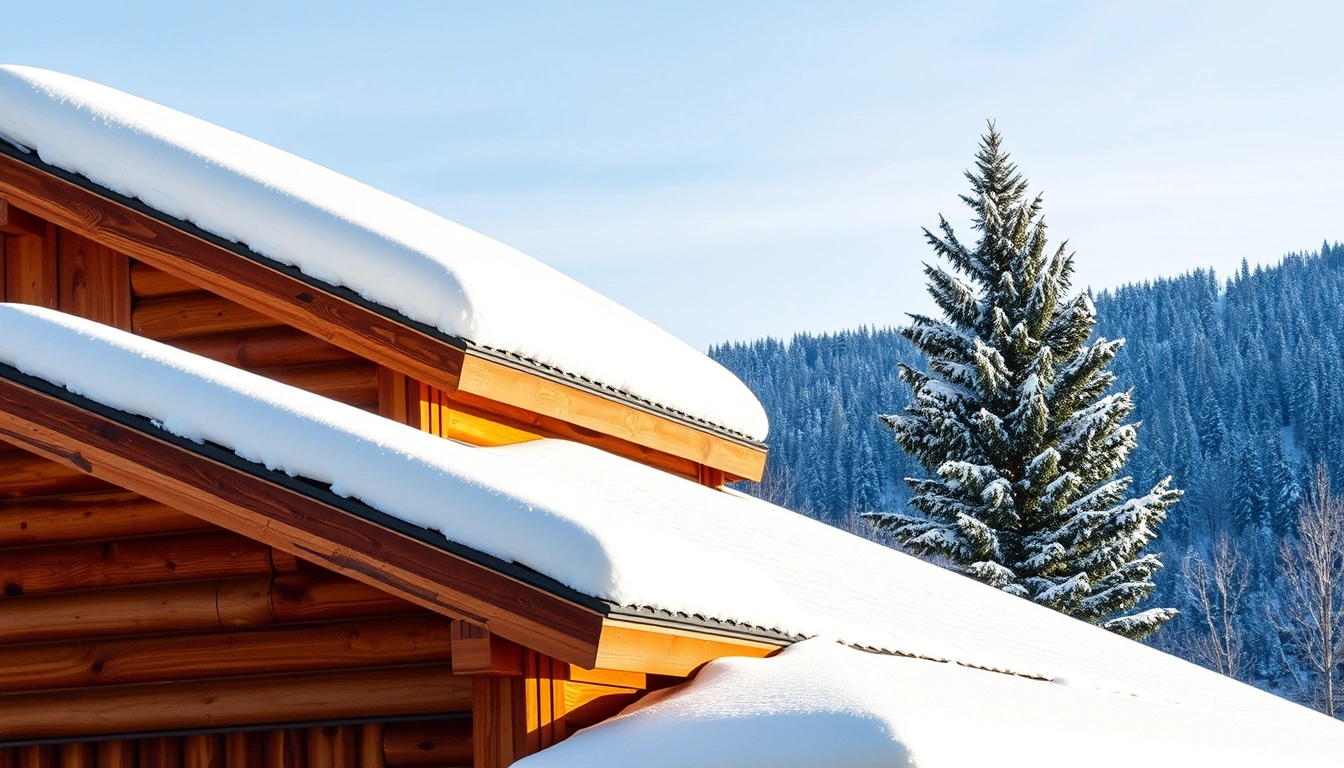
Before vs. after: what good roof snow load Boise actually looks like
Good snow management looks boring, even. The roof edge is clear, the snow line is even, and there are no obvious bulges, hanging curtains, or fresh interior cracks. Bad snow management leaves a roof with heavy pockets, sliding sheets, or a visible sag line across the span.
The visual clue I trust most is symmetry. When a roof is carrying snow evenly, the surface usually looks flat from the street. When it is overloaded on one side, the roof often looks slightly tired, especially at the ridge or around a valley.
What to compare before and after
- Even snow depth versus drifted piles.
- Straight ridge line versus a subtle dip.
- Clean eave edge versus hanging slabs of snow.
- Quiet interior walls versus doors that suddenly bind.
The practical difference is immediate. If you remove snow early, you often only need a ground-based roof rake and 20 to 30 minutes. If you wait until the roof shows stress, you may need emergency removal, attic checks, and possibly a structural evaluation from a Boise contractor.
A roof that looks unchanged from the curb can still be carrying a dangerous load if the snow is dense or drifted in hidden pockets.
Boise homeowners who also deal with ice dams should treat the roof edge as a separate problem. Snow load and ice dams often show up together, but they need different fixes. If meltwater is refreezing at the gutter line, look at ice dam roof repair Boise after the main snow load issue is under control.
The detail everyone gets wrong
The detail most people get wrong is assuming inches equal risk. In roof snow load Boise, density and placement matter more than the ruler mark on the snowbank.
A 4-inch layer of wet snow over a valley can be worse than a 10-inch blanket of dry powder on an open span. The same goes for low-slope additions, covered patios, and roofs with a lot of rooflines. Those spots collect drift and hold meltwater longer.
- Do not measure only in one spot. Check the high side, the leeward side, and any drift pocket.
- Do not assume a newer roof is immune. The structural design still has limits.
- Do not use a ladder in wind or ice. Roof rake safety depends on stable footing.
- Do not ignore small interior changes. Sticking doors and cracked trim can be early signs.
- Do not remove snow down to bare shingle unless there is an emergency. Leave a thin layer.
- Do not let snow sit on a roof after a warm daytime melt followed by refreeze. That cycle adds weight fast.
I made this mistake once on a rental property: I focused on the deepest spot, not the drifted corner under the north valley. The roof looked fine until the next warm spell, when that packed section turned into a heavy slab. The fix was not more force; it was better timing.
For storm-related damage that shows up after snow slides, wind gusts, or broken shingles, the right next step is often a storm damage roof repair Boise inspection before leaks spread into insulation and drywall.
What pro removal and inspections usually cost
Professional roof snow removal in Boise usually costs less than emergency leak repair, attic drying, or a structural callout. For a simple one-story roof, many homeowners can expect a few hundred dollars for safe removal, while more complex roofs, steep pitches, or heavy drift conditions can cost more.
The exact price depends on roof height, access, snow type, and whether the crew needs to shovel, rake, or use fall-protection equipment. A free inspection is often the cheapest first move if you are not sure the roof is safe to leave alone. A free roof inspection Boise can also tell you whether the issue is snow load, ice, or storm damage.
| Option | Best for | Main trade-off |
|---|---|---|
| DIY roof rake | Single-story roofs, calm weather | Lower cost, higher personal risk |
| Professional removal | Steep, tall, or drifted roofs | Costs more, safer and faster |
| Insurance claim review | Damage after collapse, leaks, or storm impact | Needs documentation and claim timing |
If a storm has already damaged the roof, document everything before cleanup. Photos of the snow, the sag, and any interior staining help a later roof insurance claim Boise go more smoothly.
Common Questions About roof snow load Boise
What is the required roof snow load in Boise?
The required roof snow load in Boise is commonly treated as 30 psf for many residential designs, but the exact code snow load can change with roof shape, drift exposure, and local amendments. For a specific house, the permit record or a licensed engineer gives the most reliable number.
How to safely rake snow off your Idaho roof step by step?
Start from the ground with a roof rake, clear the eaves in short pulls, and work only the first several feet of snow nearest the edge. Keep people away from the drop zone, avoid ladders in wind, and stop if the roof already shows sagging or loud creaking.
Rake yourself vs hire a pro — which is safer for snow removal?
Hiring a pro is safer for any roof that is steep, tall, icy, or difficult to reach. DIY is usually only reasonable for a one-story roof in calm weather when you can reach the roof edge from the ground without climbing. If you feel unsure, hire out.
Why is my roof sagging under snow and how to fix it?
Sagging usually means the load is too high for that roof section or the snow has drifted into a concentrated pocket. Clear weight from the ground if it is safe, keep people out of the area, and call a roofing professional or structural engineer if the sag is visible from outside or growing.
How much does professional roof snow removal cost in Boise?
Professional roof snow removal in Boise often costs a few hundred dollars for a simple job, and more for steep, tall, or drifted roofs. The final price depends on access, snow type, and whether the crew needs extra safety gear or interior damage inspection.
- Boise roof snow decisions should be based on weight, drift, and roof shape, not just inches on the ground.
- About 6 inches of wet snow is a practical alert point, especially on low-slope or older roofs.
- A roof rake is safest when used from the ground with a reach of about 10 to 15 feet.
- If you see sagging, creaking, or sticking doors, treat it as a structural warning and get help fast.
The Bottom Line
For roof snow load Boise, the smart move is to watch for wet snow, drift pockets, and any visible change in the roof line, then act before the load becomes structural. Do not wait for a leak to tell you the roof is stressed. Pick one thing from this article and try it this week: take a baseline photo of your roof after the next snowfall, and compare it after the storm clears. If you want the bigger prevention picture, start with the Storm & Hail Roof Damage in Boise: Repair, Insurance & Prevention pillar.
Leave a Reply