
hail damage roof repair Boise: Costs, Photos, and When to Replace
⏱️ 8 min read · Last updated: 2026
- Typical hail damage repair cost: about $300–$1,500 for spot repairs, while larger storm claims often run several thousand dollars or more.
- A practical Boise repair-vs-replace threshold is often around 7 to 10 damaged shingles per 100 square feet on a slope, especially if the damage is spread out.
- Impact-resistant shingle upgrades commonly save about 5% to 25% on hail-related insurance premiums, depending on carrier and roof details.
- A roof hail inspection is most useful within 24 to 72 hours after a storm, before sun, wind, and foot traffic blur the evidence.
- Class 4 impact-resistant shingle products are the highest common impact-resistance rating used in residential roofing.
A hail storm can leave a roof looking fine from the driveway and still cost you money six months later. That is the trap with hail damage roof repair Boise: the damage is often subtle, but the bill is not.
I have seen roofs where the only visible clue was a handful of dark, shiny spots on a south-facing slope after a 2-inch hail event. On the invoice side, a small repair may stay under $1,000, while a full replacement can run $9,000 to $18,000 or more in Boise, depending on slope count, access, and shingle type. If you need local context, the storm history on Boise roof repair statistics is worth a look before you guess.
How hail damage actually works on shingles
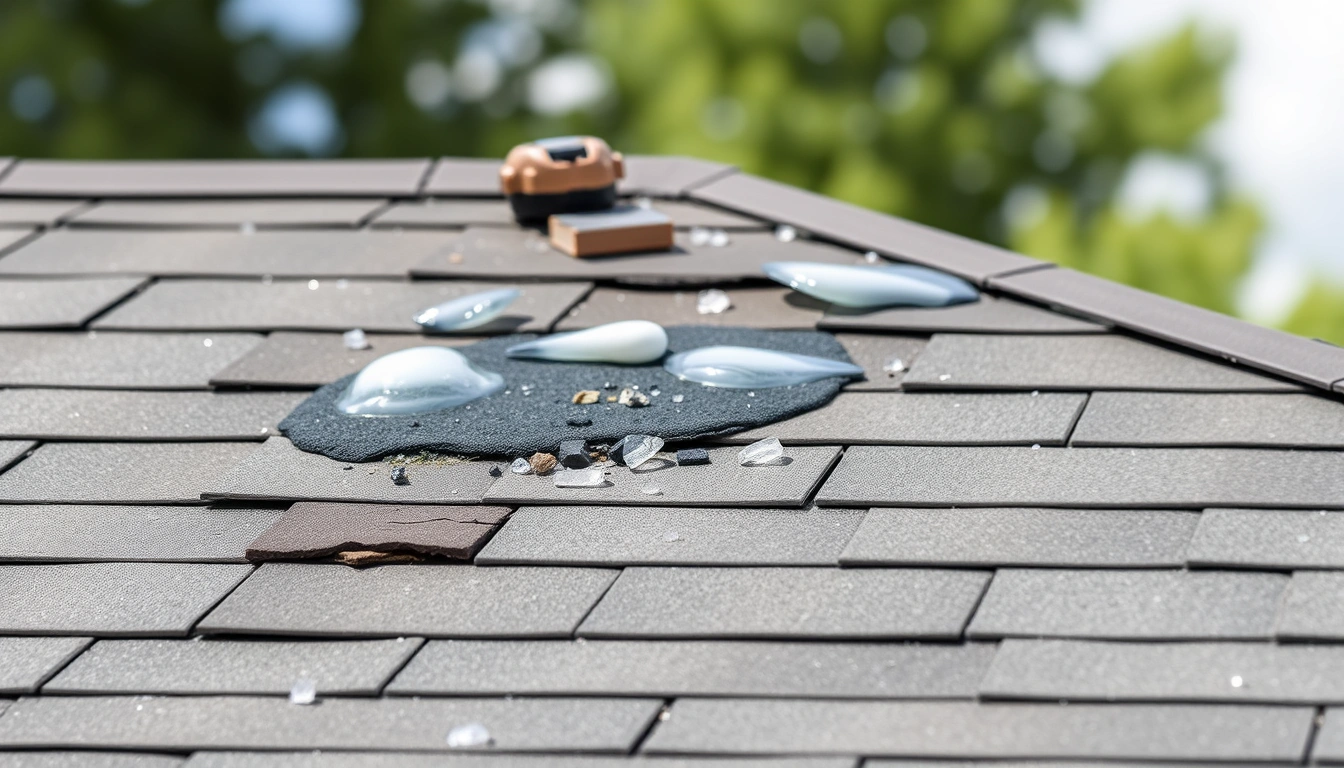
Hail damage happens when impact breaks the surface mat of an asphalt shingle, strips granules, or leaves a bruise that weakens the shingle without tearing it open right away. The roof may look intact from the ground, but the damaged spot ages faster and can fail early in the next freeze-thaw cycle.
The key visual clue is the bruise, not the crater. A hail bruising shingle often feels soft to light pressure, shows a darker circular mark, and may lose granules in a ring or splash pattern. That is different from normal wear, which usually looks flatter and more evenly aged.
| What you see | What it usually means | Why it matters |
|---|---|---|
| Dark spot with missing granules | Granule loss hail | Shortens shingle life and exposes asphalt |
| Soft or spongy circle | Bruising under the top layer | Damage may not leak yet, but can fail later |
| Split mat or cracked edge | Impact or age-related break | Often pushes the decision toward replacement |
A hail strike that removes granules but does not puncture the shingle can still reduce roof life by years, which is why cosmetic-looking damage is not automatically minor.
For a plain-English reference point on roof systems and impact categories, the U.S. Department of Energy’s Energy Saver roofing pages and the FEMA home protection guidance are both useful starting points: Energy Saver roofing and FEMA. The practical takeaway is simple: the damage pattern matters more than the storm headline.
How can I tell if my Boise roof has hail damage?
You can tell your Boise roof may have hail damage by checking for random impact marks on soft metals, missing granules in gutters, and bruised shingles on the windward side of the house. If you only see wear on the sunny side and none on the gutters, age may be the bigger issue than hail.
Start with the ground, then move to the edges, then the roof only if it is safe and dry. The best hail inspection looks for a pattern, not a single dent. Hail usually hits multiple surfaces at the same height: roof vents, gutters, downspouts, AC fins, soft metal trim, and asphalt shingles.
- Walk the perimeter and check gutters, downspouts, and window trim. What to check: round dents, chipped paint, or bare metal. What not to do: climb a slick roof before you verify safety.
- Look inside gutters for shingle grit. What to check: a fresh pile of granules after the storm. What not to do: assume any grit means hail; old roofs shed granules too.
- Photograph soft metals at the same height on all sides. What to check: repeating dents on multiple surfaces. What not to do: focus only on one damaged corner.
- Inspect slopes facing the storm path first. What to check: bruising, dark circular impact marks, and exposed asphalt. What not to do: judge the whole roof from one slope.
- Use your hand only on safe, dry shingles. What to check: slight softness under a bruise. What not to do: press hard enough to create the damage you are trying to detect.
- Compare damaged shingles to unaffected shingles nearby. What to check: random strike patterns. What not to do: call normal color variation “hail” without impact marks.
One thing I learned after comparing post-storm photos: the best evidence is usually not on the shingles first. It is on the gutters, downspouts, and roof vents. That is why a fast, methodical hail inspection often beats a dramatic ladder climb.
Does hail damage always need a full roof replacement in Idaho?
No, hail damage does not always need a full roof replacement in Idaho. Small, isolated impact damage can often be repaired, but widespread bruising, mat fractures, or repeated granule loss usually push the job toward replacement.
The practical threshold most roofers use is simple: if damage is limited to a few shingles and the rest of the roof still has good life left, repair makes sense. If damage is spread across multiple slopes or you can count roughly 7 to 10 damaged shingles per 100 square feet on a slope, replacement becomes the cleaner decision. That threshold is not a law; it is a working rule that matches how insurers and adjusters think about future failure.
| Situation | Usually repair | Usually replace |
|---|---|---|
| 1 to 5 isolated impacts on one slope | Yes | No |
| Visible bruising on several slopes | Sometimes | Often |
| Punctures, cracked mat, or repeated granule loss hail | Rarely | Yes |
Insurance carrier language matters here too. If the adjuster sees functional damage, not just cosmetic scuffs, the claim is easier to justify. For storm-related local context, the page on storm damage roof repair Boise is a useful companion because hail is often only one part of the post-storm picture.
The correct way to do a hail inspection — step by step
The correct hail inspection is a pattern hunt, not a random roof glance. Done well, it takes about 20 to 45 minutes for a typical Boise single-family home, plus photo documentation and notes.
Start with evidence you can capture safely from the ground, then move to the roof only if conditions are dry and the pitch allows it. If the roof is steep or slippery, a pro should handle the climb. That is not caution theater; it is how people avoid turning a repair question into an ER visit.
- Record the date, storm time, and hail size estimate. What to check: neighbor reports, weather app data, or visible ice. What not to do: rely on memory a week later.
- Photograph the home from all four sides. What to check: dents on gutters, vents, skylights, and metal trim. What not to do: take only one wide shot and call it done.
- Inspect the attic or ceiling for active leaks. What to check: damp insulation, water stains, or drip marks. What not to do: wait for a ceiling stain to grow before acting.
- Check the roof slopes most exposed to the storm. What to check: bruising, cracked tabs, and soft circles. What not to do: assume the opposite slope is automatically safe.
- Measure the damage density. What to check: how many shingles in a 10-by-10-foot area show impact. What not to do: count one dent and extrapolate to the whole roof.
- Compare the findings to roof age and shingle type. What to check: whether the roof is near the end of its service life. What not to do: ignore aging and blame every defect on hail.
- Get a written report with photos and slope mapping. What to check: labeled images and a repair-vs-replace recommendation. What not to do: accept a vague verbal opinion with no documentation.
That final written report is where a lot of Boise claims either get clean or get messy. A good roofer will mark each slope, note bruise locations, and identify whether the shingle damage is limited or widespread. If you need help with next-step scheduling after the inspection, roof repair Boise is the practical catch-all once you know whether you need patching or a larger scope.
What good inspection photos actually show
Good photos are close enough to show texture and far enough to show the pattern. A proper image includes a ruler, a coin, or a finger for scale, plus a second photo that shows where the damage sits on the slope. The key here is the contrast — notice how the bruise sits inside a field of otherwise normal granules. That is what separates hail from general aging.
A strong hail inspection file usually has 12 to 20 labeled photos: 4 exterior elevations, 4 soft-metal close-ups, and 4 to 12 roof surface images.
Before vs. after: what good hail damage roof repair Boise actually looks like
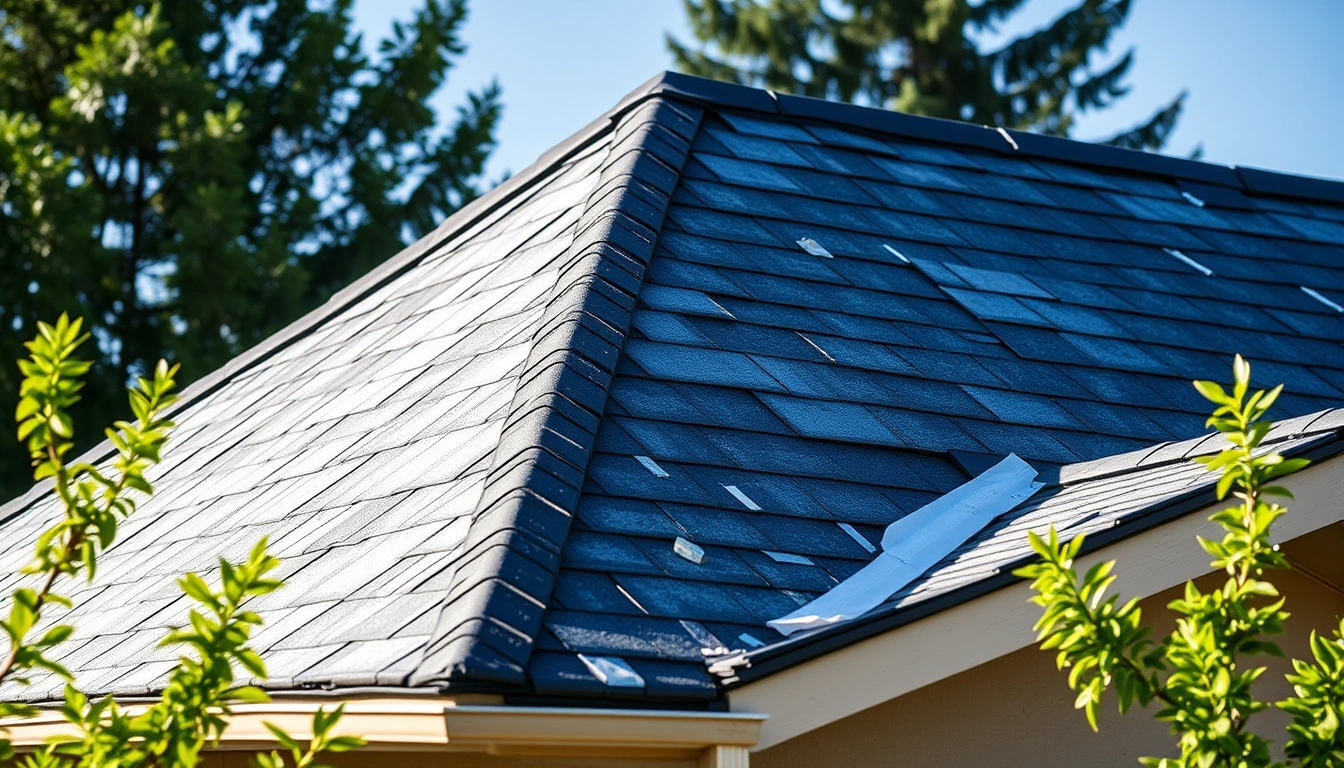
Good hail damage roof repair Boise is almost invisible from the street and obvious up close. The repaired area should match shingle color, line up with the surrounding course, and avoid leaving lifted edges, exposed nail heads, or fresh sealant blobs.
Before repair, the common signs are bruised circles, missing granules, and tabs that look flat but feel weak. After repair, the damaged section should blend into the roof plane without obvious patch shapes or mismatched ridge lines. That visual standard matters because sloppy repairs often fail long before the rest of the roof.
| Good repair looks like | Bad repair looks like |
|---|---|
| Seam lines stay flat and tight | Raised seams or buckles appear within days |
| Replacement shingles blend with adjacent color tones | Patch looks like a checkerboard square |
| Nails and sealant stay hidden | Visible fasteners or tar smears remain |
The repair-vs-replace line gets clearer when you compare labor and outcome. A spot repair may take 1 to 3 hours and cost a few hundred dollars, but a full replacement usually takes 1 to 2 days and resets the whole system. If the existing roof is already near end of life, a repair can become a short-term patch on a long-term problem.
The detail everyone gets wrong
The detail people miss is that insurance does not care whether the roof “looks fine” from the driveway. It cares whether the hail damage is functional, documented, and tied to a covered event under the policy language.
That is why two roofs hit by the same storm can get different outcomes. One roof may have obvious bruising and granule loss hail across multiple slopes, while another has isolated dents on metal but little shingle damage. The first usually supports a stronger claim. The second may not.
Typical impact-resistant shingle savings are commonly 5% to 25% on insurance premiums, but the exact discount depends on the carrier, roof age, and certification paperwork.
That savings range is why an impact-resistant shingle upgrade can make sense on a roof you plan to keep for years. Not every homeowner needs it, though. If you expect to move soon, or if your current roof is already near replacement age, the payback may be too slow.
- Choose impact-resistant shingle when you want fewer future claims and better hail resilience.
- Skip the upgrade if the roof is being replaced soon for unrelated age issues.
- Ask the insurer for the exact certification they need before you buy the product.
- Keep the product sheet and install photos with your policy records.
I also made one costly mistake years ago on a storm-damaged roof: I trusted a clean-looking slope and ignored the gutter evidence. The result was a delayed leak on the next hard rain. The lesson was simple. In Boise, the roof story starts at the edges, not the middle.
If your home had severe damage, the timing matters enough that emergency roof repair Boise may be the right first move before any insurance conversation. Temporary drying, tarping, or leak control can prevent the repair from turning into drywall and insulation work.
Why timing changes the result more than people expect
Timing changes the result because fresh hail evidence is easier to prove and active leaks are easier to stop. In 2026, the best response is usually same day for photos, within 48 hours for inspection, and within a week for any temporary protection if water is entering the home.
Material choice matters too. A standard asphalt roof and a class 4 impact-resistant shingle do not fail the same way. A class 4 product is not hail-proof, but it tends to handle repeated impact better and can help reduce future claim frequency.
Choosing the right next step
Use repair when the damage is isolated and the roof still has useful life. Use replacement when damage is widespread, the roof is already old, or the shingle field has repeated bruises that you can count in multiple areas. Use a hail inspection first if you cannot prove which case you have yet.
- Document the storm date. What to check: weather record and visible evidence. What not to do: wait until the next billing cycle.
- Get a roof inspection before the damage dries out and blends in. What to check: photos and slope notes. What not to do: accept a verbal estimate only.
- Compare the estimate against roof age. What to check: remaining life expectancy. What not to do: repair a roof that is already at the end of its service life.
- Ask for the repair-vs-replace threshold in writing. What to check: why the scope was chosen. What not to do: assume every storm claim is a full replacement.
- Save every photo, email, and estimate. What to check: a complete claim file. What not to do: leave evidence in text threads only.
- Decide whether a premium reduction from impact-resistant shingle offsets the upgrade cost. What to check: quoted discount and roof lifespan. What not to do: buy the upgrade without asking for the paperwork.
For broader local planning, the storm repair overview at storm damage roof repair Boise pairs well with this page because hail is usually one chapter in a larger weather story. The fastest wins usually come from clear photos, a real threshold, and a roof scope that matches the damage.
- Hail damage is judged by bruising, granule loss hail, and pattern, not just by visible holes.
- A practical Boise repair-vs-replace threshold is often 7 to 10 damaged shingles per 100 square feet on a slope.
- Impact-resistant shingle upgrades can reduce future insurance costs by about 5% to 25% in many cases.
- The best hail inspection happens within 24 to 72 hours after the storm and is documented with photos.
Common questions about hail damage roof repair Boise
What does hail damage look like on a Boise roof?
Hail damage on a Boise roof usually appears as dark bruises, circular granule loss, cracked tabs, or soft spots that are easy to miss from the ground. Check gutters and soft metal first. If dents show up on multiple surfaces at the same height, the roof deserves a closer inspection.
How to inspect your roof for hail damage step by step?
Start with the ground, photograph all four sides, inspect gutters for granules, and then check the roof slopes that faced the storm. Use close-up photos with a scale object. If the roof is steep, slick, or high, hire a pro instead of guessing from a ladder.
Hail damage repair vs replacement — which will insurance cover?
Insurance usually covers the repair or replacement that matches the actual functional damage and policy language. Isolated hail bruising may support repair, while widespread damage across several slopes often supports replacement. The key is documentation: photos, slope notes, and a written report from a roofer.
Why did my insurer deny my hail claim and how do I fix it?
A denial often happens when the insurer says the damage is cosmetic, pre-existing, or not tied to a documented storm. Fix it by gathering storm date records, labeled photos, and a second opinion from a licensed roofer. If the roof was inspected late, ask for a reinspection with better evidence.
How much does hail damage roof repair cost in Boise?
Small hail damage roof repair in Boise often lands around $300 to $1,500 for localized work. Larger repairs or full replacements can cost several thousand dollars, with the final price driven by slope count, roof pitch, shingle type, and access. A written estimate is the only reliable number.
The bottom line
hail damage roof repair Boise is worth acting on fast when the evidence is fresh, the damage is patterned, and the roof still has useful life left. If the roof shows bruising across several slopes, treat it like a real claim, not a cosmetic question. If the damage is isolated, repair and document it before the next storm.
Pick one thing from this article and try it this week: take the 8 storm photos and store them with your policy records. If you want the bigger picture, start with the pillar page on Storm & Hail Roof Damage in Boise: Repair, Insurance & Prevention. One clean inspection now can save you a much messier fight later.
See also: storm damage roof repair Boise
See also: Boise roof repair statistics
See also: roof repair Boise
Related: roof leak after storm Boise
Related: wind damage roof repair Boise
Related: roof insurance claim Boise
Leave a Reply