
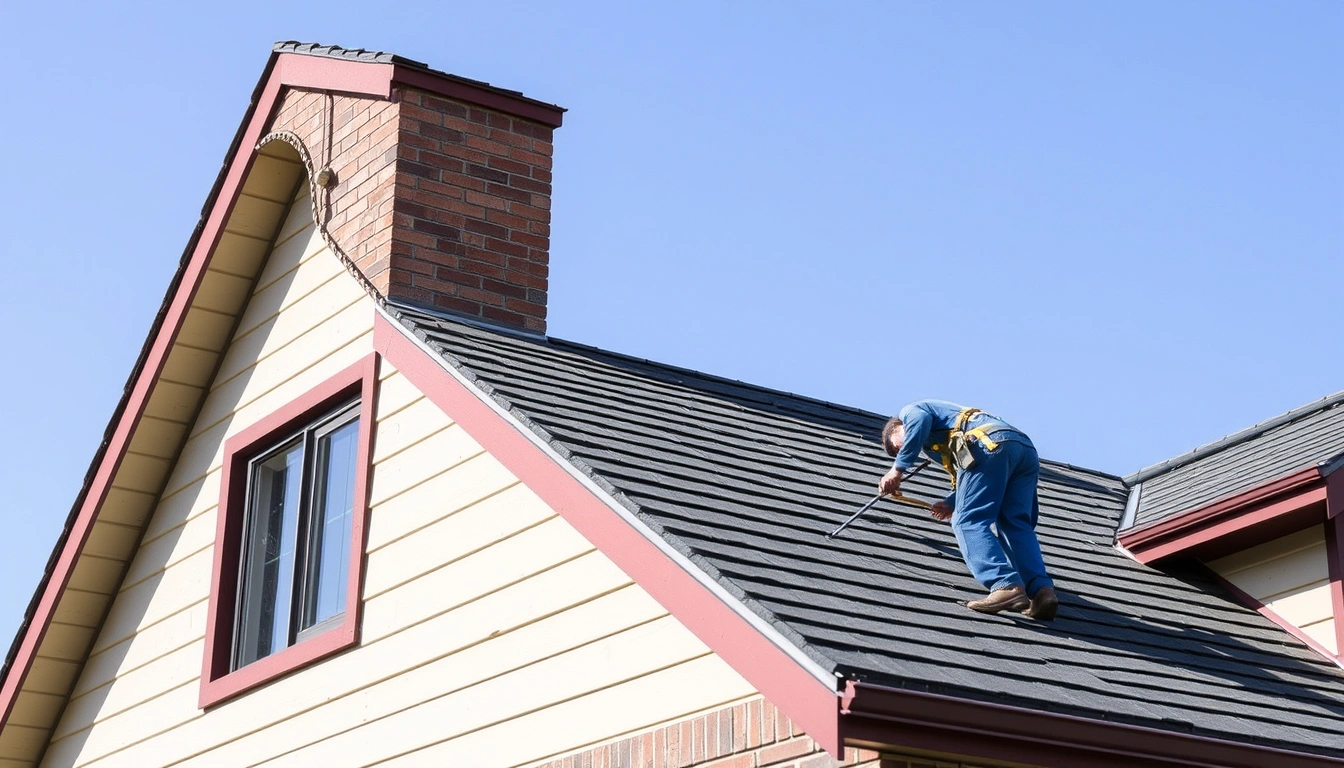
roof repair Boise in 2026: real costs, timing, and fixes
⏱️ 14 min read · Last updated: 2026
- Boise roof repair cost for small jobs commonly lands around $350–$1,200, while leak repairs that involve flashing or underlayment often run $500–$1,800.
- Typical labor rate range in Idaho roofing is $150–$250 per square, or 100 sq ft, with labor making up about 60% of total roofing project cost, according to Idaho Roofing Contractors in 2026.
- Under Idaho state building rules, roof repairs involving less than 100 square feet of new roof covering qualify as minor alterations exempt from full permit requirements, per the 2023 Idaho DOPL building rules.
- Most City of Boise building permits, including roofing, are valid for 180 days, and the clock resets after each passed inspection, according to PermitFlow in 2026.
- Seasonally, Boise roof repair costs tend to rise in late fall and early spring because wet weather, short daylight, and freeze-thaw cycles slow labor and expose more hidden damage.
A Boise roofer once pointed at a stain on a ceiling and said, “That leak started three storms ago.” He was right. The patch on the inside looked small, but the damage behind it had already spread across underlayment and into the edge of the deck.
Source: www.forbes.com
That is the trap with roof repair Boise. The obvious symptom is rarely the whole problem, especially after a Boise winter that swings above and below freezing in the same week. I have seen a $280 patch stay a $280 patch, and I have seen a $600 flashing repair turn into a much larger bill because the homeowner waited until the next heavy snowmelt.
What matters most is matching the repair to the failure point. If the issue is one cracked asphalt shingle, you need a different fix than if water is entering where the chimney meets the roof, or if an ice dam is pushing meltwater under shingles. Wrong repair, wrong order. That is where people waste money.
How much does it cost to repair a roof in Boise, Idaho?
Most Boise roof repair cost estimates fall between $350 and $1,800 for common residential fixes, with the price driven by access, pitch, material match, and whether the problem is only on the surface or into the roof system. Small asphalt shingle repair jobs are usually cheaper than roof flashing repair because flashing work often requires lifting more material and sealing multiple layers.
For 2026, a useful local rule of thumb is this: a simple patch is often a few hundred dollars, a leak around a penetration can move into the high hundreds, and a repair involving deck replacement or larger underlayment work can push higher fast. The bigger jump comes from labor and diagnosis, not just materials. Idaho roofing labor runs $150–$250 per square, according to Idaho Roofing Contractors in 2026.
| Repair type | Typical Boise area cost range | What usually drives the price |
|---|---|---|
| Single asphalt shingle repair | $150–$450 | Matching shingles, access, and how many need replacement |
| Roof flashing repair | $400–$1,200 | Chimney, skylight, or wall junction complexity |
| Leak repair with underlayment work | $500–$1,800 | Hidden moisture damage and material removal |
| Small storm patch | $250–$800 | Scope, height, and whether a tarp is needed first |
In Boise, the repair that looks cheapest from the driveway is often the one that costs more after a second trip, because freeze-thaw movement opens weak seals again.
Seasonal price variation matters too. Spring inspections and post-winter leak calls can cost more because crews are busy, slopes are slick, and hidden problems show up after thaw. Late summer can be easier to schedule, but waiting can be expensive if a small leak keeps running through fall rain.
If you are comparing repair to replacement, a mid-size Boise/Treasure Valley roof replacement with quality architectural shingles typically runs $12,000–$16,000 before decking repair or ventilation upgrades, per Idaho Roofing Contractors in 2026. That number helps frame the decision: if repair is a few hundred dollars and the rest of the roof still has life, repair usually wins.
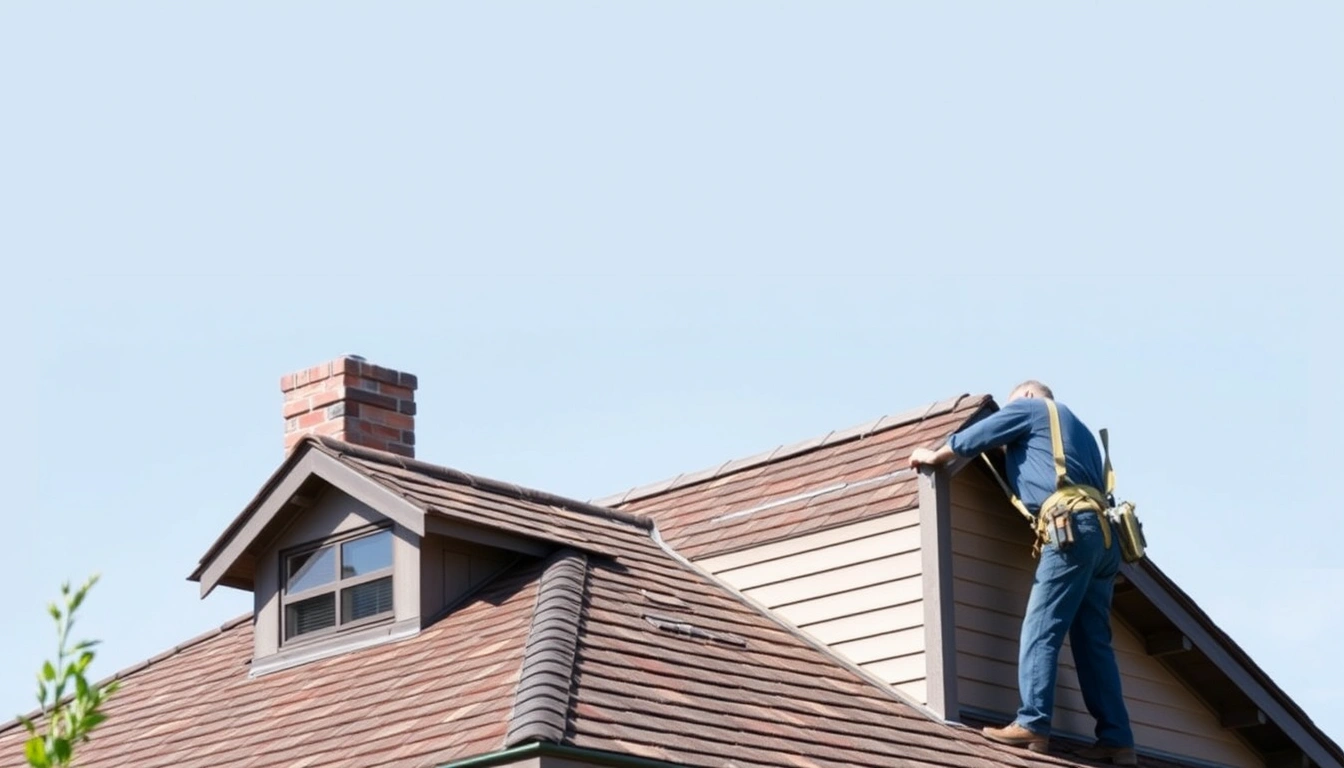
How roof repair Boise actually works after a freeze-thaw winter
Boise roof repair works best when the roofer traces the water path, not just the stain. The leak often starts higher than the damaged ceiling, because water follows decking, nails, and framing before it shows up inside. The Idaho freeze-thaw cycle makes that harder, since a tiny opening can widen each time ice expands and contracts.
The key visual clue is the edge condition. Good repair work looks deliberate: straight shingle lines, clean sealant margins, tight flashing edges, and no bent metal left proud of the surface. Bad repair work usually looks smeared, patchy, or over-nailed.
What the roof system is actually doing
Every roof repair Boise job touches a system, not one product. The shingles shed most rain, the underlayment acts as a backup layer, the flashing redirects water at joints, and the ice dam risk rises when heat loss melts snow that refreezes at the eaves. If one part fails, the others get stressed.
That is why a leak around a chimney is not just a chimney problem. The flashing, shingles, fasteners, and underlayment all have to cooperate. One gap is enough.
- Find the entry point from the attic or underside, if access exists. Check for dark wood, rusted nails, and damp insulation. Do not start by sealing the ceiling stain.
- Inspect the roof surface from the outside. Check for lifted tabs, missing granules, cracked seams, and exposed fasteners. Do not step on brittle shingles after a cold night.
- Trace the water path uphill from the visible damage. Check the next higher course of shingles, not just the broken one. Do not assume the leak is directly above the stain.
- Lift the failing material carefully and inspect the underlayment. Check for tears, trapped moisture, or wood that feels soft. Do not reuse wet underlayment.
- Repair or replace flashing where the leak starts. Check that metal overlaps shed water downhill. Do not bury flashing in extra caulk and call it finished.
- Replace damaged shingles with a close match and proper fastening pattern. Check nail placement and seal strip contact. Do not overdrive nails into the asphalt shingle surface.
- Test the repair with a controlled water run or by waiting for the next storm. Check the attic again after the first wetting. Do not close the job without confirming the leak stopped.
Avoid the “spray and pray” approach. One tube of sealant can hide the symptom for a week, but it does not restore flashing geometry or fix a torn underlayment seam. In Boise winters, the water comes back. Usually sooner than people want.
For permit questions, Idaho state building rules treat roof repairs involving installation of less than 100 square feet of new roof covering as minor alterations exempt from full permit requirements. That is a narrow but useful line, especially for small patches. The rule is from the Idaho DOPL building rules, published in 2023, and it matters when a repair turns into a larger replacement section.
The correct way to inspect and repair the problem
The correct way to repair a roof in Boise is to inspect the entire failure path, document the damage, and repair the cause before the surface symptom. That usually takes less time than a second service call and costs less than guessing.
Start with a ladder, a flashlight, a camera, and a dry day. If the roof is steep, slick, or two stories up, stop there and call a pro. In Ada County roofing work, the safest repair is often the one you do from the ground while you wait for a qualified crew.
A field-tested inspection order
The sequence matters because roof leaks hide in layers. I have watched homeowners chase a ceiling stain for weeks when the failure was a 3-inch flashing lift at a side wall.
- Check the attic first, if the attic is accessible. Look for water trails, mold smell, daylight, and compressed insulation. Do not touch insulation with bare hands if it is wet.
- Map the inside damage with painter’s tape or a phone photo. Check the size and location relative to roof lines. Do not rely on memory after one day.
- Inspect the roof from the ground with binoculars or a zoom camera. Check ridge lines, valleys, and pipe penetrations. Do not climb if wind gusts or frost are present.
- Measure the affected area on the roof. Check whether it is under the 100 square feet threshold for minor alteration treatment under Idaho rules. Do not assume a patch automatically stays permit-free if the scope grows.
- Open only the damaged section. Check the shingle course above and below the leak, plus the flashing edge. Do not remove more roofing than needed.
- Install the exact replacement components needed. Check nail spacing, overlap, and water direction. Do not mix incompatible sealants or oversize the patch.
- Document the repair with before-and-after photos. Check the attic after the next rain or snowmelt. Do not skip the follow-up inspection.
| What to check | Good sign | Bad sign |
|---|---|---|
| Shingle alignment | Rows are straight and flush | Tabs wave or sit lifted |
| Flashing edges | Metal overlaps downhill cleanly | Edges are bent, short, or heavily caulked |
| Fasteners | Nails are hidden and set correctly | Exposed or overdriven nails |
| Underlayment | Dry, intact, and lapped properly | Torn, wrinkled, or damp material |
A repair is only as good as the layer below it, and in Boise that layer is often underlayment that has been stressed by repeated freeze-thaw movement.
If the repair will require a permit, remember that most City of Boise building permits are valid for 180 days, and the clock resets after each passed inspection. That is enough time for a normal project, but not enough time to let a half-finished job sit through the next season.
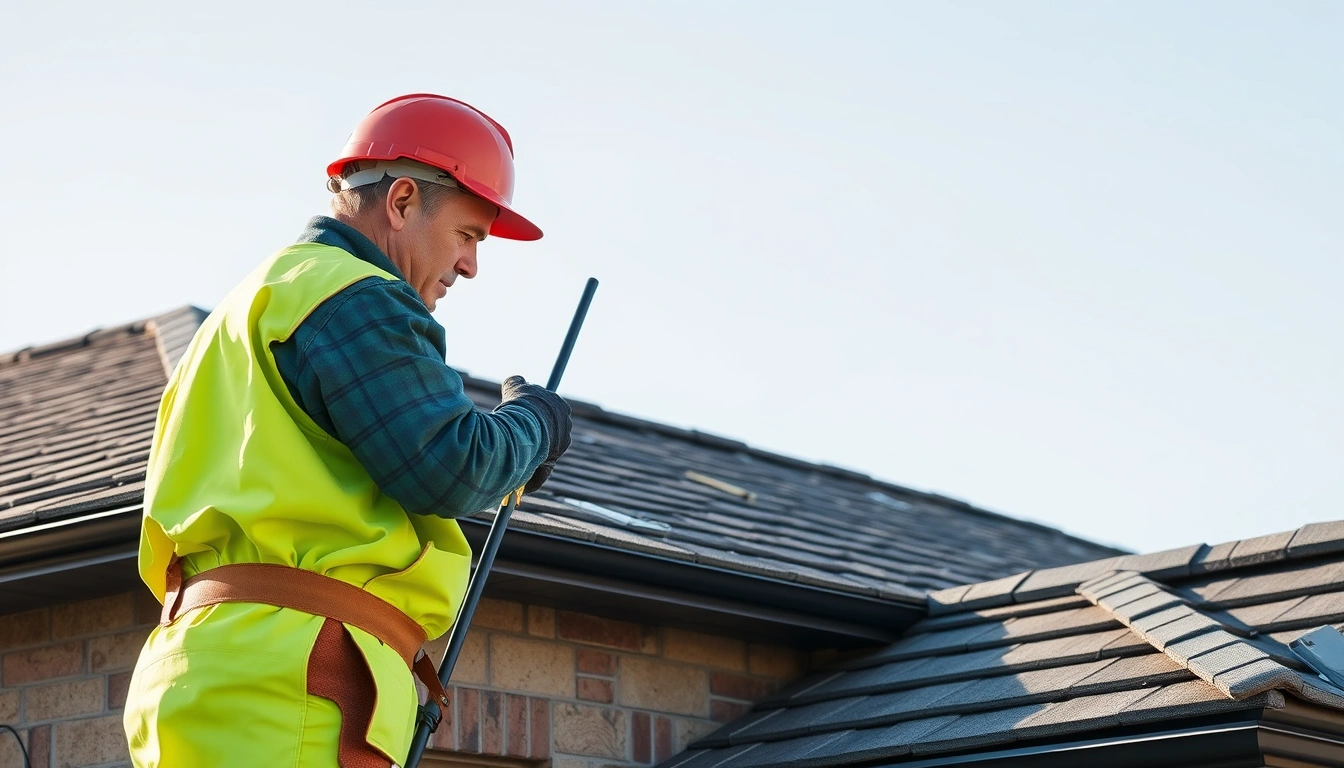
Why asphalt shingle repair is usually the best small fix
Asphalt shingle repair is usually the right small fix because it matches the most common Boise residential roof, keeps labor contained, and often restores weather protection without opening a larger section of the roof. When the shingles are the only failed part, replacing a few damaged pieces is smarter than chasing a cosmetic match across half the slope.
The part people miss is granule loss. A shingle can look intact from the street but still be too brittle or worn for a clean patch. If a roofer has to force tabs to fit, the repair is probably late or the roof is nearing broader replacement territory.
A good match is not just color. It is thickness, exposure, profile, and age. GAF Timberline shingles are common enough in Boise that many roofers can find a close visual match, but even then the repair should still be judged by drainage and fastening, not just appearance.
For a clean asphalt shingle repair, the replacement area should sit flat, the seal strip should bond in warm weather, and the cut edges should align with the surrounding pattern. If the roof is too cold for the seal strip to activate, a roofer should use a proper temporary fastening strategy and come back when conditions improve.
One practical rule: if the damaged area is isolated and the surrounding shingles are still flexible, repair makes sense. If the roof surface is curling, brittle, or losing granules across multiple slopes, the “repair” may only buy a short reprieve.
Why flashing repair is the detail that changes everything
Roof flashing repair matters more than most homeowners realize because flashing is where roofing meets the places water wants to enter. Chimneys, walls, skylights, valleys, and pipe boots all depend on metal or membrane details that direct water downhill. When flashing fails, the leak often looks random inside the house.
The visual test is simple: flashing should look like a water guide, not a decorative trim piece. It should lap over lower material, tuck under upper material, and avoid reverse edges that can catch runoff. If the metal is short, bent backward, or crusted over with sealant, the repair is suspect.
Common flashing failures in Boise homes
- Step flashing at side walls: small gaps let snowmelt slip behind shingles.
- Pipe boot failure: cracked rubber around vent pipes breaks after sun and cold.
- Chimney counterflashing issues: mortar joints and movement open seams over time.
- Valley wear: fast water flow scours granules and exposes the surface below.
In Boise, flashing repair gets harder after freeze-thaw because metal and sealants move at different rates. That movement can reopen a sloppy patch even if it looked watertight in August. The better repair uses compatible materials, correct overlap, and a clean path for water to leave the roof.
The cheapest flashing repair is the one that restores the original water path, not the one that adds the most caulk.
If your leak shows up only during snowmelt, suspect flashing before you suspect shingles. That pattern is classic in Ada County roofing work because water can sit behind snowpack for hours before moving into the roof assembly.
When should I call a roofer for a repair versus doing it myself in Boise?
Call a roofer when the roof is steep, wet, two stories up, or the leak involves flashing, underlayment, or an unknown source. Do it yourself only for low-risk fixes like replacing one or two obvious shingles on a low-slope section, and only if you can work safely from a stable ladder and dry surface.
DIY works best when the problem is visible, shallow, and small. It fails when the water path is hidden. That is why many Boise homeowners save money on the first repair and lose it on the second trip to fix the first mistake.
There is also a code and permit angle. Idaho DOPL treats repairs with less than 100 square feet of new roof covering as minor alterations exempt from full permit requirements, but that does not mean every repair is wise to DIY. It only means small scope can stay administrative-light if the work is done correctly.
Use this decision test
- Choose DIY if the damage is visible, dry, and limited to one or two shingles.
- Choose a roofer if the leak is near a wall, chimney, skylight, or valley.
- Choose a roofer if you see soft decking, sagging, or repeated interior staining.
- Choose a roofer if the roof pitch feels unsafe on first glance.
- Choose a roofer if you need a matching repair on older architectural shingles.
| Situation | Best move | Why |
|---|---|---|
| One cracked shingle on a low slope | DIY may be reasonable | Small, visible, and limited risk |
| Leak around chimney or skylight | Hire a roofer | Flashing layers need proper reconstruction |
| Wet attic insulation | Hire a roofer | Water has already moved past the outer layer |
| Icy roof or snow cover | Wait or hire a roofer | Fall risk is too high |
My rule is blunt: if you need to ask whether the job is too dangerous, it probably is. A roof repair Boise job is not a good place to improvise on a ladder after work, especially in a city where weather can shift from dry to slick in one afternoon.
Before vs. after: what good roof repair Boise actually looks like
Good roof repair Boise looks boring, and that is the point. The repair should blend into the roof plane, restore drainage, and leave no obvious path for water to return. Bad repair work tends to look shiny, heavy on sealant, or slightly lumpy where the roof should be smooth.
Before repair, you may see lifted shingles, rust lines, split seal strips, or dark staining near a penetration. After repair, those cues should disappear or be replaced by clean, even material transitions. The roof should not look “patched”; it should look whole.
What to look for in photos from the roofer
If a contractor sends before-and-after photos, zoom in on three things: the overlap direction, the nail placement, and the edge seal. If those three details are right, the repair is usually right. If the photo is too wide to show them, ask for a closer shot.
| Visual detail | Before | After |
|---|---|---|
| Shingle course | Curled, cracked, or shifted | Flat and aligned with surrounding rows |
| Flashing | Short, bent, or exposed | Overlapped correctly and tucked into place |
| Sealant use | Heavy smears and blobs | Minimal, targeted, and clean |
| Deck condition | Soft, dark, or swollen wood | Dry and structurally sound |
The most common mistake I have seen is a repair that fixes the surface but ignores the surrounding field. One bad course above the leak can send water sideways. One loose piece of flashing can undo a whole patch.
Here is the honest lesson: I once watched a homeowner reject a roofer because the first estimate seemed too high, then pay almost the same amount later after the leak spread into the soffit. The second bill came with extra drywall work. The repair itself did not get cheaper. Only the delay did.
Who does reliable roof repair in the Boise area and what should I expect?
Reliable roof repair in the Boise area usually comes from a contractor who inspects in person, photographs the failure, explains the repair path, and gives you a narrow scope instead of a vague promise. In Ada County roofing, good crews talk in terms of flashing, underlayment, slope, and water flow, not just “we’ll seal it up.”
Expect a real roofer to ask about attic symptoms, storm timing, and where the leak appears indoors. Expect a fair estimate to separate labor, materials, and any extra carpentry. If the company never mentions code, inspection timing, or permit limits, that is a sign to keep asking questions.
Boise has a lot of contractors, so the harder part is not finding one. It is sorting the crew that repairs leaks from the crew that mostly sells replacements. The best local fit for roof repair Boise is often a company that is comfortable saying, “This is a repair, not a replacement.”
A trustworthy Boise roofer should be able to explain why the leak happened, what layer failed, and how long the fix is expected to last in an Idaho freeze-thaw cycle.
Ask for photos, a written scope, and a timeline. If the crew says the repair can be done in one visit, that is common for small work. If they need a second visit after weather warms, that is also normal for certain sealants and shingle matches. Clarity beats speed.
Common Questions About roof repair Boise
How much does it cost to repair a roof in Boise, Idaho?
Most Boise roof repair cost estimates fall between $350 and $1,800 for common residential jobs. A single shingle patch is often a few hundred dollars, while flashing repairs and leak repairs that involve underlayment usually cost more because they take longer and expose hidden damage.
When should I call a roofer for a repair versus doing it myself in Boise?
Call a roofer for steep roofs, wet roofs, leaks near flashing, skylights, chimneys, or any sign of soft decking. DIY is only reasonable for a very small, visible repair on a low-slope roof, and only when the surface is dry and safe to reach.
Does Boise need a permit for a small roof repair?
Under Idaho state building rules, repairs involving less than 100 square feet of new roof covering are minor alterations exempt from full permit requirements. Larger sections, structural work, or repeated inspection stops can change the permit picture, so the scope should be confirmed before work starts.
Why does my roof leak only during snowmelt in Boise?
That pattern often points to flashing failure or ice dam behavior, not a simple shingle hole. Snowmelt can sit behind the roof edge, then move under shingles when temperatures swing. In Boise, the Idaho freeze-thaw cycle makes that leak pattern especially common.
How long does a small roof repair usually take in Boise?
A small repair can take 1 to 4 hours on site if the issue is simple and the weather is dry. If the roofer needs to open flashing, replace underlayment, or wait for better conditions, the job may take two visits instead of one.
What should I expect from a roof repair estimate in Ada County?
A solid estimate should name the failure point, the repair method, the materials used, and whether the work includes flashing or underlayment. In Ada County roofing, a useful quote is specific enough that you can compare it to another bid without guessing what is included.
- Most roof repair Boise jobs are cheaper than replacement, but only if the leak is caught before it reaches decking or insulation.
- Flashing repair is the most commonly misunderstood fix because the leak often appears far from the actual failure point.
- Under Idaho state building rules, less than 100 square feet of new roof covering is treated as a minor alteration exempt from full permit requirements.
- Boise weather punishes weak repairs, so the best fix is the one that restores drainage, not the one that uses the most sealant.
The Bottom Line
For roof repair Boise, the smart move in 2026 is to fix the smallest failure that actually solves the leak, not the cheapest-looking symptom. If the problem is isolated shingles, a clean asphalt shingle repair may be enough. If the leak points to flashing, chimney edges, or snowmelt, treat it as a water-path problem and not a surface patch.
Pick one thing from this article and try it this week: take three photos of the leak area from inside the house, from the attic if possible, and from the roof edge or ground view. That simple record makes the next estimate better, faster, and easier to compare.
Further reading: ac repair cost statistics omaha
Related: roof repair cost Boise
Further reading: repair or replace roof dothan
Related: how to choose a roofer Boise
Related: Boise roof repair statistics
Related: gutter repair Boise
Further reading: ac repair cost bellevue ne
Leave a Reply